
Ever notice how some soldiers seem nearly unstoppable when things get tough? Fitness training builds not only muscle but also mental strength (grit). When you push through a hard workout, each rep reminds you to stay steady, even on a chaotic field.
Doing exercises like push-ups and planks turns physical strain into lasting inner power. Think of your workout as a mission: every drill, every rep builds a resilient mindset, proving that your mental toughness grows step by step.
Fitness Fundamentals for Soldier Mental Toughness
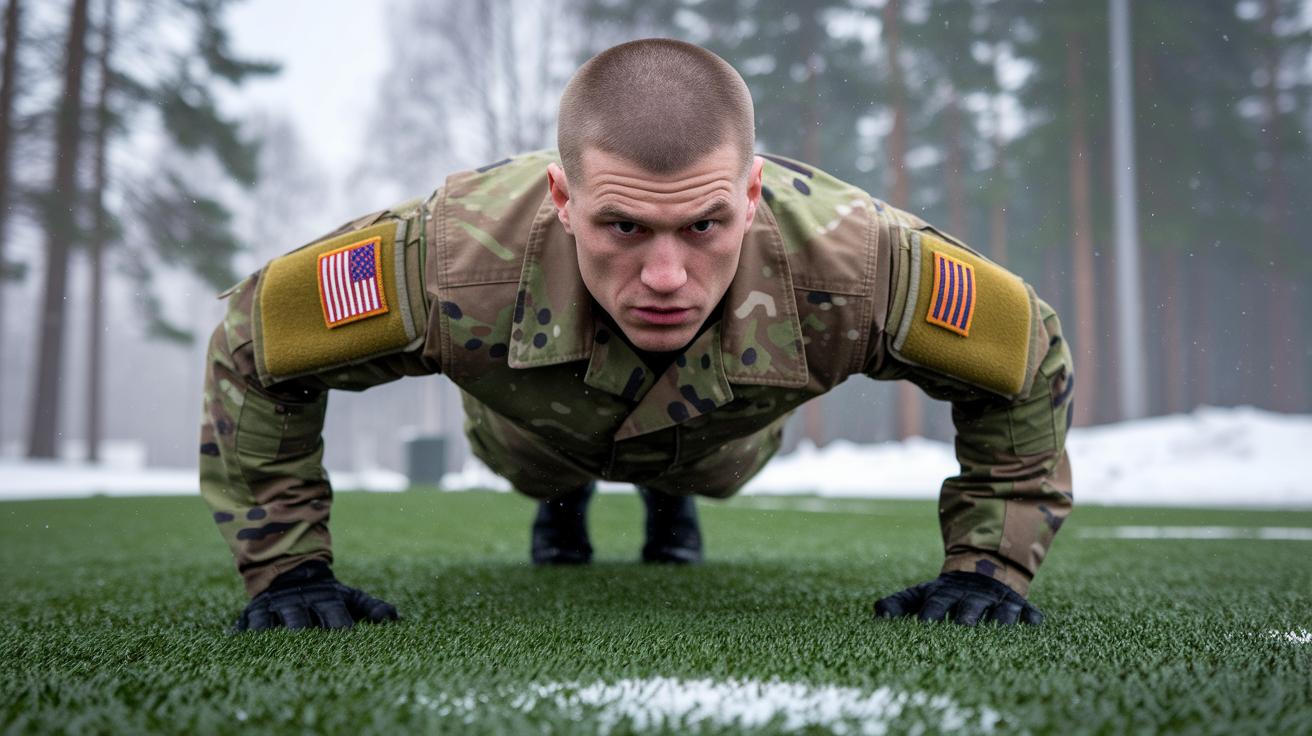
Mental toughness is about the inner strength that helps you push through both tough workouts and challenging missions. It keeps you focused and calm, even when things get really intense. Picture a soldier training outside in harsh weather; every rep, no matter how small, builds a stronger mindset.
You can see this toughness by sticking with daily exercise and disciplined routines. It means holding strong under pressure, whether during a long, grueling training session or in the middle of a hectic mission. Think of a soldier who starts his day with a few strong sets of push-ups and planks. Every move shows his commitment to building resilience.
Research tells us that hard, high-intensity workouts do more than just build physical strength. They also clear your mind and sharpen your focus. Soldiers who stick to structured routines, like timed circuits and resistance drills, often report better self-control and lower stress during missions. In truth, regular training transforms physical strain into mental grit. Every training challenge and every little improvement adds up, proving that tough workouts really prepare you to face and overcome adversity on the field.
Tactical Strength Workouts for Soldier Mental Toughness

Structured strength routines help build up both your muscles and your mindset. Exercises like push-ups, planks, and pull-up drills every minute (EMOM means doing a set at the start of every minute) deliver real gains. They work on your body while you build a toughness that lasts through any challenge. Each rep is like a small win that shapes your focus and determination.
A regular approach is to mix daily circuits of push-ups and planks with pull-up drills using the EMOM style. In this drill, you do 5 to 10 pull-ups at the start of every minute for a total of 5 to 10 minutes. This helps boost your upper-body strength and trains you to stay sharp even when tired. Picture yourself hanging on to the bar each minute, your focus growing stronger with every set. It’s a drill that turns fatigue into resolve.
Another effective session pairs wall sits with a squat routine followed by an overhead plate hold. Start with a wall sit lasting 5 to 10 minutes, doing 10 squats each minute to push your leg endurance. Then, wrap it up with a 10-minute overhead plate hold using a 45-pound weight (or something similar) to challenge your upper body and mental fortitude. This combo teaches you to hold steady under pressure, a vital skill when the situation gets tough. Every drill in this routine shows that steady, consistent workouts build both your physical power and your mental grit.
Mind-Body Endurance Practices to Boost Soldier Mental Toughness

Mindfulness (being aware of your feelings right now) helps you focus on what matters when time is short. It shows you how to stay in the moment, cutting through worries like a firm drill instructor quiets distractions during training. This clear focus helps you react quickly and think straight, even under heavy pressure.
Cognitive behavioral techniques (methods to change how you think about stress) team up with mindfulness to change your reactions to tough situations. They turn negative thoughts into clear, mission-ready plans. Think of it as resetting your mind to see obstacles as challenges to tackle, much like switching tactics when the mission changes.
At fitness sessions, practicing emotional regulation (keeping your feelings in check) is key for getting both your body and mind ready. Simple breathing exercises and mental run-throughs become part of your cool-down to lower stress and stay calm when it counts. For example, after a hard circuit, take a minute to focus on slow, deep breaths. This drill not only soothes your nerves but also sharpens your focus for the next round. It builds a mental toolkit that turns each physical strain into a step toward stronger mental toughness.
High-Intensity Circuit Drills Building Soldier Mental Toughness

These exercises go beyond standard tactical training by mixing specific timing and rest periods that add a fresh mental challenge.
• EMOM Pull-Up Routine: Do 5 to 10 pull-ups right at the start of each minute for 5 to 10 minutes. Picture this: before each short break, focus hard and pull yourself up like you owe it your next move.
• Wall Sit With Squats: Hold a wall sit for up to 10 minutes and add in 10 squats each minute. Take a quick, timed rest during each minute to keep your pace steady and your mind sharp.
• 10-Minute Overhead Hold: Grab a 45-pound weight and keep it lifted above your head continuously for 10 minutes. Imagine standing firm on a mission, every second of holding builds your focus under pressure.
Each drill pushes you to handle quick transitions and brief rests while challenging your muscle strength and mental focus. The EMOM routine demands speedy shifts and clear timing, the wall sit with squats teaches you to balance rest and action, and the overhead hold tests your ability to stay controlled when fatigue sets in.
Endurance Challenge Exercises to Fortify Soldier Mental Toughness

Soldiers toughen up their minds by starting with short, hard workouts and slowly moving to longer endurance challenges. These drills mimic the fatigue of combat, helping you get used to pushing through discomfort while building your stamina.
Start with short, controlled workouts like quick runs or timed ruck marches (a march carrying a weighted backpack) to build a strong base. Once you feel comfortable with the effort, push yourself a bit more by extending your run or adding extra weight to your pack. For instance, you might begin with a light pack on a 2-mile run and then work up to a longer, heavier ruck. Bit by bit, you're not just building muscle but also sharpening your mind, each session becomes a chance to rehearse mentally.
When things get tougher, adjust your workout by increasing the time, picking up the pace, or adding more weight. Think of it like training for a long mission: every extra minute or extra pound helps you deal with ongoing pressure. This gradual climb calls for discipline and self-awareness, slowly shaping your mindset to stay strong even when the going gets really tough.
Simulation-Based Training for Soldier Mental Toughness
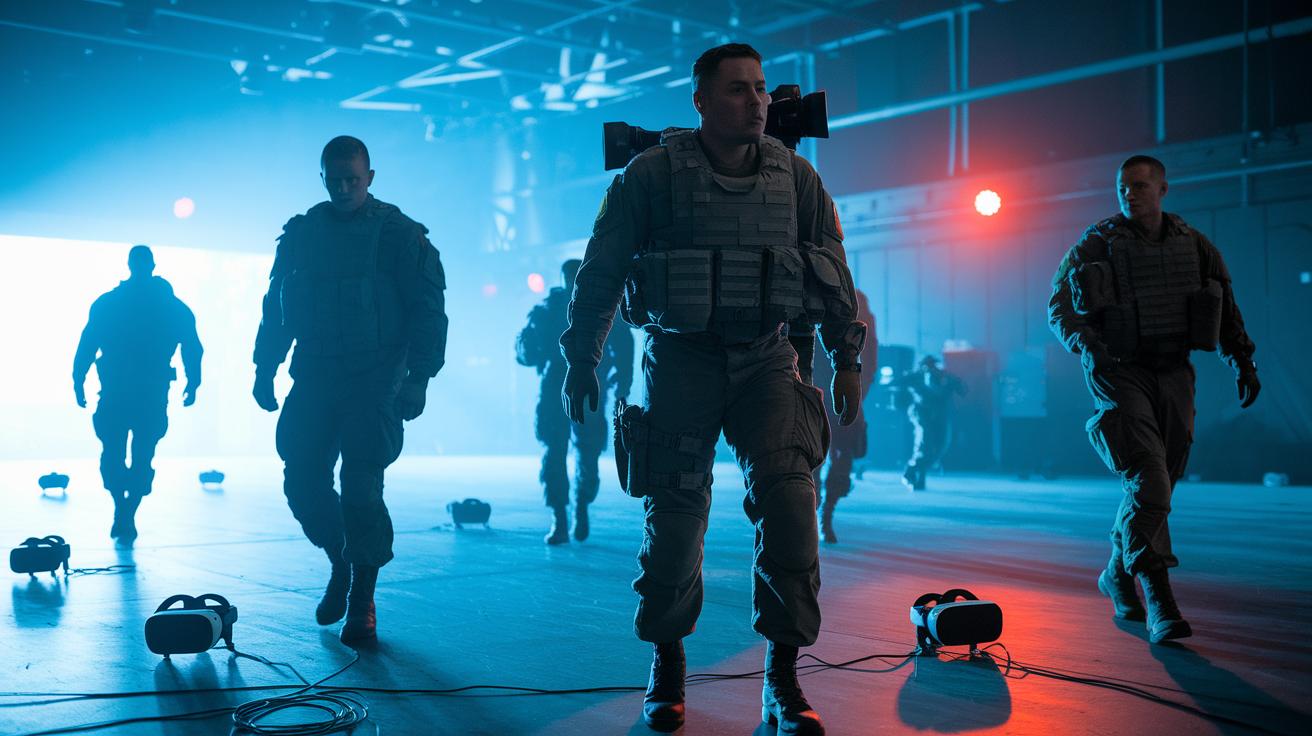
Stress Inoculation Training (SIT) puts soldiers in tough, controlled situations. They face loud sounds, strict deadlines, and staged threat scenarios. This method gets you comfortable with fear and sharpens your decision-making, kind of like practicing under pressure so every move counts when it matters most.
Modern simulation training uses virtual reality and smart, AI-driven lessons. These tools create real-looking combat scenes where unexpected challenges pop up. It feels like stepping into actual battle. The experience makes you think fast, adjust quickly, and build the kind of grit you need during high-stress missions.
| Training Module | Method | Psychological Benefit |
|---|---|---|
| SIT | Controlled exposure with noise, deadlines, and threat drills | Builds fear tolerance and quick decision-making |
| VR Combat Sims | Interactive scenarios using virtual reality tech | Boosts adaptability and situational awareness |
| Team Stress Drills | Group exercises with time-sensitive challenges | Enhances teamwork and leadership confidence |
| Mindfulness Integration | Rapid breathing and focus drills | Helps with keeping cool under pressure |
By combining these modules, simulation-based training readies soldiers both physically and mentally. The mix of real stress drills and modern tech keeps you alert and steady when unforeseen events crop up. Every session becomes a key rehearsal for the tough missions ahead, turning practice drills into a powerful way to build lasting resilience and determination.
Building Soldier Mental Toughness Through Discipline and Peer Support

When training gets tough, discipline wins over motivation. Even if you’re not in the mood, starting your workout builds a simple, daily habit that strengthens your body and mind. Showing up every day, even on early mornings when motivation is low, lets discipline take over.
Working out with your team creates a strong support system that makes every session count. When soldiers join together for workouts, cooldowns, or just a quick debrief, they build trust and boost more than just physical strength. Sharing tough drills and swapping ideas on how to manage stress keeps everyone on track. This peer support helps each soldier stick to the plan and push further than they thought possible. Every rep and every minute with your comrades builds a shared strength that reminds you no one trains alone. The trust formed during these moments becomes a key asset for handling high-pressure situations on the field.
Good leaders strengthen this system even more. Leaders who jump into workouts and offer simple tips to handle stress inspire the whole team to stay focused and disciplined. Their actions show that determination and mutual support are what truly build a resilient mindset in every soldier.
Future Fitness Innovations for Soldier Mental Toughness

Emerging neuroscience is opening up cool new ways to boost mental toughness. New brain imaging and data tools now offer a sort of personal stress map, showing soldiers exactly how their minds react when things heat up. Picture taking a quick test that checks your stress levels during a workout, much like a pilot reviews their gauges before takeoff. This science-based approach is paving the way for fitness programs that tune into your unique mental profile, helping you grow stronger both in the field and off duty.
Virtual reality mixed with smart AI is also changing the training game. These systems adjust challenges on the fly to match how you're doing in real time. Imagine stepping into a VR scenario where every move you make reshapes the experience. As unexpected obstacles come up, the AI fine-tunes the difficulty to keep you on your toes, just like handling sudden orders on the battlefield. It’s a training style that ramps up both your physical and mental readiness.
Wearable biofeedback devices are another breakthrough on the horizon. These gadgets keep an eye on your heart rate, breathing, and other stress signals to help guide your workout pace. For instance, if one of these devices notices you're pushing too hard, it might signal you to slow down, take deep breaths, or switch up your activity. By mixing this real-time feedback with plain coaching tips, future training plans will combine mental and physical drills to build all-around resilience, ensuring every soldier not only survives but excels under pressure.
Final Words
In the action, we explored core fitness techniques and tactical workouts that build mental discipline, covering everything from endurance challenges to peer support. We broke down how structured high-intensity drills and mind-body practices sharpen your psychological resilience. We also examined simulation-based training and future innovations that keep you ready for any mission. Keep pushing, knowing that soldier mental toughness through fitness training starts with a single determined step, and every workout brings you closer to peak performance and unwavering confidence.
FAQ
What are the top 10 hardest military training in the world?
The top 10 hardest military training exercises highlight rigorous drills that test endurance, agility, and mental resilience, preparing service members to meet extreme performance standards.
How hard is Army basic training for females?
The difficulty of Army basic training for females mirrors that of all recruits by challenging them with strict physical fitness demands, mental discipline, and a high level of determination.
What is Army University Press?
Army University Press is the military publishing branch that produces research, doctrine, and literature to support training improvements and share valuable insights with service members.
What are the 7 C’s of mental toughness?
The 7 C’s of mental toughness include commitment, concentration, control, confidence, challenge, consistency, and creativity, all of which help soldiers withstand high-pressure situations.
Does working out increase mental toughness?
Working out increases mental toughness by building physical strength and discipline, which sharpen focus, boost resilience, and prepare soldiers to handle stressful conditions.
What are the 4 C’s of mental toughness?
The 4 C’s of mental toughness emphasize control, commitment, challenge, and confidence, traits that equip soldiers to overcome obstacles and perform under demanding conditions.
Why did the army get rid of MRT?
The army removed MRT to replace older training methods with more modern programs that better address the evolving physical and mental conditioning needs of today’s service members.