
Ever notice how some recruits fly through tests while others stumble? Military exams can feel a lot like a live drill, with every question coming at you like a fresh order.
In this article, we share practical tips to sharpen your skills and build your confidence. We break down each test section, explain key strategies (simple steps to help you perform better), and offer advice that works like a well-rehearsed game plan.
Ready to face these challenges head-on and set yourself up for success? Let’s dive into the details that could really change your recruiting journey.
Strategic Blueprint for Acing Military Recruitment Tests

The ASVAB is a three-hour test full of multiple-choice questions that help align you with the best roles in the military. It is broken down into 10 smaller tests that fall into four main groups: math (Arithmetic Reasoning and Mathematics Knowledge), science/technical (General Science), verbal (Word Knowledge and Paragraph Comprehension), and spatial (Assembling Objects). This setup helps you see where your skills shine and where you might need a little extra practice.
The exam comes in two flavors: the computer adaptive testing version (CAT-ASVAB) and the traditional pen-and-paper method. In the CAT-ASVAB, each answer adjusts what comes next. Picture this like a series of drills, where each correct answer brings a tougher question, kind of like training for the real deal.
One key part of this process is the AFQT score. This score comes from just four of the subtests and is compared to a base group to see if you're ready to enlist. It’s the main measure that guides your next steps in training and career placement.
Here’s a quick breakdown:
| Test Area | What It Assesses |
|---|---|
| Math | Problem-solving and calculation skills |
| Science/Technical | Basic principles of physical and life sciences |
| Verbal | Understanding language and comprehension |
| Spatial | The ability to think in visual patterns |
For more in-depth details and to lay out your study plan, check out the military entrance exam guide at military entrance exam guide. This guide lays out clear, step-by-step strategies so you can feel ready and confident for every part of the test.
Effective Study Techniques and a Preparation Schedule for Military Recruitment Tests

Making sure you have a good study plan is key when you’re getting ready for military recruitment tests. Try setting aside one to two hours each day for main subjects like verbal, math, science, and spatial. A steady routine over several weeks builds your skills. For example, you might say, "I’ll use one hour to practice word problems and another hour to review science ideas."
Changing up your study spot can really boost your focus and keep fatigue at bay. Consider a quiet library or a cozy coffee shop next time you sit down to study. A fresh setting can keep your mind alert, much like a changing drill course that trains you in new ways.
Once a week, take a full-length practice exam. This not only shows you where you need extra work, like if Arithmetic Reasoning is tough, but also helps you see which sections take the longest. Adjust your study time accordingly, maybe spending about 60% of your review on those tricky parts.
Keep an eye on your progress by writing down your scores and noting improvements or ongoing challenges. Think of it like mapping out your strategy for a big drill, every bit of feedback helps fine-tune your approach. Visualize each study session as a step in your training, keeping your motivation high and steady.
Cognitive Drills to Boost Scores in Military Recruitment Tests

Getting ready for the ASVAB is all about practice and keeping your mind sharp. Timed quizzes that mimic the real test help you think quicker. Try a mini-quiz by solving a set of math problems in ten minutes. I used to second-guess my gut on test day, but after regular drills, I trust my first instincts much more.
Set up drills for each part of the test. For word knowledge and reading, make flashcards with definitions and synonyms, and do quick vocab reviews. Time yourself with practice questions to get used to answering fast. Group similar questions together to see common mistakes; jot them down and review until everything clicks.
For the math section, tackle problem sets in short bursts. Remember, the CAT-ASVAB doesn’t let you change answers once you pick them, so practice responding swiftly and confidently. Mix in puzzles and logic challenges to boost your critical thinking. Try setting aside some time each week to work on arithmetic and math problems under real test conditions.
These targeted drills help you fix weak spots and build trust in your instincts. With consistent practice, your focused exercises act like real training maneuvers that prime your mind for test day.
Building Physical Fitness to Pass Military Recruitment Tests

Getting fit is at the heart of nailing your military entry tests. Most tests require a timed run, usually 1.5 or 2 miles, plus sets of push-ups, sit-ups, and pull-ups or flexed-arm hangs. A smart approach is to alternate cardio days with strength and flexibility workouts, bumping up your workload by about 10% each week. For example, if you start with a steady 1.5-mile run, try pushing your pace a bit as your endurance grows.
Begin each workout with some simple warm-ups like leg swings and arm circles to get your muscles ready for the drill. Then, cool down with stretches. These moves help prevent injuries and speed up recovery. You might even want to mimic test-day conditions by doing a timed run followed right away by a set of push-ups. This drill builds your stamina and gets you used to switching tasks quickly.
Consider keeping a weekly log of your progress in a simple table or notebook. Consistent workouts and tracking your improvements are great ways to build the endurance you need when it really counts. Every bit of effort now sets you up for success on test day.
Time Management and Stress-Reduction on Military Recruitment Test Day
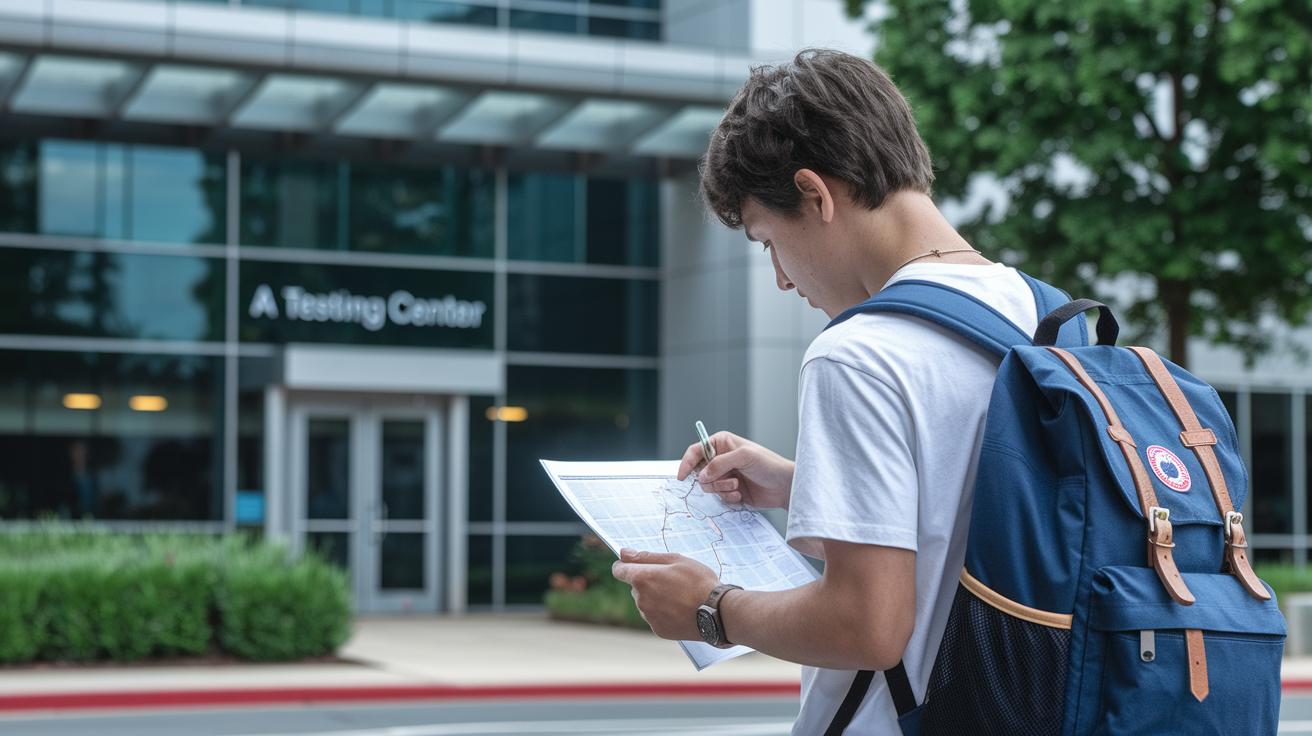
Getting to your testing center a full 30 minutes early is key. It stops any last-minute rush and keeps stress on the down-low. Don’t forget your valid ID so the check-in goes smoothly. Picture your route before you leave, it helps you feel ready and in control right from the start.
Fuel up with a light breakfast, like oatmeal with fruit or eggs with toast. This simple meal gives you steady energy to keep your focus sharp during the exam. It's like setting out on a mission with the right supplies.
When you're taking the test, try some deep-breathing or even a quick two-minute mindfulness break between sections. If you've practiced with sample tests, you'll know what to expect. That familiarity boosts your confidence, especially once the clock starts ticking.
Pace yourself through the test by keeping an eye on your time. A calm and well-prepared mind can flip nervous energy into clear action, just like turning a challenge into a win on the field.
Stick to your plan but stay flexible if surprises pop up. Regular practice and small mindful pauses can really help keep test-day jitters at bay.
Nutrition, Sleep, and Healthy Habits for Military Recruitment Test Success

Try to get 7–9 hours of good sleep every night. A solid night’s rest boosts your memory and steadies your mindset, much like a soldier prepped for inspection. Have you ever noticed how refreshed you feel after a night of proper sleep?
Fuel your study time with meals that include complex carbs, lean proteins, and healthy fats. Think of these foods as essential supplies, they give you a steady energy boost and help keep your blood sugar in balance during long sessions. It’s like packing the right gear for a long training run.
Keep yourself well-hydrated by drinking at least half your body weight in ounces of water every day. Staying hydrated fights off fatigue and keeps your focus sharp, just as well-oiled equipment runs smoothly in the field.
And remember, plan for one rest day each week. Giving your muscles and mind a break lets you recover fully, so you’re ready for the next drill.
Leveraging Practice Exams for Military Recruitment Test Analysis

Every week, take a full-length practice test. This is your chance to experience real exam conditions with strict time limits and the actual style of questions you’ll get on test day. Picture yourself setting a timer, just like on the big day, and working steadily through the entire ASVAB. It’s all about building speed and accuracy.
Write down every mistake you make and sort them by type. For example, if you keep missing spatial reasoning questions, note those specific errors and spend some time reviewing them. This way, you can see patterns and fix recurring issues.
Keep a log of your scores and compare them to your target AFQT percentiles. This self-check tells you when to adjust your study plan. If your math accuracy is behind, put in a little extra practice until you feel more confident. These score comparisons help point out exactly which topics need more work.
Remember, the official retake timing rules mean you have time to sharpen your skills. After each practice exam, take a short debrief session to fine-tune your study and training plans, turning weak spots into strengths.
Final Words
In the action, we reviewed study techniques, fitness routines, cognitive drills, and stress reduction tactics tailored for your test day. We broke down the test layout and practice strategies step-by-step. These sections work together to boost both your mental and physical readiness. Stay sharp, follow the plan, and use valuable tips for acing military recruitment tests to keep advancing confidently.
FAQ
What does an ASVAB practice test offer?
An ASVAB practice test offers sample questions under timed conditions, guiding your study by revealing strengths and weaknesses across the exam’s diverse subject areas.
What do ASVAB test questions and answers provide?
ASVAB test questions and answers provide examples from math, science, and verbal sections, helping you become familiar with the exam format and target your study effectively.
What do ASVAB test scores indicate?
ASVAB test scores indicate your performance in various subject areas and help determine which military roles match your skills based on composite scoring.
What does the ASVAB test Army include?
The Army’s ASVAB test includes multiple subtests such as arithmetic reasoning and word knowledge designed to match your abilities with the best suited military job.
What does taking the ASVAB test online entail?
Taking the ASVAB test online entails using a computerized format that replicates adaptive testing conditions, providing instant feedback that helps guide your preparation.
What is the ASVAB test in high school?
The ASVAB test in high school helps students discover their strengths early, providing insight into both academic skills and potential military career paths.
How do I find ASVAB testing near me?
You can locate ASVAB testing near you by checking with local military entrance offices or conducting an online search for nearby test centers and their schedules.
What does the Army ASVAB practice test focus on?
The Army ASVAB practice test focuses on core areas like arithmetic reasoning and word knowledge, allowing you to build confidence and improve skills before the official exam.
Is a 70 on the ASVAB considered difficult?
Scoring a 70 on the ASVAB shows strong performance, indicating you are well above the average; the challenge depends on your targeted military role and its score requirements.
How do I pass the military aptitude test?
Passing the military aptitude test means adopting regular study habits, taking practice tests, and actively reviewing strategies to improve your speed and accuracy across all sections.
How rare is a 99 score on the ASVAB?
A 99 on the ASVAB is very rare and reflects exceptional ability, marking you as highly capable in the test’s various subjects and favorable for advanced military roles.
Is a 21 ASVAB score bad?
A score of 21 on the ASVAB is low and may restrict your military job options, signaling that further study and practice are needed to boost your performance.