
Pete Hegseth makes a lot of sensible points about military readiness, but when it comes to boot camp I disagree — specifically about hazing. My own experience wasn’t a productive crucible that created competence; it was a haze fest that left me emaciated, jumpy, and basically clueless. The hardest things weren’t obstacle courses or PT; it was endless, pointless games where recruits were punished for no reason — not for failing at a skill but for being humiliated. Two months of focused basic instruction on marching, uniform care, weapons handling, and leadership would have created a motivated Marine. Instead I left hollow, wondering what the whole point had been.
Why I Disagree with Pete Hegseth on Boot Camp Hazing
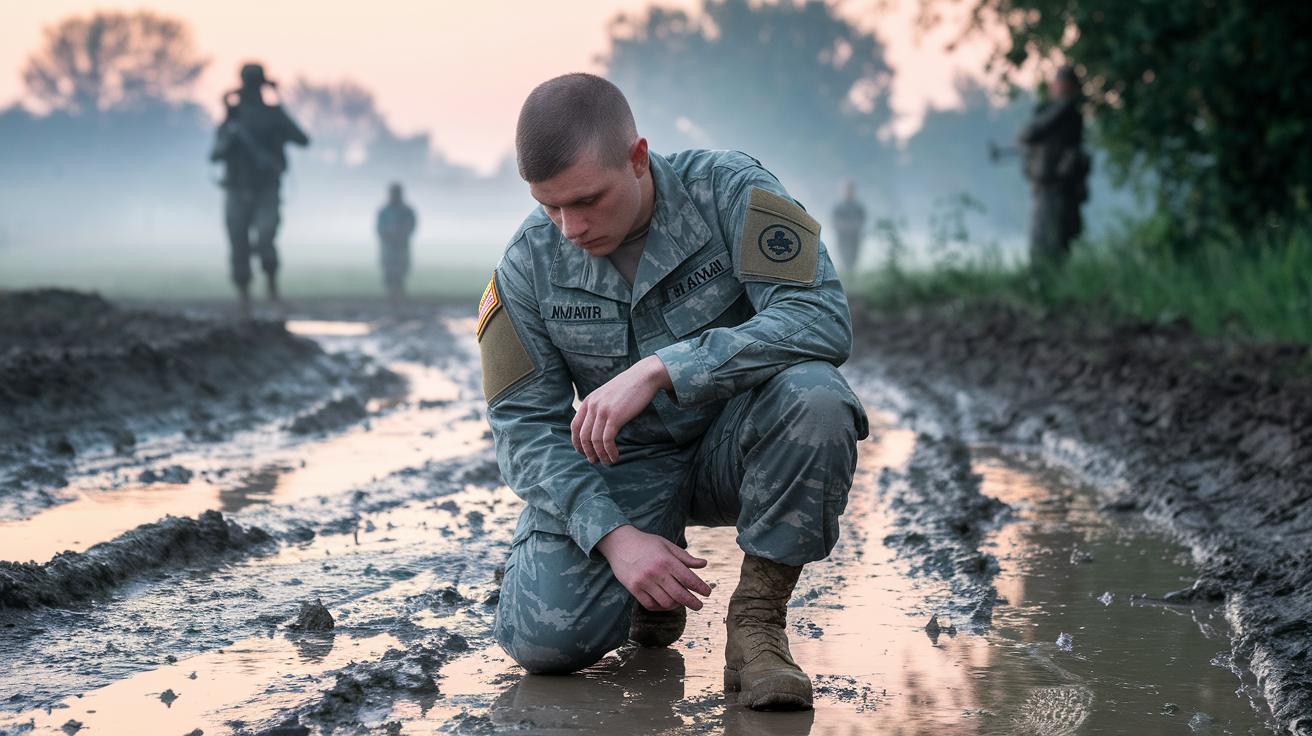
Pete Hegseth makes a lot of sensible points about military readiness, but when it comes to boot camp I disagree , specifically about hazing. My own experience wasn’t a productive crucible that created competence; it was a haze fest that left me emaciated, jumpy, and basically clueless. The hardest things weren’t obstacle courses or PT; it was endless, pointless games where recruits were punished for no reason , not for failing at a skill but for being humiliated. Two months of focused basic instruction on marching, uniform care, weapons handling, and leadership would have created a motivated Marine. Instead I left hollow, wondering what the whole point had been.
I Mostly Agree , This Was One Thing That Stuck Out

I literally agree with everything else immensely, so I’m not trying to trash the broader argument , this was legitimately the one boot camp issue that stuck out. Even in a long thread full of useful critiques and good-faith proposals, the hazing problem felt different: it wasn’t an abstract policy failure so much as a cultural practice embedded into training days. That matters because a single corrosive habit can offset many good changes. Fix the hazing and other reforms will land with far more force. That’s why I keep returning to this narrow complaint even as I echo most of the other points.
Two Words: "That Sucks" , The Emotional Fallout of Pointless Abuse
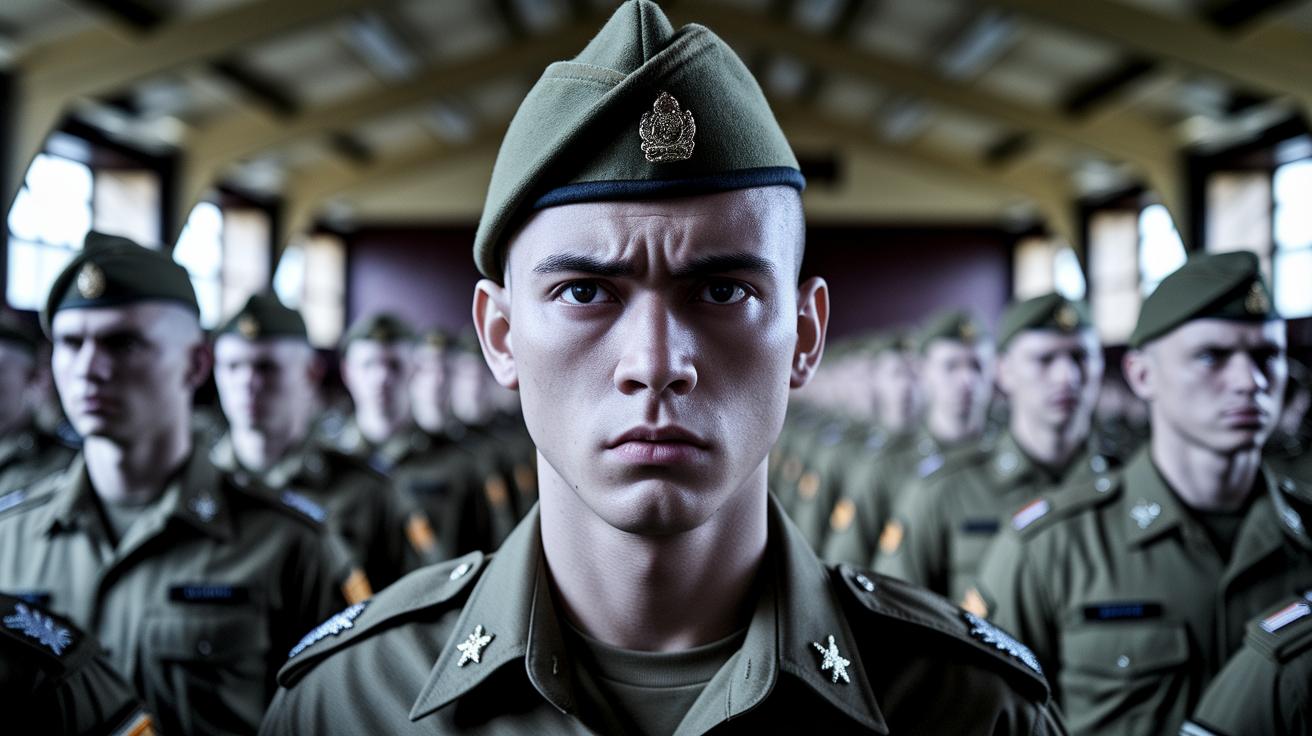
A short reply like 'That sucks' nails the emotional side of it. Beyond muscle soreness or exhaustion, pointless hazing breeds shame, anxiety, and mistrust. Recruits singled out for arbitrary punishments often internalize failure rather than learning anything useful. That emotional fallout doesn’t vanish after graduation; it can undermine confidence, unit cohesion, and mental health down the road. Addressing that 'sucks' means creating a learning environment where consequences are proportional and directly tied to performance and where instructors build competence without humiliating trainees for sport.
The Whole Thing Needs an Overhaul

When someone says 'the whole thing needs an overhaul' they’re not being hyperbolic. Boot camp culture and curriculum can and should be modernized. Overhaul means clear learning objectives, progressive skill-building, and assessments that demonstrate recruits can actually do required tasks. It also means rooting out rituals that teach obedience through humiliation rather than mastery. Replace arbitrary punishments with corrective instruction, add classroom time on tactics and weapons fundamentals, and use scenario training to teach decision-making under stress. The aim: graduates who are technically competent, mentally prepared, and mission-ready.
Firm Discipline Isn't the Same as Hazing

I understand and support firm discipline , it’s essential. But discipline doesn’t have to look like amateurish hazing. Professional training emphasizes purpose and fairness: why you’re correcting someone, what the lesson is, and how improvement will be measured. Treating recruits like learners who can be coached and tested produces far better outcomes than random degradation. I’m not arguing against strict standards; I’m arguing against the idea that humiliation substitutes for instruction. Model professionalism, make corrective actions educational, and recruits become capable and confident rather than just compliant and broken.
Strict Discipline Is Fine , Hazing for Its Own Sake Isn’t

Agreeing with strict discipline doesn’t mean accepting hazing. Discipline can be rigorous and demanding while remaining mission-focused. The issue I keep circling back to is that a lot of what I endured was punishment for punishment’s sake: repetitive smokes, arbitrary games, and unpredictable shaming that taught grudging compliance rather than competence. Effective discipline links consequence to performance and includes remediation that builds the needed skill. If someone falters on marksmanship or drill, use corrective action that trains those exact skills instead of amplifying misery.
Training Should Sharpen Skills , Not Hollow Recruits or Waste Taxpayer Money

Call it a myopic take, but think about specialized courses: you send someone away expecting measurable improvement , sharper skills, better judgment, more readiness. Boot camp should do that too. Instead I saw recruits come back with stories about endless running, meaningless punishments, and little real improvement. That’s not just bad for individuals; it’s a waste of time and taxpayer dollars. Professionalism is measured by how effectively recruits are turned into capable service members, not how much humiliation they can endure. Insist training produces measurable readiness, not just toughness theater.
2009 Anecdote: "No Hands on Private" Wasn’t a Rule Where I Was

I went through in 2009 and the phrase 'no hands on private' felt like a myth , physical grabs, hands-on corrections, and rough handling were part of the mix. That shows how policy and practice can diverge: even if higher headquarters issues guidance against abusive techniques, culture and enforcement vary widely. Real reform must bridge that gap with clear, enforceable policies, instruction for drill instructors on permissible techniques, and genuine accountability when lines are crossed. Without that, old behaviors just cycle through new classes of recruits.
Teach Us to Shoot Straight , Competence, Not Fear
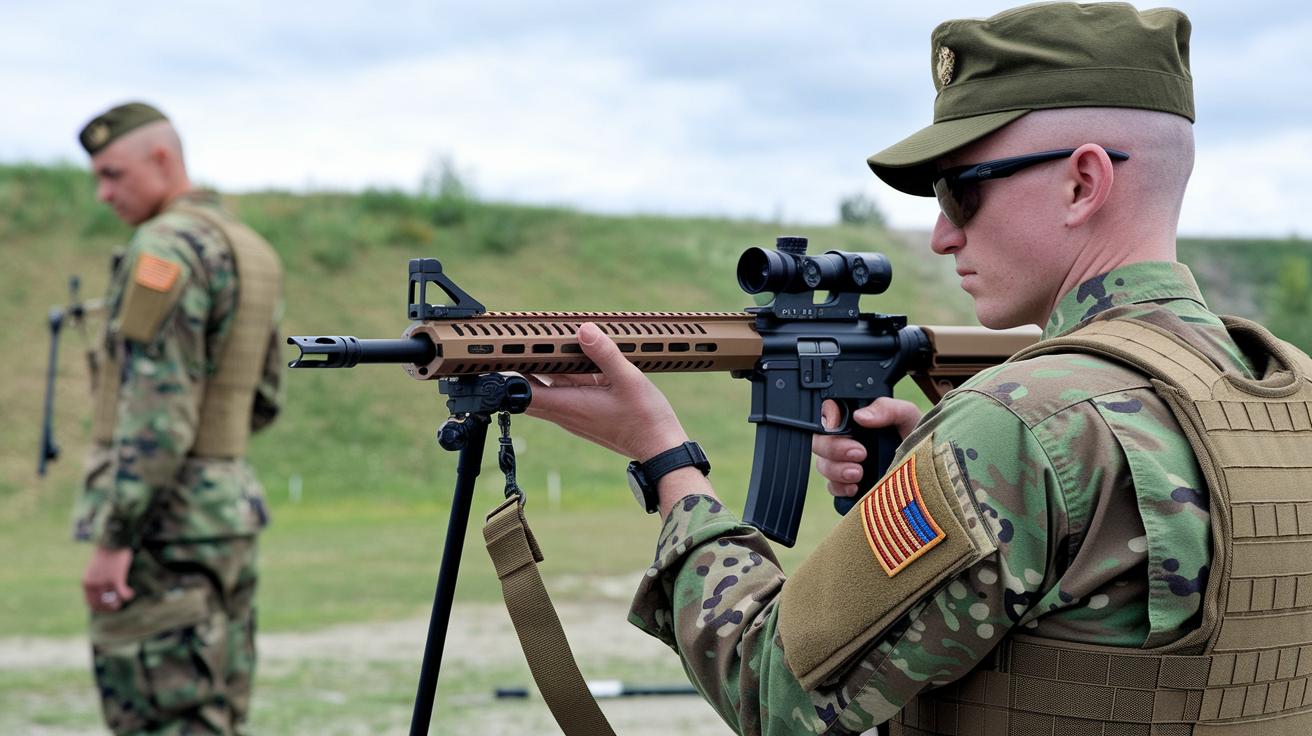
I’m not anti-discipline; I want discipline that breeds competence. I want to know how to fire my rifle, move with confidence, and walk around without being terrified of every mistake. Fear is not the same as readiness. Proper marksmanship, weapons handling, situational awareness, and leadership training give recruits confidence , that’s the goal. Replace arbitrary punishment with repetitive, measurable drills that build and test skill under stress. Professional training creates confidence through mastery, not humiliation, and that’s the kind of outcome worth demanding from boot camp.