
Pods and jury-rigged cans hung beneath fighter wings weren't just fuel tanks — they became impromptu vending machines, ambulances and even weapons of mischief. A viral Twitter thread highlighted four of the oddest field mods: ice-cream churns made from ammo cans on F4 Corsairs in the Pacific, beer kegs ferried into France after D‑Day, drop-tank stretchers used by Spitfires and P‑38s, and a brazen 'toilet bomb' prank put on an A‑1 Skyraider during Vietnam operations. These tales show wartime inventiveness, morale-driven ingenuity, and the thin line between clever and dangerous improvisation.
Underwing Oddities: Why pilots hung the strangest pods
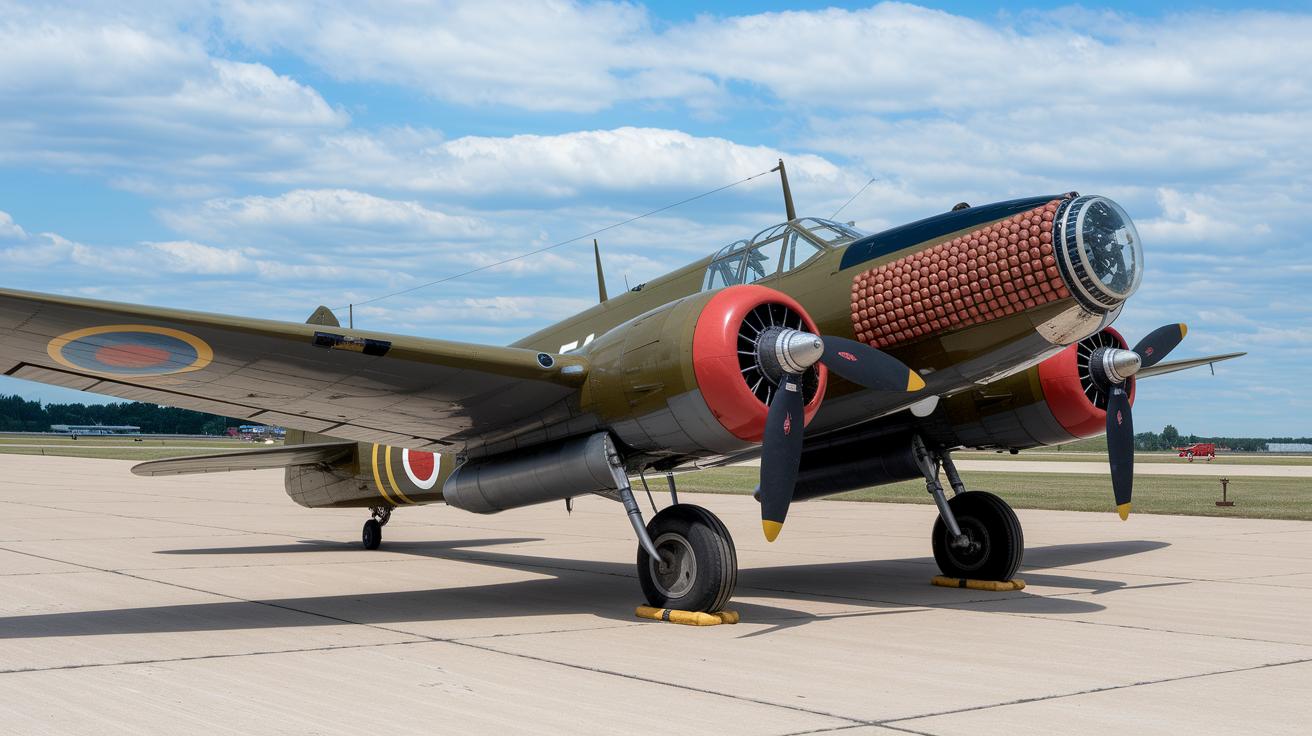
From improvised ice-cream churns to beer kegs and stretchers, aircraft have carried more than fuel and bombs. In a popular Twitter thread, an aviation enthusiast highlighted four standout examples of field improvisation: Marines in the Pacific turned ammo cans into churns to make ice cream at 33,000 feet; British fighters ferried beer kegs into post‑D‑Day France; modified drop tanks became stretchers for Spitfires and P‑38s; and a cheeky toilet mounted on an A‑1 Skyraider was dropped as a prank during Vietnam operations. These stories show a mix of ingenuity, morale‑boosting, and risk‑taking that defined life at the sharp end.
Ice Cream in the Sky: F-4 Corsairs & Ammo-Can Churns
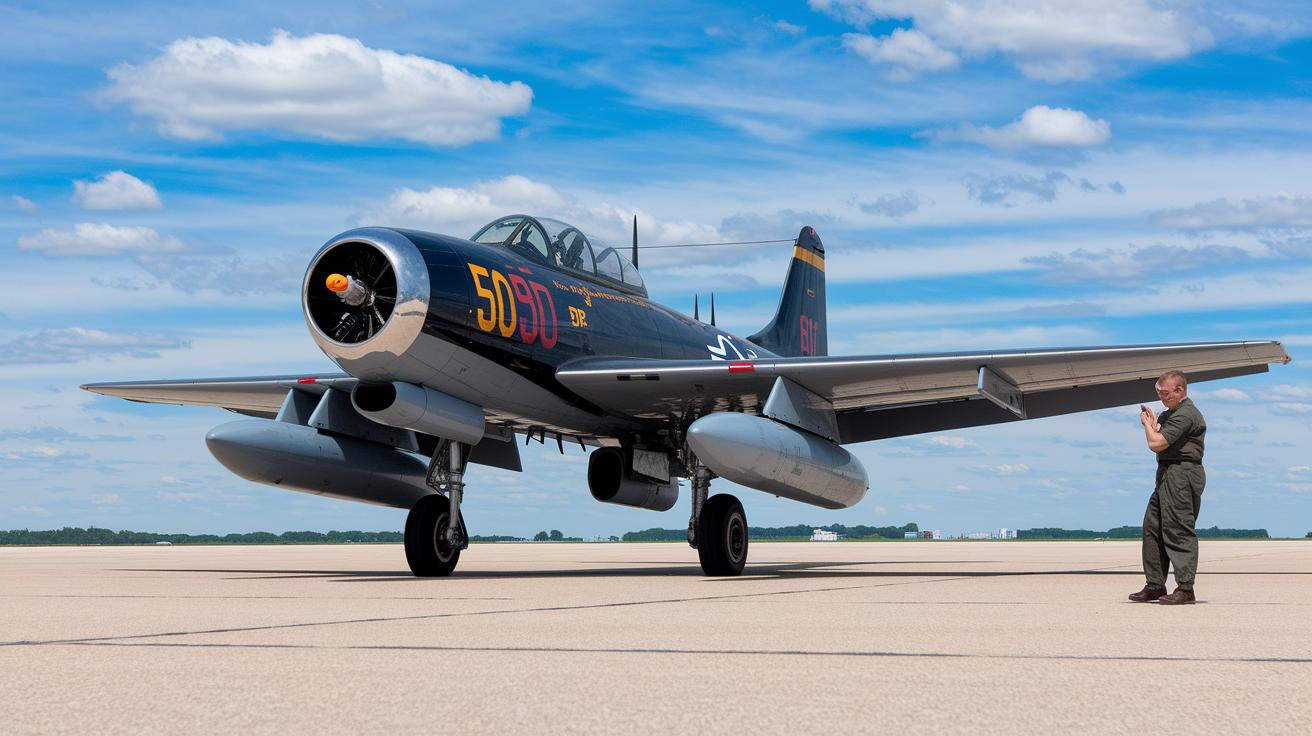
During WWII’s Pacific campaign, resourceful Marines fashioned ice-cream churns from ammo cans , a propeller-driven front that turned internal screws , and mounted them under F‑4 Corsair wings. Packed with canned milk and cocoa powder, crews flew high above anti-aircraft reach, reportedly up to 33,000 feet, where naturally freezing temperatures completed the churning. The result was fresh chocolate ice cream distributed to hundreds of crewmen on the ground, a heartwarming example of field ingenuity. While some details vary between accounts, multiple sources confirm pilots and ground crews used the cold of altitude as a free refrigerator.
Beer Kegs on Fighters: A Morale Mission After D-Day
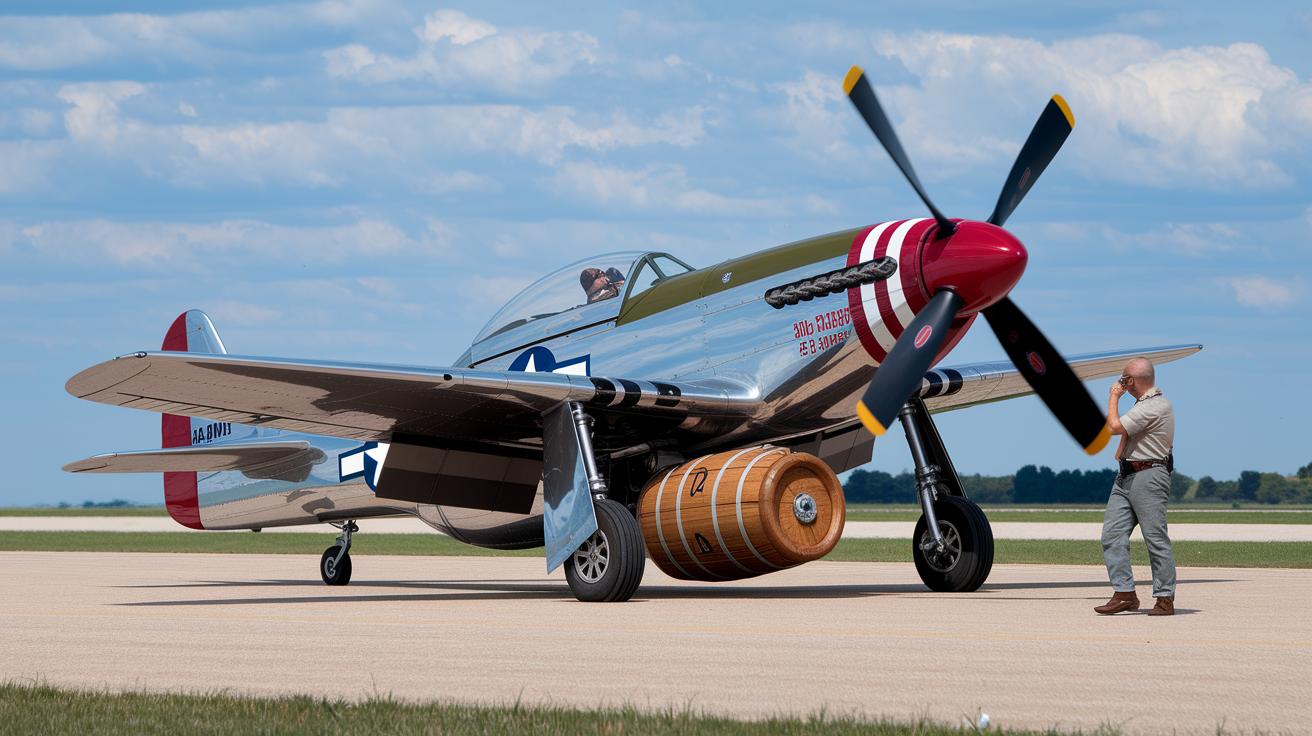
In the weeks after D‑Day, British troops in France craved comforts that supply lines couldn't immediately deliver , beer among them. Crews began mounting wooden kegs under fighters or cleaning drop tanks to carry liquid beer forward. Pilots landed on forward strips to swap the cargo rather than dropping cans, which would have been disrespectful and wasteful. The improvisation was largely unofficial; it simply happened because someone found a workable method. Americans soon adopted the idea too, with P‑51s famously used to ferry precious kegs across the Channel. These missions illustrate the lengths crews went to keep morale high.
Drop-Tank Stretchers: Fighters as Emergency Ambulances
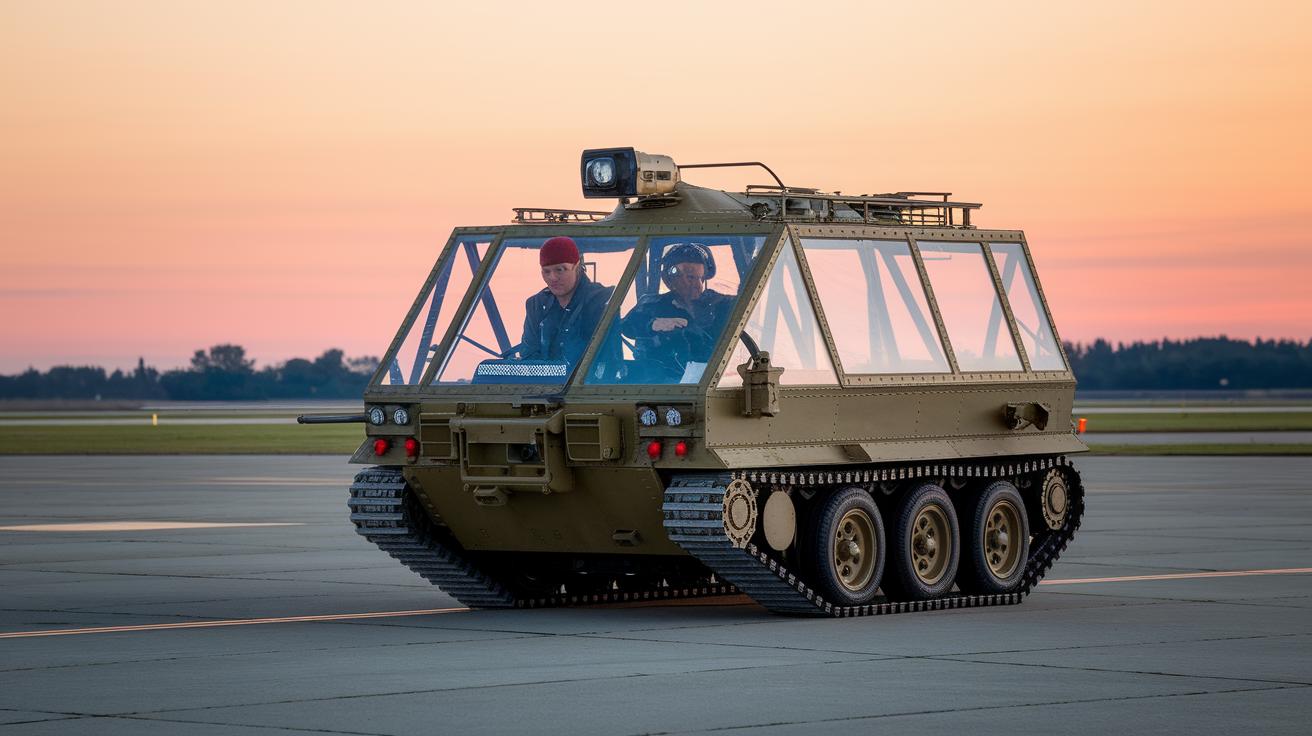
When speed mattered more than comfort, aviators converted auxiliary fuel tanks into emergency transport pods. The British adapted Spitfire drop tanks and the U.S. modified P‑38 tanks to fit a stretcher and a patient, often with a plexiglass nose so the occupant could breathe and see. Several tanks could be mounted at once, offering a fast , if cramped , way to evacuate wounded from frontline areas. The concept provided quick wins but never became standard: limited space, life-support needs, and aerodynamic penalties meant larger, purpose-built transports stayed the preferred medevac option as logistics improved.
The 'Toilet Bomb': Carrier Prank Almost Beyond Belief
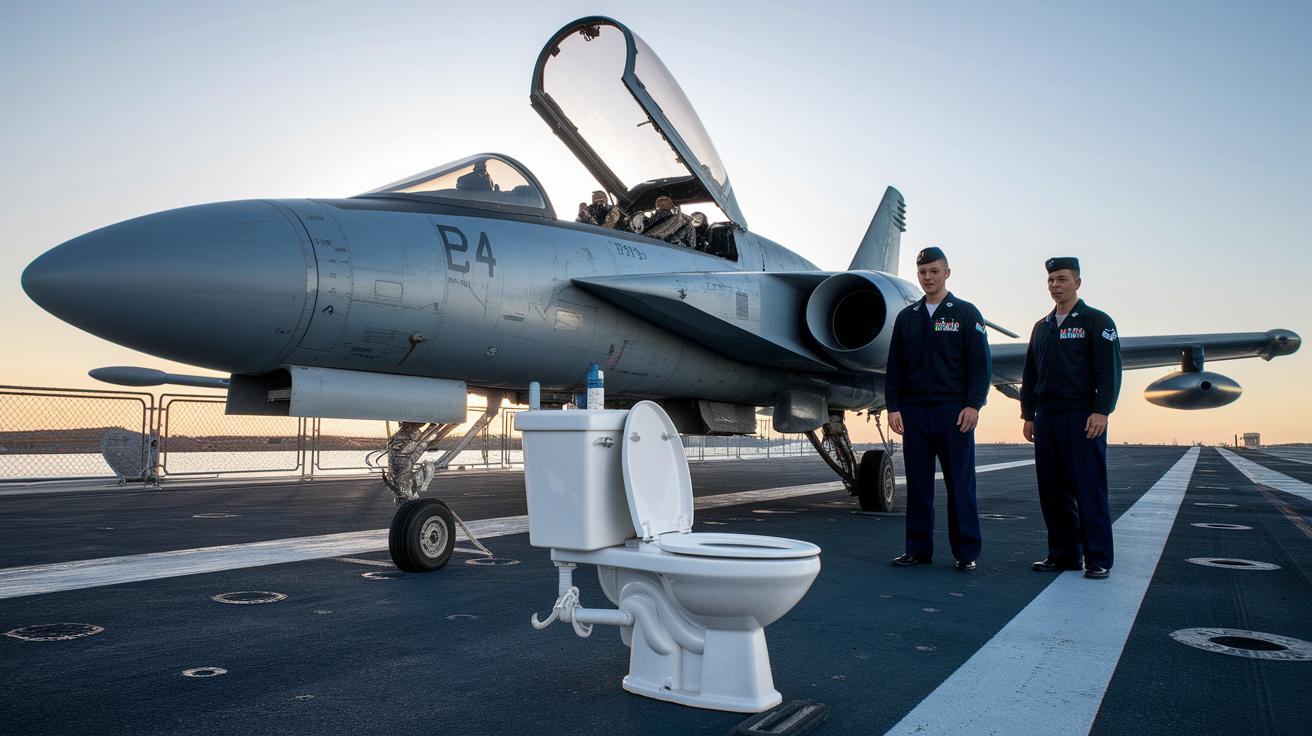
On a carrier supporting Vietnam operations, sailors rescued a broken toilet scheduled for disposal, rigged fins and mounts, and attached it to an A‑1 Skyraider as a gag weapon. Command apparently discovered the unauthorized payload only after it had been released. The episode is as much a cautionary tale as it is a laugh , any untested external store can affect airflow, ricochet into control surfaces, or otherwise endanger the aircraft. It underscores how creative mischief sometimes collided with real flight-test and safety concerns, and how close a prank can come to catastrophe.
Science Pods: NOAA, NASA & the Serious Side of Underwing Gear
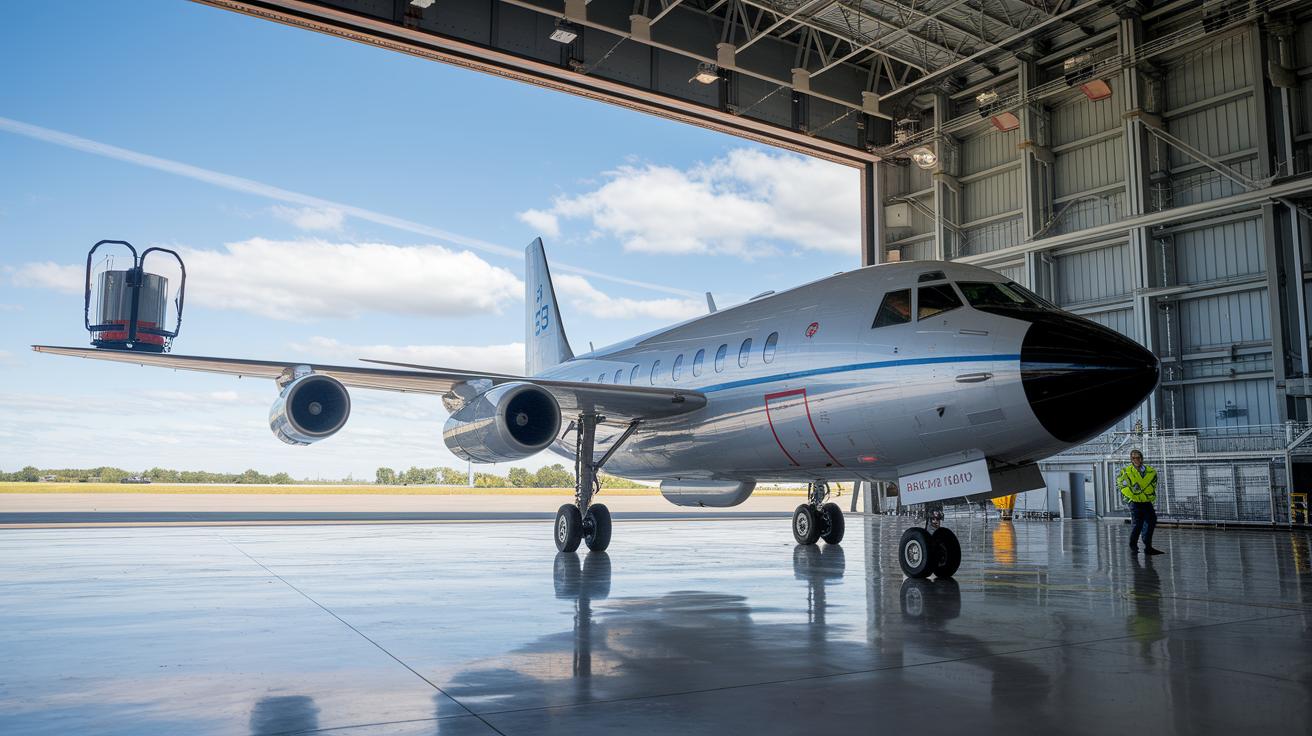
Not all pods are whimsical. Agencies like NOAA and NASA regularly mount purpose-built pods for atmospheric sampling, remote sensing, and hurricane reconnaissance. Aircraft including the NOAA P‑3 Orion, NASA ER‑2 and modified military platforms carry aerosol samplers, radiometers, dropsonde dispensers and other sensor suites that collect data on storms, pollution and stratospheric chemistry. These pods are engineered for airflow, filtration and telemetry , the flip side of improvisation shows aircraft as versatile platforms for both human comfort and scientific discovery.
Rogue Creativity vs. Red Tape: Why Some Mods Stick and Others Don't
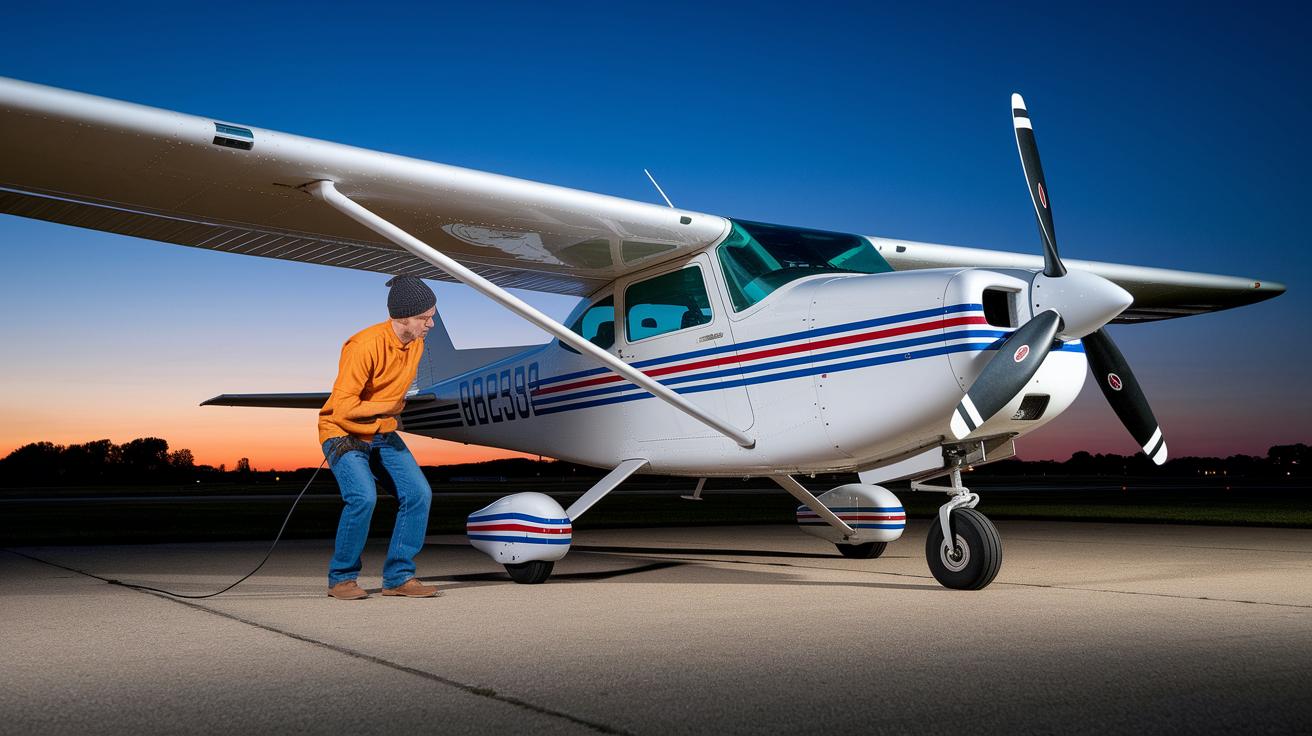
Field improvisation thrives where need, boredom or morale intersect. Many of the odd underwing mods were ad-hoc, lacking formal approval, which earned crews both grins and reprimands. The risks were tangible: altered handling, interference with control surfaces, or debris striking the airframe. Command's reaction could range from bemused tolerance to strict grounding. These tales celebrate ingenuity while reminding readers that aviation is unforgiving , the same inventiveness that delivers ice cream and beer can also jeopardize lives if it ignores aerodynamics, testing and safety protocols.