
“There is no more ‘I’.” That blunt line captures the core of Marine Corps recruit training. You don’t simply join the Marines — you become one. Over roughly 12 intense weeks, recruits are stripped of civilian comforts and re-forged through discipline, sweat, and centuries of tradition. From early inspections to firearms ranges, water survival, martial arts and the final Crucible, the process shapes physical ability and a shared identity. This piece breaks down the key phases of boot camp so you can see how flesh becomes steel and civilians transform into Marines.
Boot Camp Begins: Where 'I' Becomes 'We'

Boot camp starts the instant a recruit steps off the bus at MCRD Parris Island or San Diego. Receiving day looks logistical , paperwork, gear issue, and the first haircut , but it’s also a psychological reset. Personal items are set aside, civilians adopt a collective identity, and names give way to squad and platoon roles. Drill instructors impose strict routine and attention to detail to instill discipline. Recruits learn fast that personal preferences come second to unit cohesion. This early shock is purposeful: it breaks down the ‘I’ so the ‘we’ can be built.
Forming the Body: PT, Conditioning, and Obstacles
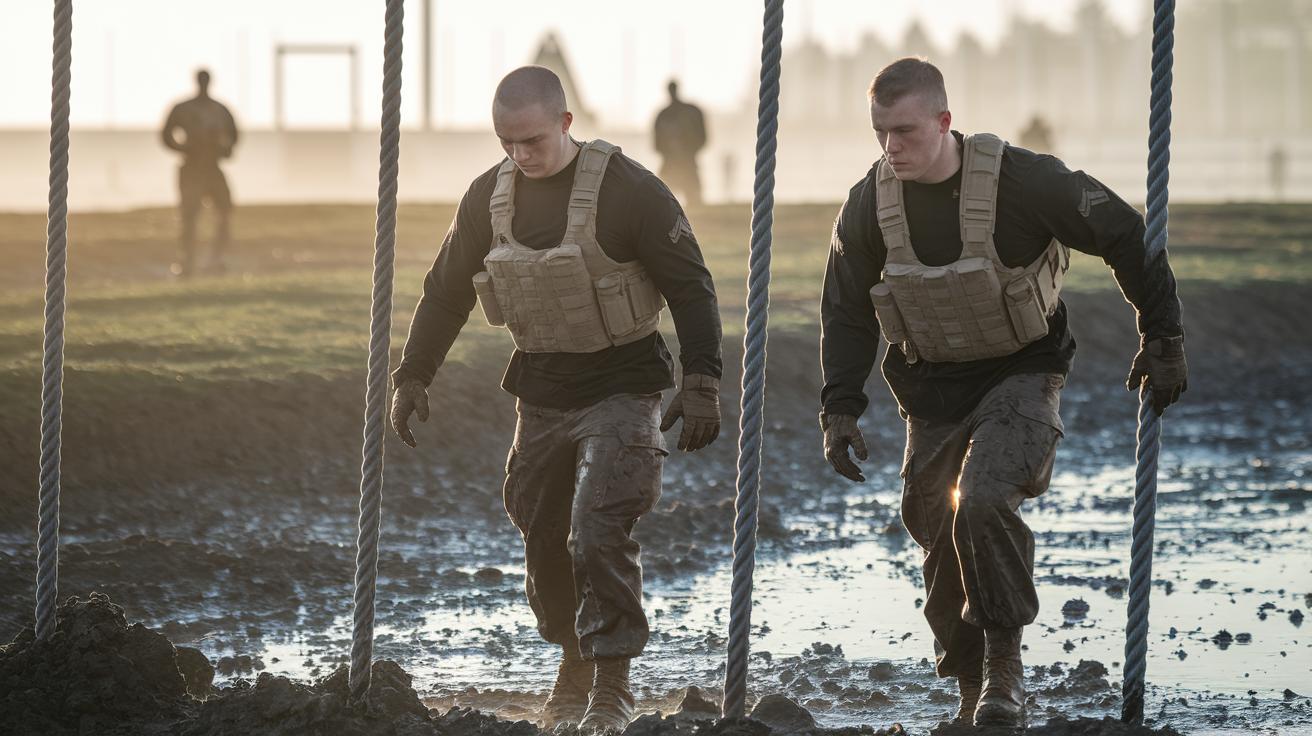
Daily physical training is the backbone of recruit life. PT combines calisthenics, timed runs, ruck marches and obstacle courses to rapidly build endurance, strength and resilience. Conditioning sessions are progressive and geared to improve recruits regardless of baseline fitness, while instructors teach movement techniques and recovery to minimize injuries. Many evolutions require teammates to carry or support one another, so physical grind becomes a lesson in interdependence. Early mornings, sore muscles and repeated drills are uncomfortable by design , they produce the physical foundation and shared confidence every Marine needs.
Rifle Training: Marksmanship, Safety, and Confidence

Marksmanship is central to the Marine identity. Recruits begin with dry-fire drills and weapons handling fundamentals before moving to live-fire ranges. Training covers safety, maintenance, zeroing the rifle and firing under stress. Instructors reinforce trigger discipline, sight picture and breathing control , habits that matter far beyond target practice. Mastering the rifle builds technical competence and trust in one’s equipment and teammates. For many, going from an untrained civilian to a capable rifleman is a milestone proving they can assume a lethal and responsible role within the unit.
Water Survival and Confidence: Earning Your Stripes in the Pool

Water survival training forces recruits to perform while tired and uncomfortable. Pool sessions and surf training teach basic strokes, flotation techniques, and buddy rescues. Recruits practice swim qualification and stress drills that simulate fatigue and panic in maritime environments. The goal isn’t Olympic technique but the ability to stay calm, conserve energy, and help a teammate in trouble. For a force that operates offshore and from ships, water confidence is essential. Passing swim qualifications and controlled water evolutions marks another step away from civilian comfort and toward the adaptability the Corps demands.
MCMAP: Martial Arts, Discipline, and Leadership

The Marine Corps Martial Arts Program blends physical combat techniques with character development. Recruits learn strikes, grappling, weapon retention and defensive tactics , all tied to ethics, leadership and decision-making under pressure. Progress through proficiency levels reflects both skill and judgment, not just brute force. MCMAP teaches restraint and control as much as aggression: knowing how and when to act is vital. This program reinforces confidence, responsibility and the warrior ethos, shaping Marines who can protect themselves and their teammates while adhering to legal and moral standards on the battlefield.
The Crucible: A 54-Hour Test of Everything Learned

The Crucible is boot camp’s culminating challenge , an intense, roughly 54-hour exercise combining sleep deprivation, long marches, problem-solving and combat simulations. Under fatigue and stress, recruits apply all training: navigation, casualty care, fire discipline and teamwork. The event is designed to reveal weaknesses and force reliance on others rather than individual heroics. Success moves recruits to the next level of identity: earning the Eagle, Globe, and Anchor. Emerging from the Crucible, Marines have proven they can operate under pressure, improvise, and put the unit above self.
Tradition, Ceremony, and the Eagle, Globe, & Anchor
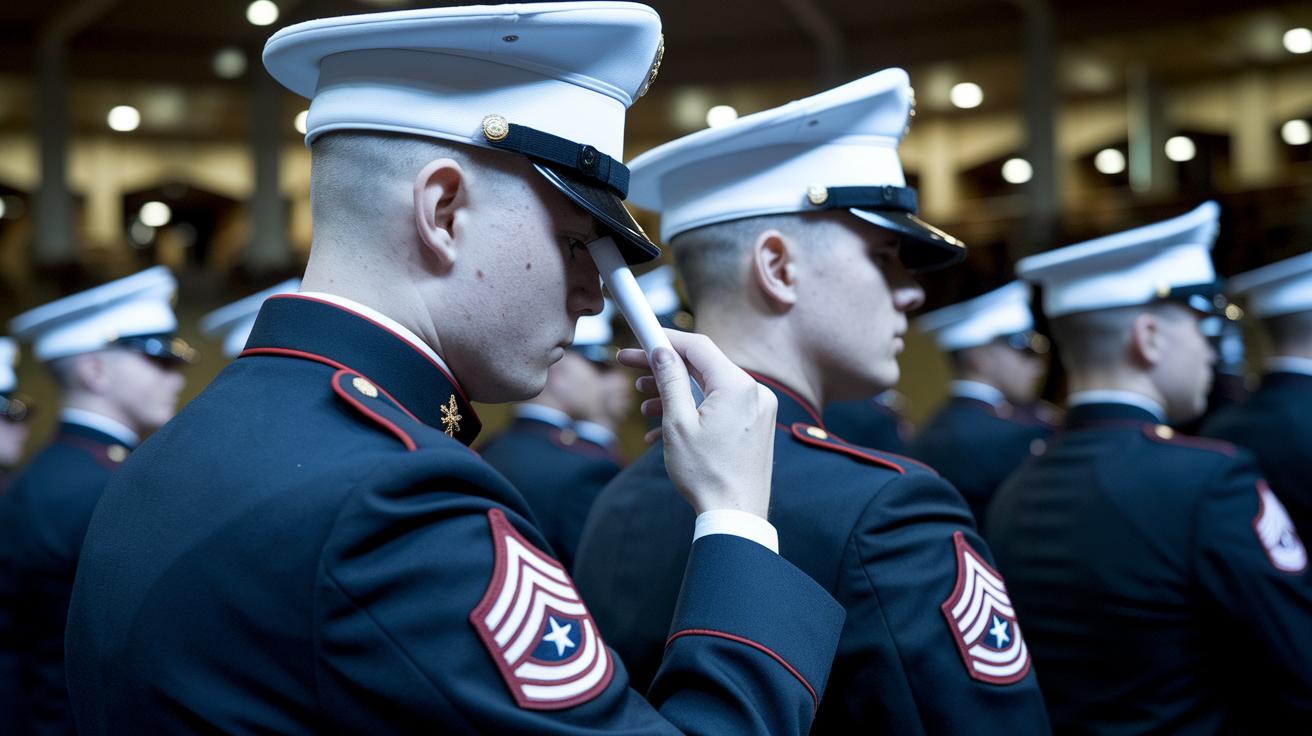
Traditions link new Marines to those who came before. Graduation ceremonies, disciplined drill, and rituals like the first wearing of certain uniforms reinforce a shared history. Receiving the Eagle, Globe, and Anchor symbolizes global reach and naval heritage; it’s an emotional rite of passage for recruits and families. Core values , honor, courage, commitment , are more than words; they’re daily expectations. These ceremonial moments memorialize the transition from recruit to Marine, imprinting a sense of belonging and responsibility that lasts a lifetime.
After Boot Camp: MOS School, Fleet Life, and Lifelong Bonds
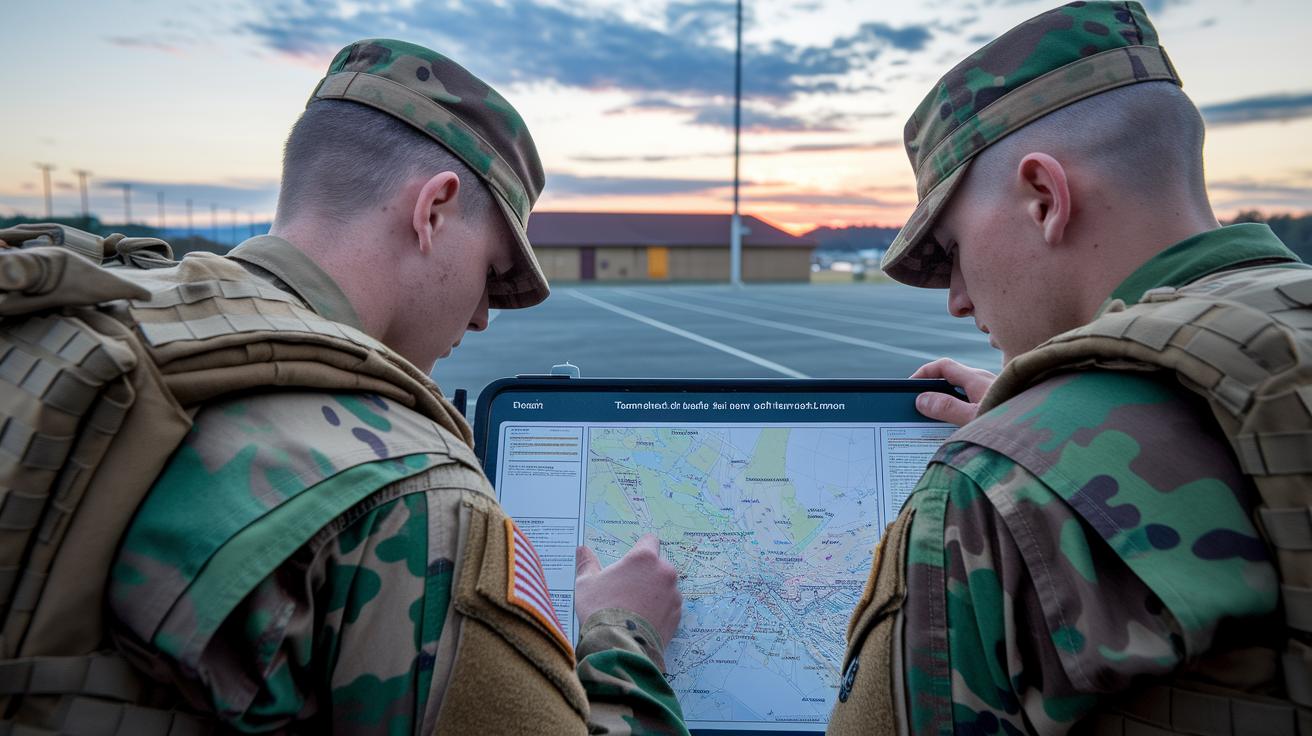
Boot camp is the starting line, not the finish. After graduation, Marines attend follow-on training for their Military Occupational Specialty (MOS), learning the job skills they’ll use in units across infantry, aviation, logistics, cyber and many fields. Fleet life combines mission work, deployments and continual training. The habits and teamwork from recruit training remain central: discipline, adaptability and unity define daily life. Many Marines keep bonds formed in recruit barracks for decades, and the ‘we’ mentality often shapes their careers and communities long after service ends.