
Ever notice how some cadets breeze through tests while others get stuck? A clear study guide can really change the game. It breaks your work into small, manageable tasks that make exam prep much easier.
In this post, we share seven practical tips that help you focus on what matters most and boost your exam scores. You'll learn how to plan and organize like a pro, turning tough study sessions into steady progress.
Ready to get that extra edge on test day? Let’s dive in and see how these tips can work for you.
cadet study guide Core Framework for Exam Success

A good study guide is a lot like a map on the training field. It points you in the right direction, showing you exactly what matters for exam success. With a clear plan, you feel more confident as test day comes and the study load becomes easier to handle. Lots of folks have used this method to polish their test skills and stay on track.
A solid guide for academy exams breaks your work into small, easy-to-digest pieces. It helps you set priorities, sort through different subjects, and plan review sessions that stick to simple military exam tips. With this plan, you move through your study time like a well-run drill, making every minute count.
- Goal setting
- Curriculum overview
- Time management
- Guided revision sessions
- Practice drills
- Self-testing
- Progress tracking
- Stress management
These eight parts work together to build a strong cadet study guide. Start by setting clear goals so you know the scores you’re aiming for and what you want to learn. Then, take a good look at your curriculum to spot subjects that need extra focus. Good time management helps you stick to a regular study routine. Expert-led review sessions and practice drills simulate real test conditions and sharpen your skills. Regular self-testing shows you where more work is needed and tracking your progress keeps you moving forward. Finally, using stress management techniques helps keep you calm when studying gets tough. Put these steps together and you’ve got a solid plan that builds both your knowledge and the confidence you need for exam success.
Structuring a cadet study guide Schedule and Regimen

Start by marking your exam dates on your calendar and blocking out study times. For example, you might set aside Tuesday and Thursday evenings to go over key topics. This simple step turns a packed schedule into small, doable sessions that help you focus without feeling overwhelmed.
Next, assign specific time slots for each subject. Imagine studying math in the morning and tackling verbal reasoning after dinner, you’re basically setting checkpoints on a mission. This way, you won’t spend too long on one subject while leaving another behind.
After each study block, plan a short review session. Spend about 15 minutes going over what you just learned, much like a quick debrief after a field exercise. It’s a great technique to reinforce your knowledge and keep the important details fresh.
Be flexible with your study routine. When your training schedule changes or family duties pop up, adjust your blocks accordingly. This adaptable approach ensures you stay ready and on course, balancing exam dates with everyday life.
cadet study guide Core Subjects and Academic Roadmap
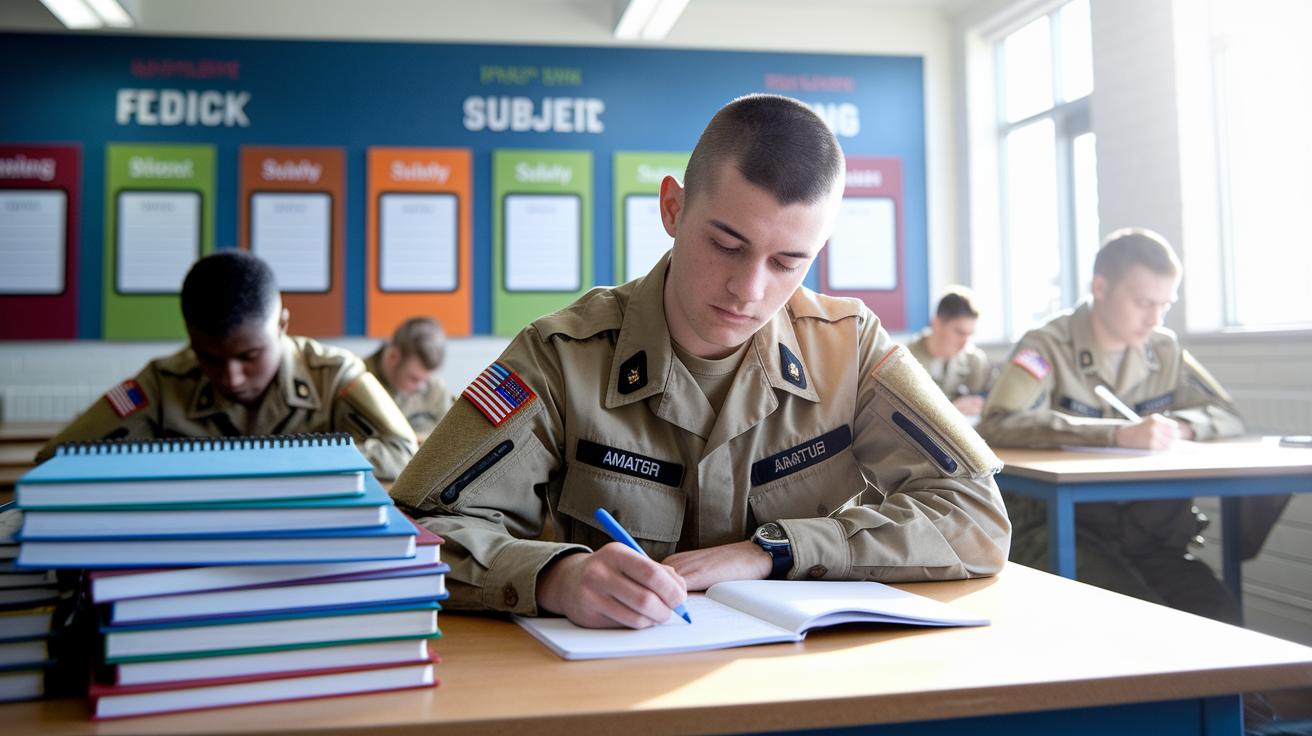
The cadet curriculum is divided into clear subject blocks that guide your study sessions. Each block focuses on a specific part of the exam so you give every topic the attention it deserves. Think of your study plan like a military formation, each subject stands in line, ready to be tackled.
Math and quantitative reasoning are a cornerstone of your training. They cover topics like arithmetic, algebra, and geometry (the basics of numbers and shapes) to test your numerical skills. Just like planning a drill, you work through each problem step by step with focus.
Verbal and technical comprehension sharpen your ability to follow orders and understand reading material. These topics mix reading exercises with plain language technical explanations to boost your listening and thinking skills. Imagine getting an order from a commanding officer and knowing your next move right away.
Leadership and physical training are just as crucial. Leadership theory helps you learn how to make smart decisions under pressure, while fitness evaluations prepare you for the physical side of your duty. It’s like learning tactics in the classroom and then putting them into practice during a brisk morning workout.
Finally, balancing academics with physical preparation is the final piece of your roadmap. Coordinate your study sessions with workout routines, similar to running a dual training drill in one shift. This balanced approach builds both your mental strength and physical readiness, setting you up to handle any challenge.
cadet study guide Practice Questions and Tactical Review

Practice sessions are a great way to boost your confidence. They let you work with real exam questions and get ready for test day. Regular drills help you check your skills in a steady, controlled setting, just like running a few short exercises before a mission. Picture yourself answering a series of multiple-choice math problems quickly, almost like clearing obstacles during an obstacle course with clear stops along the way.
| Question Type | Purpose | Recommended Time |
|---|---|---|
| Multiple-choice Math | Checks your number skills and problem solving | 10 minutes |
| Situational Judgment | Tests your decision making under pressure | 8 minutes |
| Reading Comprehension | Looks at how well you understand written commands | 12 minutes |
| Physical Scenario Analysis | Mimics quick thinking during physical tasks | 15 minutes |
| Leadership Case Studies | Measures your reaction to command situations | 10 minutes |
| Rapid-fire Drill Exercises | Sharpens your speed and accuracy under time limits | 5 minutes |
After each practice, take a few minutes to debrief. Note the questions that made you hesitate or that you got wrong. This quick review helps you spot areas where you need extra practice. For example, if you see a lot of mistakes in situational judgment, you know to try a new tactic next time. By going over your drills and learning from each error, you build stronger test-taking skills. This ongoing cycle of practice and feedback gets you ready to face the exam with clear confidence.
cadet study guide Self-Assessment and Performance Improvement

Clear goals and measures light your way. Start by setting solid targets like a specific test score or a faster time in a practice drill. For instance, you might decide to finish 20 math problems with fewer than three mistakes. This gives you a clear aim every time you review.
Taking regular self-quizzes is a top tip for improvement. Think of these quick tests like a debrief after a field drill. Right after studying, quiz yourself on key points, just like recalling steps in a drill. This habit not only boosts your skills but also lets you know right away how well you're doing.
Reviewing your quiz results shows you exactly where you need more work. Write down the problems you missed and ask, "Why did I get this wrong?" It works like a debrief after an exercise, helping you see which areas need extra attention.
Finally, adjust your study schedule based on what you learn. If your self-assessment shows gaps, shift your study blocks to target those weaknesses. This flexible method builds your confidence and steadily lifts your overall performance.
7 cadet study guide tips to excel
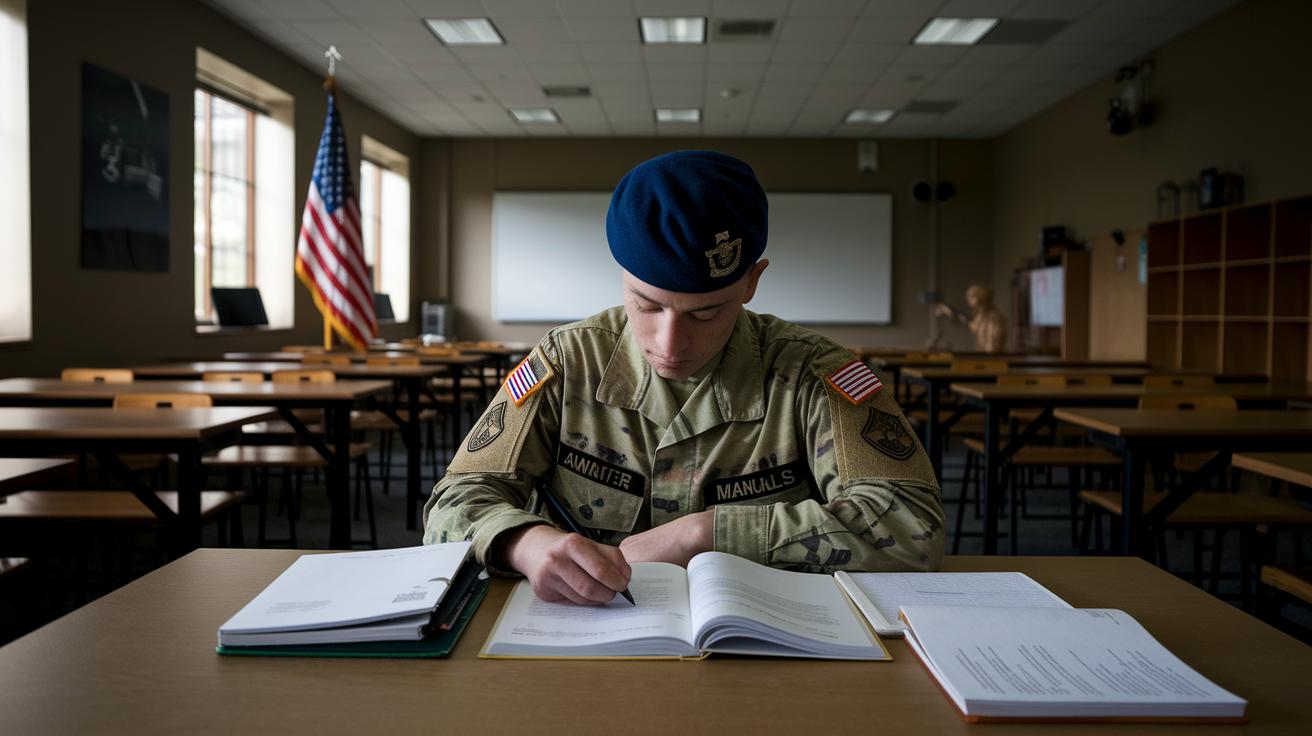
Official manuals and a reliable set of textbooks are the backbone of a strong cadet study guide. They take hard topics and break them into easy, step-by-step parts, much like a well-organized drill. One great starting point is the officer candidate school study guide, which lays things out clearly and has helped many recruits.
Interactive modules and mobile study toolkits keep your training flexible. They let you study on the go and review exam ideas during your downtime. Imagine using a simple app to run through practice drills while you wait for your next duty; quick check-ins like that can really boost your readiness.
Creating your own resource mix is a smart way to sharpen your study habits. Gather a combination of official study materials, creative learning tips, and digital tools to track how you’re doing. This custom approach makes sure your study guide grows with you, turning it into a lasting asset for exam success.
Final Words
In the action, our guide showed how to build a solid cadet study guide. We reviewed setting clear goals, splitting study time wisely, and using practice drills with self-assessment for steady progress.
Every part of the plan links together to support exam readiness and personal growth. When you apply these strategies, you’re set to boost both your mental and physical skills and step confidently toward military success.
FAQ
What is a cadet study guide PDF?
The cadet study guide PDF provides a structured resource that outlines test success strategies, core subjects, and practical tips to help cadets prepare efficiently for exams.
What does the NJROTC Cadet Reference Manual include, including the 2025 edition?
The NJROTC Cadet Reference Manual, including its 2025 edition, offers detailed curriculum outlines and exam tips designed to support cadets in mastering key concepts and test-taking strategies.
How is the LVMPD written exam study guide useful?
The LVMPD written exam study guide helps cadets by presenting focused practice questions and clear strategies, ensuring candidates can effectively prepare for the written exam component.
What are the differences among the Cadet Reference Manual editions like 2018, JROTC, and the 7th edition?
The various Cadet Reference Manual editions, such as 2018, JROTC, and the 7th edition, each offer tailored content and updated practices to address specific exam sections and cater to different training needs.