
Ever wonder how to handle a full-time job while prepping for a military exam? It might feel like you’re at a crossroads, but a solid plan makes all the difference. Nearly eight out of ten test-takers stumble on their first try, so steady, focused study is key.
With clear scheduling and short, targeted sessions, you can keep your work life on track while building the skills you need. This balanced approach not only cuts stress but also sets you up for success when exam day comes.
Essential Framework for Balancing Work and Military Test Preparation

Balancing a full-time job with military test prep can feel like you’re caught between two worlds. It’s a real test of focus and discipline. Nearly 8 out of 10 ASVAB candidates miss the mark on their first try, so trying to handle both work and intensive study can be pretty overwhelming. You have to make every minute count while keeping your energy steady for both tasks.
Try setting aside just 5 minutes a day to study. Focusing on one topic at a time can boost your confidence and ease that overwhelmed feeling. Timed practice sessions act like a mini simulation of test day, it sharpens your time-management skills and helps lower anxiety. Instead of memorizing practice questions, dig into the core ideas (the essential concepts you need to know) so they stick with you for the exam. These simple techniques help you blend career duties with exam prep.
Having a clear plan is key. Set up dedicated blocks for study, schedule regular reviews, and don't forget moments for self-care. Think of it as planning a mission: each focused step builds your progress bit by bit. This balanced approach not only makes learning easier but also gives you a realistic plan to beat those tough first-try statistics. In truth, you’ll be ready to shine on test day when you combine steady work with smart study moves.
Strategic Planning and Scheduling for Balancing Work and Military Test Preparation
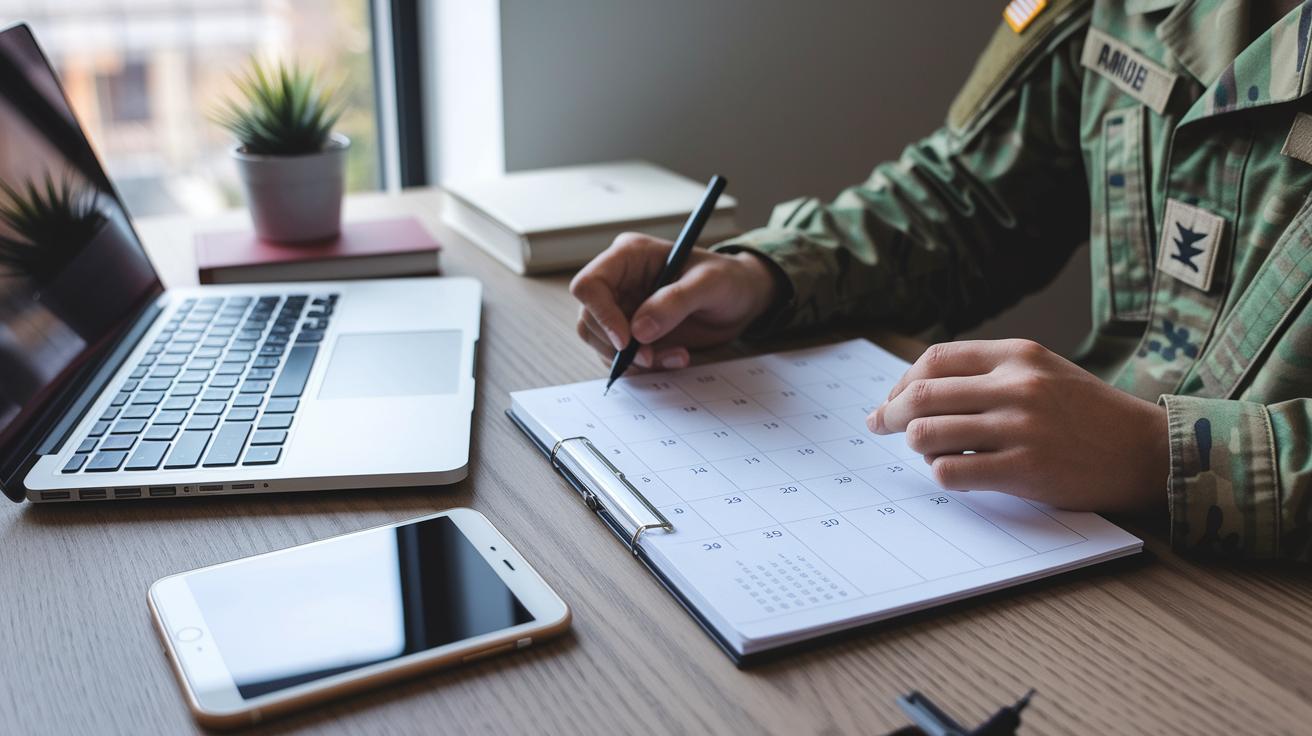
When you’re juggling work and prepping for a military test, a good plan is your best buddy. A clear schedule lets you squeeze in study time around your work shifts so you never lose track of your revision. Think of your calendar as your mission plan, mark exam dates, note work hours, and add extra time in case things change. This way, you build in some flexibility for any surprises at work.
Here are some straightforward tips:
| Tip | Description |
|---|---|
| Fixed Study Hours | Plan study blocks before or after work. |
| Color-Coded Calendar | Use different colors to mark your work and study sessions. |
| Weekend Review | Save weekend time for deep review sessions. |
| Micro-Study Sessions | Fit in short study bursts during your breaks. |
| Checkpoint Reviews | Set regular times to check your progress. |
Talking with your supervisor or family about a little extra flexibility can really help smooth out any conflicts. This steady routine not only keeps your study plan on track but also helps you perform well at work. When your job and study times are well-organized, you walk into test day feeling confident and ready to succeed.
Efficient Military Test Preparation Techniques for Working Service Members

Push your study plan forward by setting up blocks of time that match each topic’s difficulty. Instead of slicing subjects evenly, spend extra time on tougher areas and cut back on the easier ones. For example, if you struggle more with number problems than with vocabulary, plan a dedicated 20-minute session just for mental calculations.
Keep your schedule flexible by mixing in short review breaks throughout your day. Check your progress and tweak your study sessions along the way. For instance, if you find that a quick 10-minute run through mental math drills boosts your speed, make that part of your routine, 10 minutes of drills, a short 5-minute break, then get right back to it.
Gear up for exam day with practice tests that really feel like the real thing. Instead of rehashing the same old questions, try using fresh challenges each time to keep your mind sharp. Picture a test where you have to quickly analyze and decide on problems, helping you build both speed and a solid understanding for the actual exam.
Managing Stress and Health While Balancing Work and Military Test Preparation

When you're juggling a busy job and exam prep, it can feel a lot like running a perfect drill. Keeping a steady routine of good sleep, healthy meals, exercise, and short mindful breaks is crucial. Try getting 7 to 8 hours of sleep each night to sharpen your memory and keep you alert. Eating nutritious food helps hold your energy steady so you can concentrate during study sessions. Even a 30-minute workout can boost your mood and clear your mind. And a quick 5-minute mindful break can ease stress, sort of like a warm-up before a mission.
| Activity | Benefit | Time Required |
|---|---|---|
| Sleep | Improves memory & alertness | 7–8 hrs/night |
| Balanced Nutrition | Sustains energy & focus | Three meals/day |
| Exercise | Enhances mood & reduces stress | 30 min/session |
| Mindful Breaks | Reduces anxiety, boosts concentration | 5 min/interval |
Build these habits into your weekly routine. Set fixed times for sleep, plan three balanced meals, and block off moments for a quick workout or mindfulness break. Even a short 5-minute breathing exercise can lower anxiety and help you stay sharp at work and during tests. Stick to your routine like a reliable drill, and you'll build both physical strength and mental resilience for whatever challenges lie ahead.
Leveraging Resources and Support for Military Test Preparation During Work

Studying for your military exam while working full time can feel like a tough mission. But don’t worry, you’ve got plenty of tools on your side. You can tap into free online classes offering more than 400 recorded sessions on key ASVAB topics (that's the test you need for military roles). Plus, practice tests come with clear scoring guides so you can see where you shine and where you might need a little extra work. And if you need a helping hand, tutoring, study groups, and mentorship are ready to offer personal advice just for you.
Some of these resources even come with money-saving perks. Military benefits like GI Bill®, Army COOL, and Air Force COOL can help cover exam costs, and your eligibility depends on your service status and how you do on the test. This means you get the help you need without added financial stress. On top of that, many organizations hold free workshops and consultation sessions designed for busy folks juggling work and study.
When you mix these options into your routine, you get a study plan that really fits your life. Set up regular online classes and practice sessions to keep track of your progress. Then, complement that with study groups or mentors to receive real-time feedback, making sure your efforts at work and in study match up with your test goals.
Tracking Progress and Fine-Tuning Your Work and Military Test Preparation Balance

Keep track of your progress with clear, data-based checks. This helps you tweak your study routine and spot areas that need work. For example, if you find you're scoring 15% lower on spatial tasks (skills that help with map reading), it's time to refocus.
After a drill, jot down your numbers in a simple table:
| Test Section | Score (%) | Target Score (%) |
|---|---|---|
| Recall Exercises | 78 | 85 |
| Problem Solving | 65 | 80 |
These records let you change your study blocks and focus on what needs it most.
When you see consistent gaps in your scores, adjust your study plan with personal tweaks. Test yourself regularly and use simple analytics to track your growth. If shorter, focused study bursts help you remember better, consider using longer sessions only for tougher topics. You might spend extra time on difficult terms (think vocabulary tests that check your understanding) and mix in practice drills that fit your learning style. This gives you a balanced plan that works with your job and test prep, leaving no room for last-minute cramming.
Final Words
In the action of balancing work and military test preparation effectively, you’ve seen how short study sessions, focused review, and careful scheduling can build up skills and confidence. Small daily blocks of study, proper self-care like sleep and exercise, and smart use of available resources create a powerful routine. A steady plan lets you manage job tasks while sharpening exam readiness. Stay positive and keep at it, each step brings you closer to success with a clear, manageable path ahead.
FAQ
What is an ASVAB practice test?
The ASVAB practice test replicates real exam conditions to help you identify knowledge gaps and build confidence. It strengthens your test readiness and offers focused practice amid your busy schedule.
What does an AFQT practice test do?
The AFQT practice test mirrors the actual exam’s content, helping you pinpoint strengths and weaknesses. It prepares you to handle exam pressure confidently with strategic, consistent practice.
What does an ASVAB prep course cover?
The ASVAB prep course covers core exam topics and test strategies, translating complex material into clear steps. It offers structured lessons that make studying manageable while balancing work and study demands.
Where can I find an ASVAB free practice test?
The ASVAB free practice test is available online, providing a cost-free way to simulate exam conditions. It sharpens your test-taking skills and helps gauge your readiness to improve study sessions.
How do I find ASVAB test prep classes near me?
The ASVAB test prep classes near you offer instructor-led sessions designed to break exam material into manageable parts. They provide personalized guidance that helps balance your professional duties with focused study time.