
Ever thought of a test plan as a mission blueprint? A solid plan can guide your testing like a step-by-step operation. It breaks tests into simple steps, sets clear targets, lines up the right resources, and even plans for any surprises along the way.
Bold Tactics helps teams hit tough standards while staying flexible enough to adjust when things change. It’s like having a well-drawn map that shows every move, making sure your mission runs smoothly. Have you ever felt that rush when everything clicks into place?
Keep reading to see how these smart tactics can turn testing into a mission carried out with true precision.
Integrated Military Test Strategy Blueprint Essentials

This blueprint lays out a simple plan to set up testing for military systems. Think of it like planning a mission: every detail is mapped out so that each test step works together to hit clear goals. It pulls together test goals, the work needed, the setting for the tests, the schedule, the resources on hand, the test steps, and even plans for risks.
The plan sticks to DoD standards, including rules from the Federal Acquisition Regulation and MIL-STD-810 (a set of military testing standards). It uses battle-tested planning methods and thorough evaluation steps to keep tests up to the high bar required. Every part, from setting clear test targets to handling unexpected issues, is done following trusted military test strategies.
- Test objectives
- Scope definition
- Environment specs
- Schedule alignment
- Resource allocation
- Risk management & contingency planning
Each of these pieces is key to building a full-circle test plan. Clear objectives give us measurable targets, while the scope helps us see what’s in and what’s out. Environment specs lay out exactly the conditions needed, and aligning the schedule makes sure everything fits together on time. The right resources, from people to equipment, keep each test ready for action. And by managing risks with backup plans, we can tackle problems as soon as they pop up. All these parts work together to build a steady framework that drives smart, data-based improvements, keeping our plan tough and ready for any mission challenge.
Phased Evaluations in the Integrated Military Test Strategy Blueprint
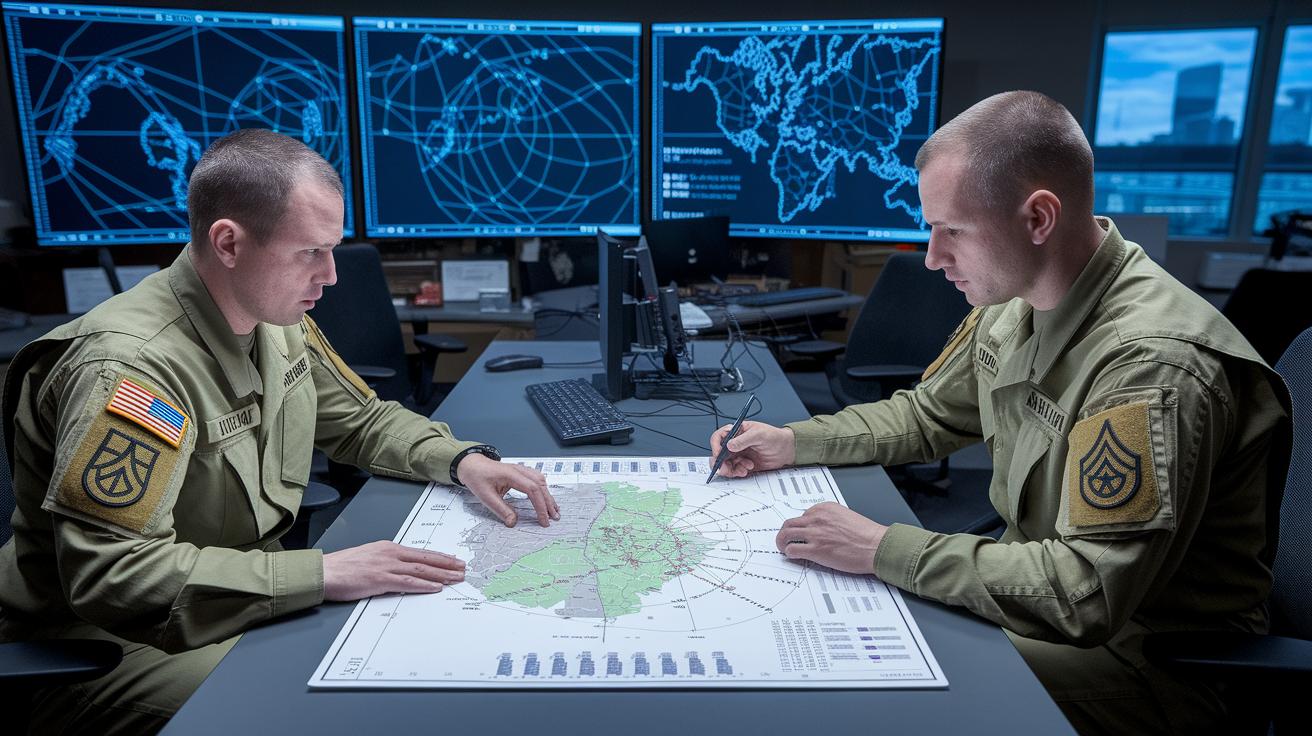
Phased evaluations chop a complex test into three clear stages: Planning, Developmental, and Operational. By splitting a big challenge into smaller, manageable steps, teams can focus on one part at a time. This simple plan works like a battle map that keeps every step in line with the mission’s key targets and helps guide smart decisions.
| Phase | Objectives | Key Activities |
|---|---|---|
| Planning | Set clear goals and criteria | Team meetings, reviews of needs |
| Developmental | Build prototypes and run tests | Lab tests, subsystem checks |
| Operational | Conduct full-scale exercises | Field trials, mission practice runs |
Using data-driven benchmarks is key to keeping the process on track. In each stage, performance numbers and set thresholds are tracked closely. For example, results from lab tests or feedback from team meetings give clear marks you must hit before moving forward. This step-by-step method not only builds a solid improvement plan but also creates a dependable framework throughout the mission. With clear, measurable checkpoints, teams can check their progress, make quick adjustments, and steer the process toward full mission readiness, all while keeping every stage aligned with the overall strategic goals.
Automated and Manual Testing Integration in the Integrated Military Test Strategy Blueprint

Automated tools like Appium, Selenium, and HeadSpin give you a wealth of performance data that shows how a system behaves from start to finish. They capture test metrics fast, track how long it takes for responses, and keep an eye on system throughput. Imagine it as having a digital spotter who checks key stats with accuracy during every drill.
Manual testing, however, picks up on those small details that automated tools might miss. It relies on real feedback from operators and careful observation to catch unusual behaviors and practical issues that a programmed check might overlook. For instance, a tech might notice a tiny lag or an unexpected glitch in the interface during a stress check that a computer wouldn’t catch.
Together, these two methods give teams a full picture of how systems work and fit together on the mission. Mixing automated and manual testing, as advised by the DoD Test and Evaluation Management Guide (a set of rules for checking military systems), makes sure every part of a system is examined. This combo not only confirms that performance standards are met but also boosts overall readiness by balancing solid data with real-world human insights.
Risk Mitigation Protocols in the Integrated Military Test Strategy Blueprint

Risk management starts by spotting challenges like equipment breakdowns, cyber attacks (problems with computer security), or delays in moving supplies. Teams use simple checklists and monitoring tools to catch these issues right away. For example, sensors and system logs alert you when a component might not perform as expected during a drill.
Then the blueprint mixes both opinion-based ratings (using simple scales) and hard numbers (data and patterns) to size up the risks. Crew members score issues on a basic level and also dig into the numbers. This two-step method helps command notice which problems need immediate action and which ones can be watched a bit longer.
Mitigation plans focus on building backups, secure system check-ups, and solid fallbacks. In practice, engineers often set up extra systems or parallel processes just in case the main one fails. So if one communication line glitches, another channel is ready to take over.
The blueprint also lays out clear steps for preparing backup plans and handling escalating situations. This means routine checks, early-warning alerts, and ready-to-go action plans are all in place. By sticking to these guidelines, teams can act fast when hiccups come up, keeping operations smooth and the mission ready every step of the way.
Performance Metrics and Iterative Control Cycles in the Integrated Military Test Strategy Blueprint

Our testing plan relies on clear metric dashboards that tell the story behind every number. Teams set up simple, straightforward measures that turn raw data into insights you can act on. Think about it like a mission briefing board, each figure has its own tale. We use MIL-STD metric standards (basic military guidelines for measurement) to record everything in real time, from signal checks to system responses. This way, everyone stays on the same page during every test.
We also use data-driven experiment schematics to report our findings and track progress. It’s like laying out a drill where each number shows what works well and what needs to change. Once the results are clear, teams can quickly see how systems perform under pressure and decide on the best tweaks to make.
Our approach is all about continuous improvement. We run rapid feedback loops and scheduled progress checks at every stage, much like a debrief after a field exercise. By constantly comparing our performance dashboards with set benchmarks, we make adjustments on the spot. This process not only sharpens system performance but also keeps everyone ready and aligned with our overall testing plan.
Simulation and Field Trial Execution in the Integrated Military Test Strategy Blueprint

Creating detailed virtual training grounds is crucial for simulating enemy tactics. These digital setups mirror real network layouts and how systems interact, giving your team a safe space to test out plans. Think of it as a digital boot camp where every network twist looks like what you might face in the field. This method helps planners catch problems early, while regular checks make sure the scenarios stay true to real conditions.
War game rehearsals act as practice runs before the real deal. Teams follow clear, step-by-step plans with leaders keeping a close eye on every move. Commanders watch these sessions carefully to make sure each phase, from a fake attack to a full counter-action, runs smoothly. For example, a rehearsal might involve a coordinated push through a simulated defense line, with team members taking turns as both attackers and defenders to really test the plan.
Live field trials take things a step further by testing procedures in real environments. In these trials, setup details and instruments are tightly controlled to show how systems perform under true-to-life conditions. Data is recorded at every checkpoint, offering insights into decision-making when the pressure is on. This hands-on testing proves both the system's technical skills and the team’s ability to adapt during real missions.
Integration Process Guidelines and Lifecycle Development in the Integrated Military Test Strategy Blueprint

When we put standardized processes in place, it’s like setting down a firm foundation for every test plan. These rules help everyone know exactly what to do, again and again, and they keep our work on target. By sticking to clear steps, teams can check each requirement, test every procedure, and make sure everything meets our high standards. This organized way of working cuts down surprises and makes it easier to hit our mission goals.
Process Standardization Guidelines
Keeping track of every test detail is key. With solid guidelines like requirement traceability and reliable checklists (a simple tool to make sure nothing is missed), every step of a test gets recorded and can be looked over later. Clear rules help the team follow a set path, which cuts out guesswork and lowers the chance of mistakes. Using proven methods from military test strategies helps put theory into practice. In short, these guidelines give you a straightforward manual for noting results and checking off each test piece uniformly. This way, every stage sticks to both our own standards and the ones set by others.
Lifecycle Model Application
Think of the lifecycle model as your step-by-step guide, starting from the first idea and moving through prototype trials right up to the final review. It makes sure early concepts get a proper look, prototypes are seriously put to the test under controlled conditions, and successful trials are clearly recorded. The model links each test phase together and keeps everything open and easy to follow, from the initial evaluation all the way to the final certification.
By using these standardized processes and a strong lifecycle model, we build a testing routine that's clear and consistent. This full-picture approach not only keeps test activities organized but also strengthens our program for the long haul, keeping us ready for any mission ahead.
Final Words
In the action, we examined the key components of our blueprint, from setting clear test objectives and phased evaluations to blending automated checks with hands-on assessments and strong risk management measures. We discussed performance metrics that drive consistent improvements and simulation techniques that mirror real-world conditions.
This integrated military test strategy blueprint gives a real-world guide to boost your physical and mental readiness. Each part builds on the next, aimed at growing your confidence and helping you succeed in every military test. Keep moving forward with determination and focus.
FAQ
What is the integrated military test strategy blueprint pdf?
The integrated military test strategy blueprint pdf is a structured document that organizes test objectives, scope, procedures, and risk management measures into a cohesive strategy following DoD and FAR standards.
What does the integrated military test strategy blueprint example show?
The integrated military test strategy blueprint example shows how phased evaluations, resource allocation, and risk management combine to form an end-to-end evaluation framework aligned with testing standards.
What does the integrated military test strategy blueprint 2022 include?
The integrated military test strategy blueprint 2022 includes outlined test phases, automated and manual testing integration, and risk mitigation protocols that meet current DoD requirements and established test practices.
What is the Test and Evaluation Master Plan Template?
The Test and Evaluation Master Plan Template is a formatted guide that details test objectives, environment specifications, and scheduling to ensure a consistent, mission-critical approach to system evaluation.
What is the DoD Test and Evaluation Management Guide?
The DoD Test and Evaluation Management Guide offers clear instructions for structuring tests, aligning with DoD requirements, and ensuring that evaluation procedures comprehensively validate system performance.
How does the Test and Evaluation Master Plan link together components?
The Test and Evaluation Master Plan links together components by ensuring that test objectives, resource planning, and risk management strategies work in unison, maintaining consistency across the evaluation process.
When must the Test and Evaluation Master Plan be developed?
The Test and Evaluation Master Plan must be developed before initiating testing activities, serving as the blueprint for scheduling, resource allocation, and risk mitigation required for successful evaluations.
What does the Modeling and Simulation for Test and Evaluation Guidebook cover?
The Modeling and Simulation for Test and Evaluation Guidebook covers simulation-based methods that mirror operational conditions, helping teams validate performance and mission readiness through realistic test scenarios.
What is a temp plan in test strategy?
A temp plan in test strategy refers to a short-term testing outline that organizes immediate steps and requirements while preparing for a comprehensive, formal test plan rollout.
What does a test strategy include?
A test strategy includes clear definitions of objectives, scope, environment details, schedule alignment, and resource allocation, all essential for guiding a complete and effective evaluation.
What does integrated testing provide to all stakeholders?
Integrated testing provides stakeholders with a unified view of system readiness by combining automated data metrics with manual test insights, ensuring comprehensive performance verification and mission assurance.
What is the test and evaluation master plan?
The test and evaluation master plan is a complete document that outlines the strategy, phases, risk management, and performance metrics required to validate and support military systems effectively.