
Have you ever wondered why some service members ace their exams while others struggle? It comes down to having a clear study plan that fits into your everyday life. Instead of trying to remember every detail, focus on the key points outlined in your test guide (this guide shows you what to expect). This way, you can practice on your own schedule, reducing stress and building real confidence for exam day.
Try these three smart study tips and get ready to tackle your military tests with a steady, determined mindset.
Core Study Tips for Military Competency Exams

When you face military competency exams, a clear study plan can make all the difference. These tests help decide which roles you'll be eligible for after recruitment. Working with a study plan that fits the exam’s style can give you the calm and confidence needed on test day. Think of it like practicing on the course you'll race on instead of just reading the instructions.
Focused study tips help you save time and energy. Instead of cramming endless details, you can zero in on the main topics from your test guide. This saves effort and cuts down stress, much like perfecting each move during a drill. You work smarter by practicing what really counts.
Taking an exam-specific approach brings many benefits. It highlights the key sections that impact your score, opening more career opportunities. Regular practice with these parts helps you get comfortable with the test’s layout. In short, by tailoring your study method to the exam’s needs, you boost your confidence and become better prepared to handle test day challenges.
Effective Time Management for Military Exam Preparation

When you’ve got drills, a part-time civilian job, and family duties, it can be hard to find enough time to study. Try to match your study sessions with your duty schedule. This way, you avoid last-minute cramming and keep your stress levels low. Set clear, doable goals each day and line them up with exam dates so your progress feels steady. For instance, planning your study time right after your shift can make it as regular as your daily assembly. Take a look at the step by step military test preparation guide for more tips on daily and weekly scheduling.
- Create study blocks during the quiet moments before duty.
- Reserve specific periods just for focused review.
- Use short, timed study sessions that fit your busy day.
- Find flexible time slots during off-duty hours.
- Set simple, prioritized daily learning goals.
- Plan a weekly review session to see how you're doing.
Stick to your schedule like you do a drill routine and you'll notice steady improvements over time. Keeping to a regular study plan sharpens your focus and boosts your confidence for exam day.
Familiarization with Military Exam Formats and Logistics
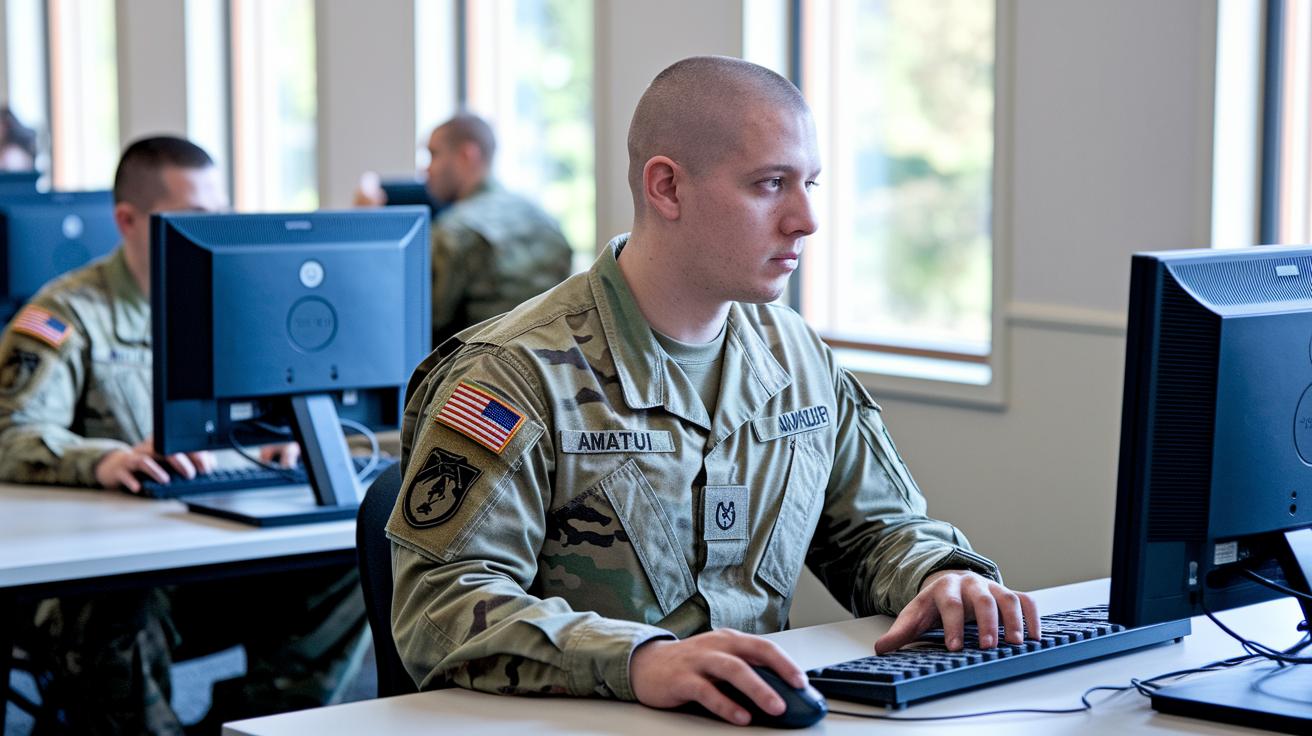
Military aptitude tests aren't what they used to be. Back in the day, you filled out pencil-and-paper tests in crowded rooms. Now, you head to a designated test center, like an Armed Forces Careers Office, where you just show your photo ID and they supply everything you need. This way, you can keep your focus on the task at hand.
| Exam Format | Administration | Requirements |
|---|---|---|
| Pencil-and-Paper | Shared Room | Personal writing tools |
| Computer-Based | Designated Test Centers | Photo ID and provided materials |
| Hybrid Format | Optimized Testing Facilities | Standardized guidelines followed |
Different service branches may mix things up with the test questions and scoring limits. Some tests lean more on logical reasoning, while others throw in technical topics (special subjects related to each branch’s requirements). Knowing these differences lets you shape your study plan to hit the key areas. For example, if you’re shooting for a technical role, you might need to boost your math skills.
Taking the time to learn your branch's specific test format eases uncertainty and builds your confidence. A quick run-through of the computer interface can show you little details about how the questions are set up, helping you tweak your study habits. This clear, focused approach smooths out your prep work and lets you face test day calm and ready, knowing exactly what to expect.
Active Practice Drills and Simulated Tests for Military Competency Exams

Real-life drills set you up for the actual exam, almost like a practice run before a big mission. They copy the test conditions so you can settle into a steady rhythm and start recognizing familiar question styles. Simulated tests help you get used to the flow of questions and the computer setup you’ll see on test day. This kind of practice boosts your time management and shows you exactly where you need extra work. Think of it like timing your laps before a key training exercise.
Here are some drills to try:
| Drill Type | Description |
|---|---|
| Timed sections | Practice sections with a clock to build speed and accuracy. |
| Mixed-topic rounds | Experience a variety of subjects in one go to mimic real exams. |
| Error-pattern reviews | Review mistakes to learn and avoid them in the future. |
| Adaptive quizzes | Quizzes that adjust in difficulty based on your answers. |
| Group sims | Practice with peers to build teamwork and confidence. |
Making these drills a regular part of your week can really sharpen your test readiness. Mixing up these exercises helps keep your skills on point while allowing you to focus more on the weak spots you uncover in each session. This steady routine becomes like your daily training regimen, ensuring that when exam day rolls around, you’re relaxed, prepared, and ready to tackle every challenge with confidence.
Memory Enhancement Strategies for Military Competency Exams

Spaced repetition really works for locking in info. You review key topics over longer intervals, and each review feels like you’re setting a stronger foundation. Mnemonic devices, like a catchy phrase to remember a sequence, turn tricky facts into easy-to-remember bits. These techniques are especially handy when you need to recall details quickly during timed drills.
- Flashcards help you drill definitions, acronyms, and formulas.
- Creating acronyms links complex terms to simple words.
- Mind mapping lets you see how ideas connect.
- Audio review engages your ears as you study.
Try out different methods to see what fits your style best. Mix these strategies with regular practice, and you’ll build a reliable memory toolkit that stands up under pressure. Soon, you’ll have a routine that boosts your retention and gets you ready for exam day challenges.
Test Anxiety Reduction and Concentration Boost for Military Exams

When you feel anxious, your mind might slow down, making it tough to focus during those critical moments. You know how it goes, nerves creep in, and suddenly, solving questions becomes a real challenge.
A few simple techniques can help keep you on track:
- Timed breathing
- 5-minute active breaks
- Progressive muscle relaxation (a step-by-step way to relax your muscles)
- Positive self-talk
- Mock interview confidence drills
Try adding these habits to your study routine, just like following a familiar drill. Take a few short breaks during your study sessions to practice timed breathing or enjoy a quick stretch. Before you dive into practice tests, spend a moment doing progressive muscle relaxation and boost your confidence with some positive self-talk. And once or twice a week, run through some mock interview drills to get used to handling stress like a pro.
Structured Review Sessions and Progress Tracking for Military Competency Exams

When you set up review workshops, think of them like regular drills. Break your study time into focused blocks where you work on key subjects and core ideas that boost your exam score. Repeat tough topics again and again to build a strong base and get better at spotting important details. It’s like running practice drills that steadily make you more confident and skilled.
Using logs and checklists turns your study routine into a solid mission plan. After every practice exam, take a moment to jot down your scores and note which areas gave you trouble. This steady record shows how you’re improving over time. A simple checklist lets you mark off subjects once you’ve mastered them, so nothing gets missed. Updating your logs often is like tracking your marksmanship, it makes your progress clear and helps you know exactly where to focus next.
Leveraging Digital Resources and Study Tools for Military Competency Exams

Official practice portals are a solid starting point to boost your exam skills. They give you realistic test materials, sample questions, and step-by-step guides that resemble what you'll encounter on test day. Think of it like checking out a digital toolbox full of drills, kind of like a pilot studying a flight manual before heading out on a mission.
Mobile apps for exam prep make things even more convenient. Many have timed sections and score dashboards, so you can keep track of how you're doing with ease. It's similar to a pilot glancing at instrument readings before takeoff, ensuring everything is on track.
Interactive video tutorials bring branch-specific content straight to your screen. These short, focused lessons break down tough subjects into clear, manageable parts. Imagine them as mini briefings that offer practical insights and help you practice in a way that fits your personal learning style and schedule.
Final Words
In the action, we reviewed key strategies that cover everything from effective study scheduling and active practice drills to understanding exam formats and managing test anxiety. We also touched on memory techniques, structured review sessions, and digital resources that keep you aligned with current standards.
With these study tips for military competency exams, step into your next assessment with clear focus and confidence. Stay sharp and keep moving forward, you’ve got what it takes to succeed.
FAQ
What study tips for military competency exams are available on Quizlet?
The study tips for military competency exams on Quizlet offer interactive flashcards and quizzes that help service members quickly review key concepts and test formats, boosting their exam readiness.
What do study tips for military competency exams in PDF format include?
Study tips provided in PDF format include concise guides with review notes and sample questions, helping candidates focus their study sessions and build confidence for exam day.
What is the focus of a military competency instructor test?
The military competency instructor test focuses on evaluating a candidate’s grasp of exam processes and instructional strategies, ensuring instructors can effectively prepare service members for their tests.
How does FAA military competency test prep help candidates?
FAA military competency test prep provides targeted study materials and practice questions that enhance understanding of the exam format and improve overall performance on FAA-specific tests.
What role does a FAA military competency instructor play?
A FAA military competency instructor guides candidates through exam content and study techniques, offering clear explanations and strategies to boost performance on the exam.
What is a military competency non category test?
A military competency non category test evaluates overall exam skills without focusing on specific subjects, giving candidates a balanced review of their knowledge and test-taking abilities.
What does the Sheppard Air Military Competency exam assess?
The Sheppard Air Military Competency exam assesses critical thinking and problem-solving skills essential for air service roles, ensuring candidates are prepared for the challenges of the field.
How can free FAA testing for military help in exam preparation?
Free FAA testing for military provides no-cost practice exams and study tools that offer service members an accessible way to review material, identify weak areas, and build confidence before the actual test.