
Ever wonder if one workout plan can boost performance for every branch? The joint military fitness test brings the Army, Air Force, Marine Corps, and Navy together under one clear standard. Think of it like having a reliable kit for every mission, one set of tests to check both endurance and strength. With changes like replacing old drills with a two-mile run, our readiness gets a solid boost, helping all forces build a stronger edge.
Overview of Joint Military Fitness Assessment
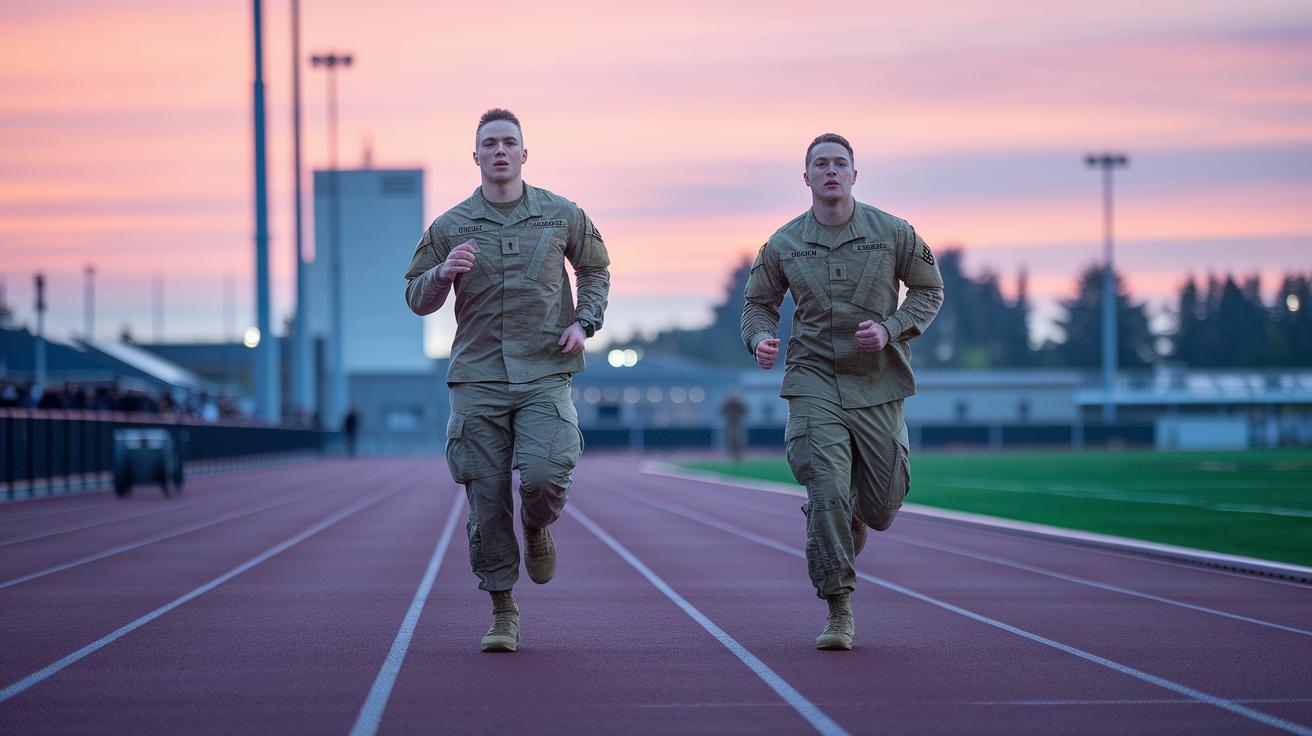
The joint military fitness assessment is a new way to test physical strength that all branches, the Army, Air Force, Marine Corps, and Navy, agree on. It all started on July 17, 2025, when everyone first used the same set of rules, much like using one trusty toolkit for every mission.
Under the latest updates from September 2025, every service member will now take part in physical tests twice a year starting in 2026. One big change is the annual two-mile run. This run takes the place of older tests, like the 1.5-mile run, and is part of a shift toward more familiar events like running and body weight exercises. This change makes it easier for everyone to be measured by the same standards.
Imagine jotting down a quick reminder: "Every branch now uses the same yardstick, our two-mile run tests endurance the same way for all." This unified test not only makes things simpler but also helps build stronger readiness and unity across our services. In the end, this joint fitness test gives a clear look at our overall strength and capability by sticking to one solid set of standards for every service member.
Structural Components of Joint Military Fitness Assessment
Every event in our joint military fitness assessment is designed to get you mission-ready. Starting in 2026, we’re switching from a 1.5-mile run to a two-mile run, done twice a year to build solid endurance. This update shows our move to core endurance drills used by every service. Plus, every branch now relies on push-ups and core exercises for strength checks, making it easier for commanders to compare fitness levels using the same standard military test (a series of physical measures).
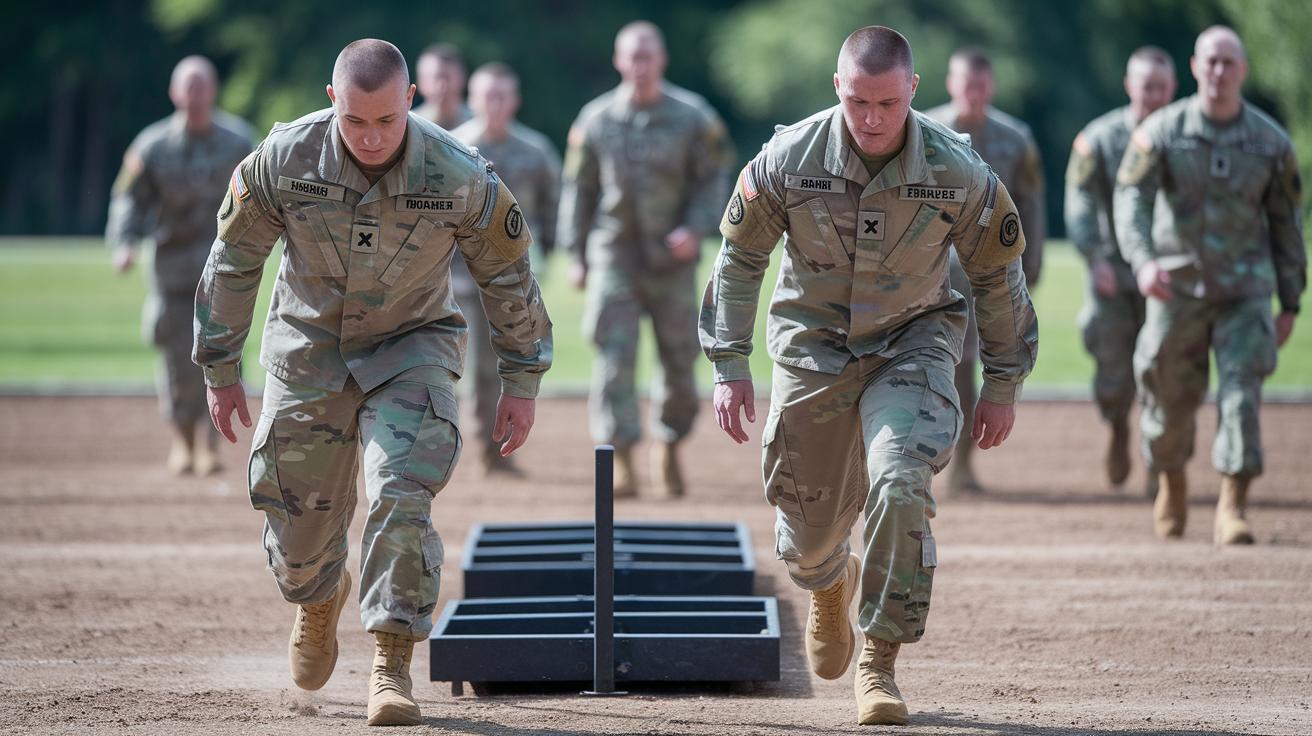
Take the Army as an example. They’ve added a 40-pound rucksack carry along with deadlifts to simulate the heavy loads you face in combat. Soldiers are lifting between 60 and 140 pounds to meet force training goals. Meanwhile, Marines are keeping their agility high with a sprint-drag-carry drill that uses a 90-pound sled to test explosive power and tactical readiness.
They’ve also modernized how body composition is measured. Instead of the old tape test, the service now uses a height-to-waist ratio. This new method fits each service member’s unique build while still keeping our assessments fair and consistent.
| Event | Description | Benchmark |
|---|---|---|
| Two-Mile Run | Endurance drill replacing the 1.5-mile run, held twice yearly | Time-based standards vary by branch |
| Push-Ups | Basic upper body strength test | Repetition goals differ for each branch |
| Core Abdominal | Measures midsection stability and endurance | Time or repetition targets |
| 40-lb Rucksack Carry & Deadlifts | Army drill mimicking battle load stress | Deadlift weights between 60-140 lbs |
| Sprint-Drag-Carry Drill | Marine exercise with a 90-lb sled to test power and agility | Timed performance |
Comparing Interservice Fitness Standards in Joint Assessment

The new joint military fitness assessment brings together tests that used to vary by branch. For example, the Army now requires exercises like carrying extra weight and doing deadlifts to mimic hauling heavy field gear. These drills check for the kind of strength and stamina you need on duty.
In contrast, Marines tackle a set of wave drills mixed with short, low-impact moves that work for everyone, no matter their fitness level. This way, each Marine gets a fair shot, whether they're a seasoned pro or just starting out.
The Air Force runs its tests twice a year, pushing service members with long runs and a mix of exercises that balance arm and core strength. This approach builds endurance slowly over time while keeping the body balanced.
Meanwhile, the Navy and Coast Guard stick with their classic routine of swim tests paired with sit-ups and push-ups. These tests are all about checking if you’re ready for action and can recover fast when the going gets tough.
Even with these different drills, every branch follows one unified set of rules known as military fitness standards (basically, the common benchmarks every service member must hit). While a Marine’s drill might look different from an Army’s, both are measured against clear, well-defined goals to ensure everyone is fit for the challenges ahead.
By mixing all these benchmarks, the joint assessment offers a reliable and fair way to compare fitness across the board. Each branch keeps its own style but focuses on core elements like endurance and strength. In the end, this unified approach makes sure every service member is evaluated fairly, no matter their background.
Training and Preparation for Combat-Ready Joint Fitness
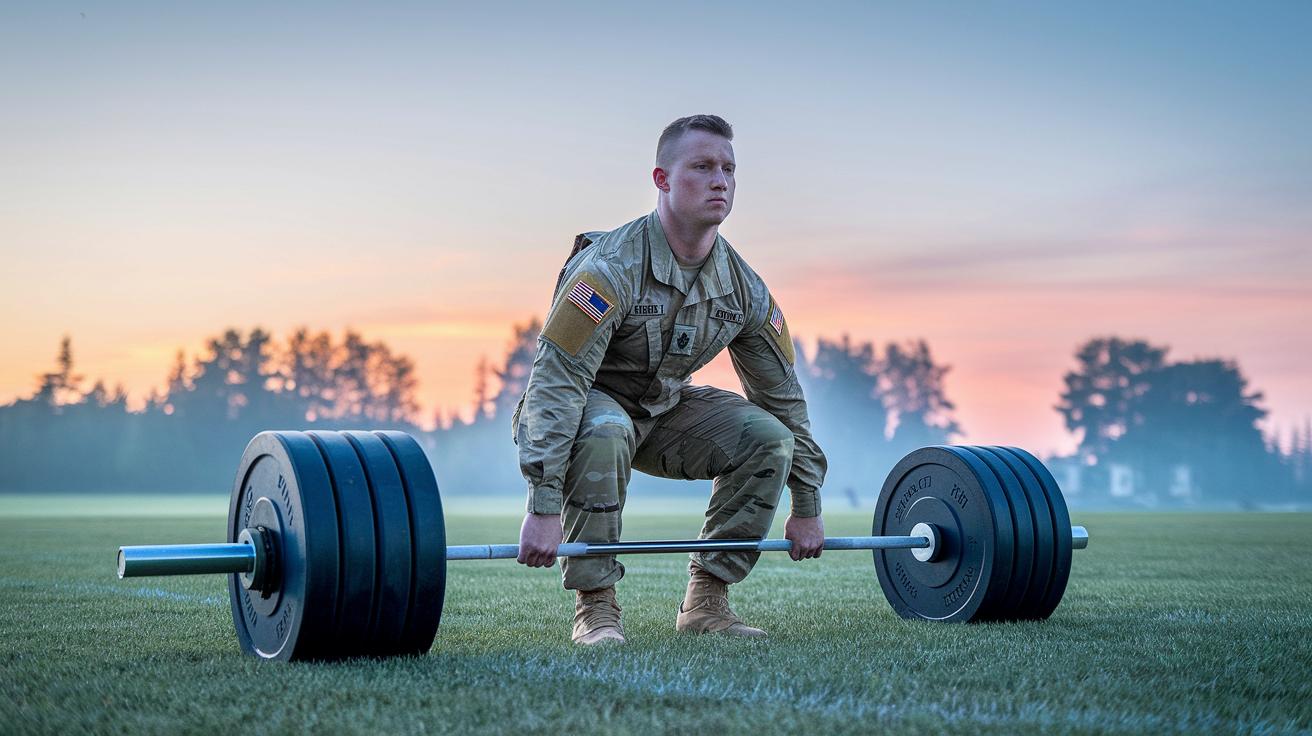
This section lays out a mix of drills that boost your endurance, strength, and tactical readiness – all crucial if you need to ace the joint military fitness assessment. Start with strength work three times a week using deadlifts with weights between 60 and 140 lbs. This exercise gets your muscles ready for heavy carries on the field. Picture yourself lifting weight after an early-morning drill, feeling that burst of power in every lift.
For agility, try the sprint-drag-carry with a 90-lb sled. It builds speed and coordination, preparing you for quick moves in the field. You can add short bursts like 30-second wave drills paired with 10 push-ups. These moves mimic the quick, intense bursts you face during real missions.
Mix in drills that simulate job tasks by using kettlebells of 20 to 40 lbs along with weighted vests of 20 to 50 lbs. These exercises bring a real-life feel to your training, as if you were carrying gear in an actual operation. Running, swimming, and workouts with resistance bands will help build the stamina needed to last through long periods of effort. Using smart-training tools to track your heart rate, count reps, and record progress makes it easier to see your improvements.
Remember, combine these sessions with proper rest and good nutrition. This mix will help you recover well and stay strong and mission-ready each day.
Official Updates and Future Trends in Joint Military Fitness Assessment
Since mid-2025, changes in policy have paved the way for a new two-mile run challenge beginning in 2026. Instead of revisiting old plans, we’re now looking at fresh trends that could change how we train and test in the field.
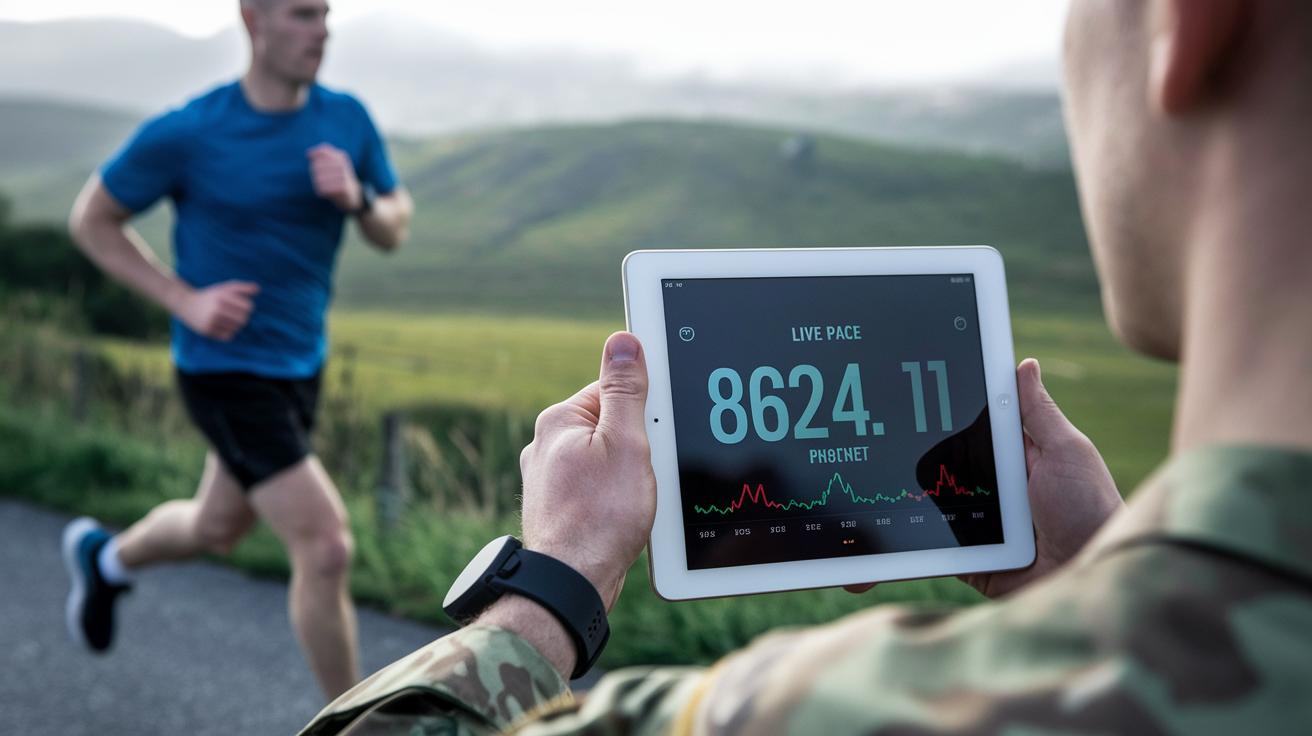
New gear like wearable performance sensors might soon be in use to give you live feedback during drills. Picture a device that monitors your pace and heart rate and lets you know right away if you start lagging behind, this tool could really help sharpen your workouts.
Measurement methods are getting a high-tech upgrade too. What used to be a simple tape test is now evolving into a height-to-waist ratio system. Soon, digital tools may automatically collect and record your data, giving coaches quick updates so you can adjust your training on the fly.
There are some challenges with this new approach. Switching to tech-driven checks means you'll need to get used to analyzing data and solving any tech issues as they pop up during key evaluations. Key points to note include:
| Trend | Impact |
|---|---|
| Wearable tech for constant monitoring | Helps keep real-time track of performance |
| Updating training routines | Makes workouts more responsive to your current state |
| Overcoming tech challenges | Involves learning to troubleshoot on the spot |
Overall, these updates mix traditional physical tests with smart data insights to ensure every service member is measured on a consistent scale.
Final Words
In the action, we broke down the joint military fitness assessment framework, covered core events, and compared each branch's standards in a clear, concise way. We then looked at tailored training routines designed to boost strength and endurance, and wrapped up with news on upcoming official updates. This guide provides a straightforward look at what’s ahead and shows that solid preparation and confidence pave the way for success. Keep your focus sharp, train hard, and embrace the challenge ahead.
FAQ
Q: What is the joint military fitness test?
A: The joint military fitness test serves as a unified evaluation, combining standardized physical events like the two-mile run, push-ups, and strength drills. It brings a consistent readiness benchmark for all branches.
Q: What are the joint military fitness assessment standards, scoring, and charts?
A: The joint military fitness assessment standards set unified benchmarks for endurance, strength, and core events. Scoring systems and charts help track performance consistently across different branches.
Q: What is the new fitness test for the military?
A: The new fitness test replaces older events with an annual two-mile run and updated strength challenges, unifying evaluation criteria for all service branches starting in 2026.
Q: Is the Air Force going to use a 2-mile run in the new test?
A: The Air Force will include a two-mile run, testing running endurance twice yearly, in line with the joint fitness assessment that standardizes performance metrics across all military services.
Q: What is the hardest fitness test in the military?
A: Service members consider the difficulty of the fitness test based on branch-specific events. Marine evaluations, which include the sprint-drag-carry with a 90-lb sled, are often seen as particularly challenging.
Q: What discussions about the joint military fitness assessment are appearing on Reddit?
A: On Reddit, service members share their experiences and tips about the joint military fitness assessment, offering firsthand insights into performance strategies and branch-specific challenges under the new unified standards.