
Ever wonder if the new exam rules might give you a leg up?
These changes let recruits join at 17 with parental permission and adjust age limits for different roles. Plus, they open doors for legal residents and tighten up the education and physical tests (a measure to see how fit and knowledgeable you are).
This update is all about building a smarter, fitter team. It might just be the breakthrough for many of us eager to serve.
Get ready, these changes could really shape your future in the military.
Key Highlights of the Military Exam Eligibility Criteria Update

Hey there, let’s break down the new rules for military exam eligibility. Now, if you’re 17 and have your parent’s okay, you can apply. If not, you need to be 18. For enlisted roles, the age ceiling is now 42. Most officer positions still require U.S. citizenship, but Legal Permanent Residents (people who legally live in the U.S.) might be accepted in some branches if a recruiter confirms their status. And if you’re a man aged 18 to 25, you must register with the Selective Service.
Moving on, here’s what you need for education. Enlisted candidates must have a high school diploma or GED along with 15 college credits. Officers, on the other hand, need a bachelor’s degree from an accredited school by June 1 of the year they start. For those interested in medical scholarship programs, meeting specific GPA and MCAT (a test of medical knowledge) requirements is a must. Every recruit also has to pass a branch-specific physical exam to prove they’re fit, at the right weight, and medically ready to serve.
Finally, background checks at MEPS are getting tougher. They will closely review any past criminal behavior and moral conduct. If you have multiple convictions or a felony record, you might be disqualified unless you get an exemption on a case-by-case basis. These new measures show the military’s commitment to keeping a team that upholds strong ethical and professional standards.
Age and Citizenship in the Military Exam Eligibility Criteria Update
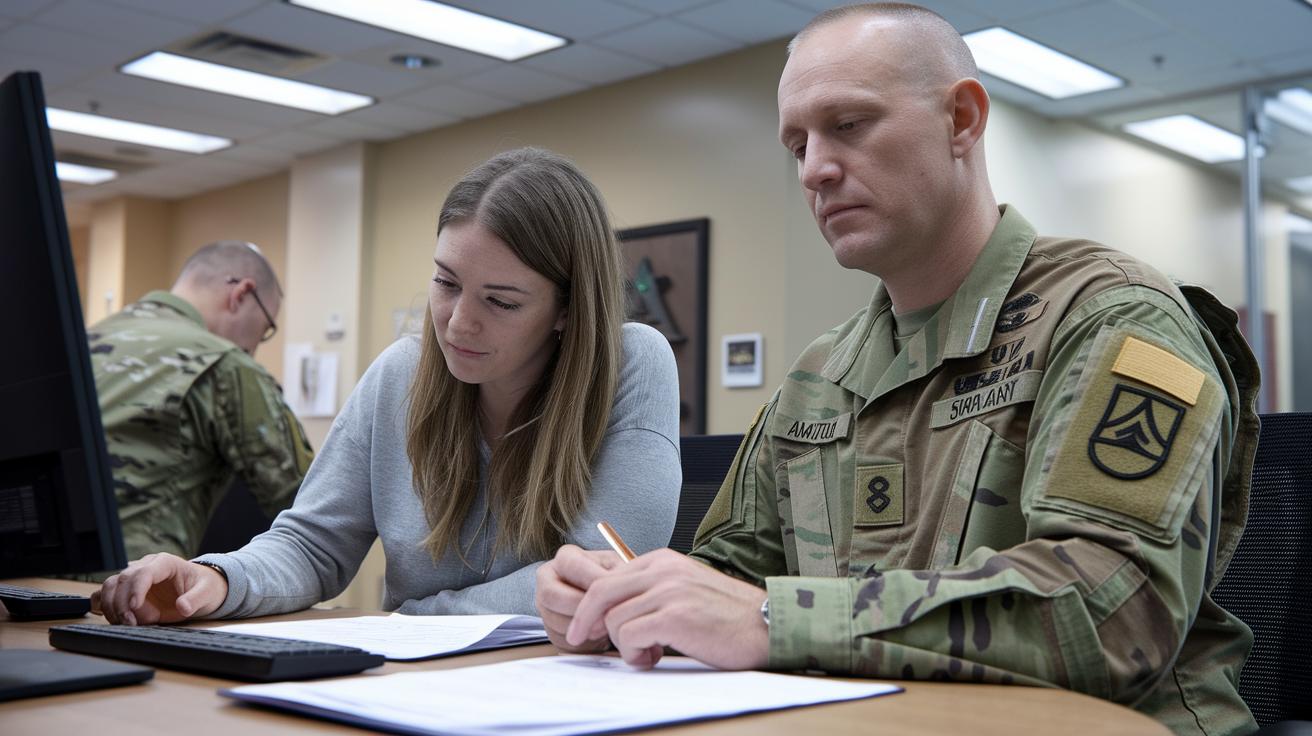
Recent changes in the exam rules are all about modernizing recruitment and getting young, eager recruits involved early. Now, applicants can join at age 17 if they have their parent’s permission, and at 18 even without it. This change is meant to give opportunities to those who show early signs of maturity, and it’s set in place in time for hopefuls aiming for the service academy by July 1.
Here’s what you need to know:
- Age limits differ by branch.
- Minors need parental permission.
- Citizenship and branch rules might have special exceptions.
- There’s a requirement for Selective Service registration.
One analyst said, “Changing the age rules lets us tap into a group that is both nimble and driven.” For enlisted roles, candidates between 17 and 42 are now eligible, and exceptions can be made for those with previous service under certain conditions. This flexibility acts like a safety net for people who have already proven what they can do. Overall, these new standards are designed to speed up the recruitment process while keeping a careful balance between fresh opportunity and the need for responsibility.
Education and Test Score Requirements in the Military Exam Eligibility Criteria Update
We’ve updated the guidelines to make joining easier for everyone, like getting your gear in order before a mission. The new rules give clear steps for both enlisted and officer hopefuls.
For enlisted candidates, you need a high school diploma or GED plus 15 college credits. Some branches limit those with just a GED. It’s like checking that every tool is ready for the field. Officer candidates must have a four-year degree from an accredited college in the U.S., Puerto Rico, or Canada by June 1 of their entry year.
If you’re aiming for the Health Professions Scholarship Program (HPSP), you must have at least a 3.2 GPA and score 500 on the MCAT (Medical College Admission Test). For the USU program, a 3.0 GPA and a 496 MCAT meet the mark. Think of these numbers as fine-tuning your equipment for a smooth mission.
Candidates on the competitive medical track usually come in with a 3.6 GPA or higher and MCAT scores between 506 and 509. Waivers may be available on a case-by-case basis if you show enough promise despite slightly lower scores.
Physical Fitness and Health Screening in the Military Exam Eligibility Criteria Update
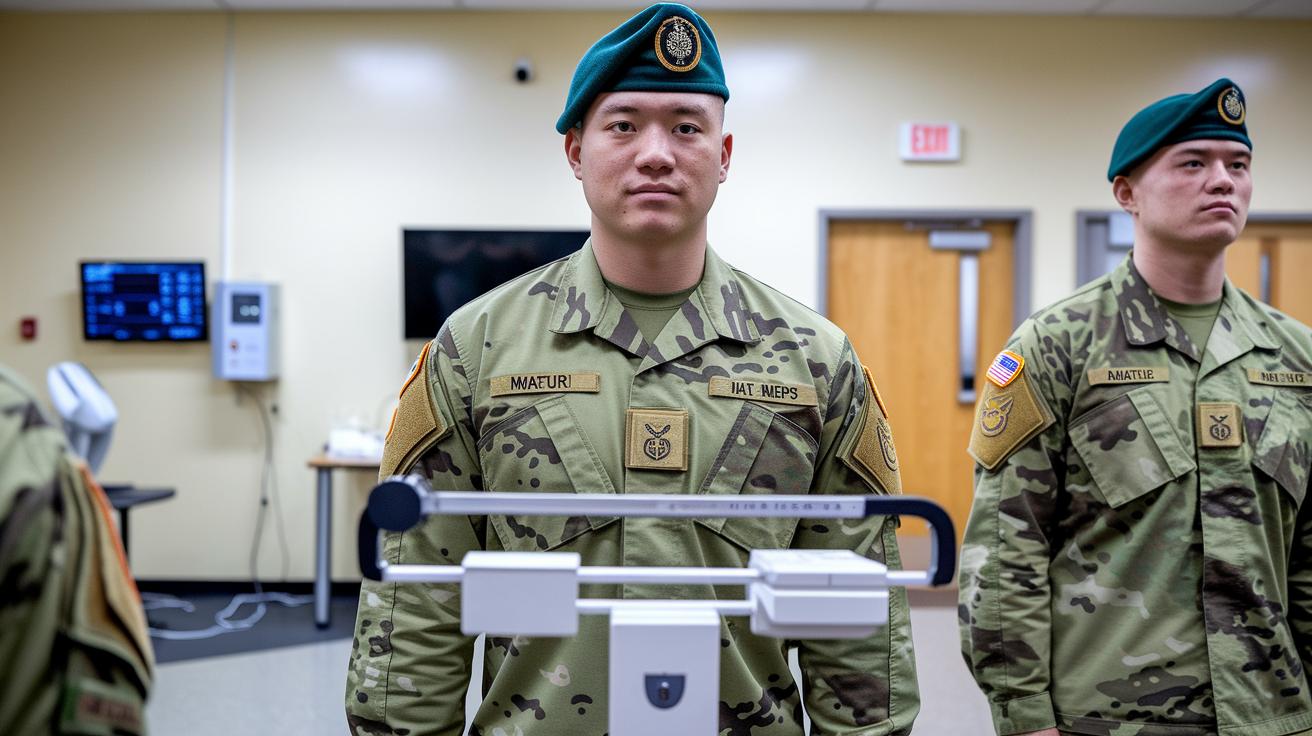
Every recruit needs to clear a full physical exam at MEPS (Military Entrance Processing Stations) to prove they’re healthy and ready for duty. You’ll go through tests that check your weight, heart health, and strength. Think of it like a boot camp pre-check; each part of the exam gets you ready for the challenges ahead.
Each military branch might add its own extra tests. Some branches, for example, may use extra stamina drills or detailed heart tests that match their day-to-day missions. It’s a smart idea to talk with your recruiter for the newest guidelines and tips on how to prepare. Their advice can help you meet the specific physical standards for the branch you want to join.
Background and Security Screening Updates in the Military Exam Eligibility Criteria Update
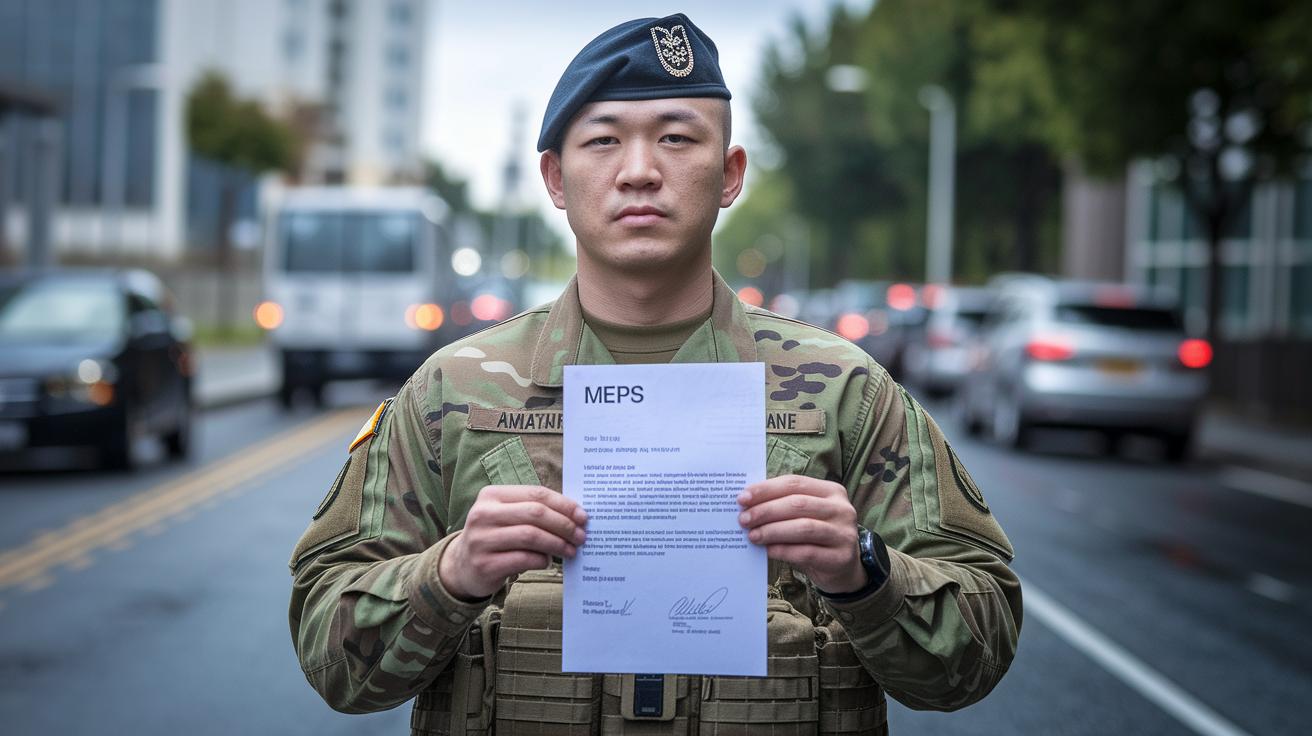
MEPS now runs full background checks on all applicants. They look at criminal records, legal issues, money problems, and overall good behavior (ethical conduct expected). Applicants need to be honest about everything from their past, just like a drill where every missed step is reported to keep things accurate.
If a candidate has several convictions or a felony, they might be disqualified. However, waivers can be granted on a case-by-case basis when there’s clear evidence of change and better behavior. Picture a soldier who shows they’ve turned things around by taking responsibility for past mistakes.
ASVAB and Entrance Test Procedure Updates in the Military Exam Eligibility Criteria Update

We've made changes to the test process to help you out. Now, the ASVAB is taken on a computer at MEPS, and you can work through it at your own pace. There are three test options available. First, there’s the standard test (ST) you take right at MEPS. Second, if you live far from MEPS, you can choose the alternative option (MET) at local test sites. And third, there’s the CEP version, which pairs the exam with free career planning tools and interest inventories.
If you need to retake the test, you'll have to wait one month before trying again. Plus, getting your new test scheduled is easier now. A service branch liaison at MEPS will check your results and help assign roles, making things run much smoother.
For more details on retakes and scheduling, check out the military entrance exam update FAQs: https://militaryaptitudetests.com?p=1382.
| ASVAB Version | Details |
|---|---|
| ST at MEPS | This is the standard computer-based exam. You get quick results and fixed scheduling right at MEPS. |
| MET at MET sites | Offered at local centers for those away from MEPS, this option helps you take the test in your area. |
| CEP career planning | This version gives you free career planning tools and interest inventories along with your exam. |
Waivers, Deadlines, and Verification in the Military Exam Eligibility Criteria Update

Applicants can ask for waivers if they face issues with age, medical conditions, or moral conduct. Each case is considered on its own, so if you have a hiccup in one area, you might still qualify with the proper paperwork. For example, if you have a documented medical problem or a past issue that’s been sorted out, a waiver could help you meet the requirements. This process gives you a chance to overcome challenges as long as you show proof of stability and improvement.
Service academy hopefuls and similar candidates must stick to strict deadlines when handing in their documents. You’ll need to submit official transcripts, test score reports, medical records, and proof of Selective Service registration by deadlines that can vary by branch. For instance, many academies require these documents by July 1. Meeting these deadlines is crucial because even a small delay might affect your eligibility. Checking every detail to verify your documents helps ensure your application meets all the new standards.
Final Words
In the action, we reviewed key changes in military exam procedures, from updated age and citizenship guidelines to revamped education and fitness standards.
We broke down the ASVAB updates, physical screenings, and revised background checks to keep selection processes clear and fair.
The overview also covered waiver options, deadlines, and document verification steps to simplify the process.
Keep these insights in mind while checking the military exam eligibility criteria update. Stay focused, stay motivated, and move forward with confidence in your path to service success.
FAQ
Q: Can I join the military at 45 years old, what is the military age limit, and how old can a woman be to join the military?
A: The military sets age limits based on the branch. Generally, enlisted roles require candidates between 17 and 42 years, with some exceptions possibly considered for prior service, regardless of gender.
Q: What are the physical requirements to join the Army and what disqualifies you from the MEPS physical exam?
A: The Army requires passing a MEPS physical that checks overall health, weight, and fitness. Failing essential medical or fitness standards during this exam can result in disqualification from service.
Q: What are the current requirements to join the military and what are the new requirements?
A: The updated eligibility criteria demand meeting standards in age, citizenship, education, physical fitness, and background checks. Verified documents and accepted test scores are essential for confirming military readiness.
Q: What are the Army requirements for females?
A: Army requirements for females mirror the overall standards for all applicants. This means meeting age, education, physical fitness, and background check criteria to prove readiness for service.
Q: How does a U.S. Army application work for foreigners?
A: Foreign nationals face restricted eligibility in U.S. Army applications. While most roles require U.S. citizenship, some branches may consider permanent residents after thorough evaluation by a recruiter.
Q: What is the new Army height and weight calculator?
A: The new Army height and weight calculator quickly checks if your body measurements meet current Army fitness standards. It gives immediate feedback and practical tips for meeting these requirements.
Q: What are the current requirements for military registration?
A: Military registration involves submitting verified documents, including educational records, test scores, and medical reports. Additionally, males aged 18–25 must register with the Selective Service system.
Q: What is the new Army Regulation 2025?
A: Army Regulation 2025 introduces updated eligibility standards covering recruitment, education, physical fitness, and security checks, ensuring that all candidates understand the latest requirements for military entry.