
Ever wonder if your workout is really getting you ready for battle? Combat fitness training isn’t like your regular gym routine. It pushes both your body and your mind in ways that prepare you for the chaos of real-life combat.
These tough drills build your strength, balance, and quick reactions. Think of doing push-ups, pull-ups, and sprints in tight circuits that copy real combat moves. Every rep helps build muscle memory (your body learning to act fast) for those split-second moments when it matters most.
Ready to dig into these battle-ready drills? Let’s break them down together.
Core Principles of Combat Fitness Training for Soldiers
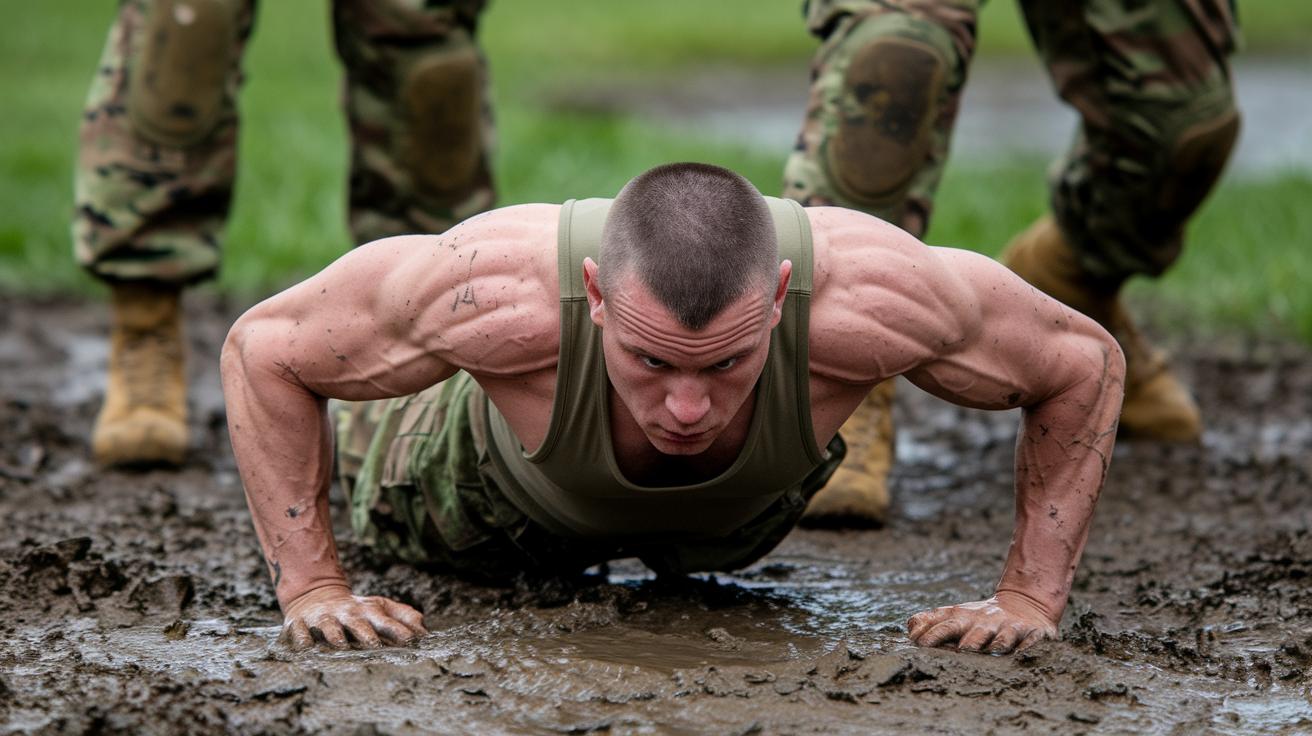
Combat fitness training is built on the idea that real strength, core stability (keeping your body steady), agility, and endurance are must-haves for the battlefield. With the ACFT now replacing the old APFT, our drills mirror true combat movements. For example, you might do a circuit of bodyweight moves like push-ups and pull-ups with short 30-60 second breaks. This type of training builds muscle memory so that complex tasks feel almost natural. Challenge yourself with these drills, as if you need to drop and do push-ups right after a quick sprint, just like in intense combat.
Military workouts push both your body and mind. When you push through a tough circuit, it’s your muscles and brain working together. Each repetition builds the skills you’ll need in real combat, and it trains you to stay calm under pressure when quick decisions are key.
Key elements of this training include:
- Strength training to lift and carry heavy loads
- Core stability to support rapid moves and sudden turns
- Agility drills that mimic unpredictable combat scenes
- Endurance to keep you going during long physical tasks
These principles mix together into a tough conditioning program that gets better with every session. Picture finishing a set of pull-ups, taking a brief break, and then going again. Every round builds confidence and sharpens the abilities you need for elite combat readiness.
Designing a Tactical Conditioning Program for Combat Fitness Training
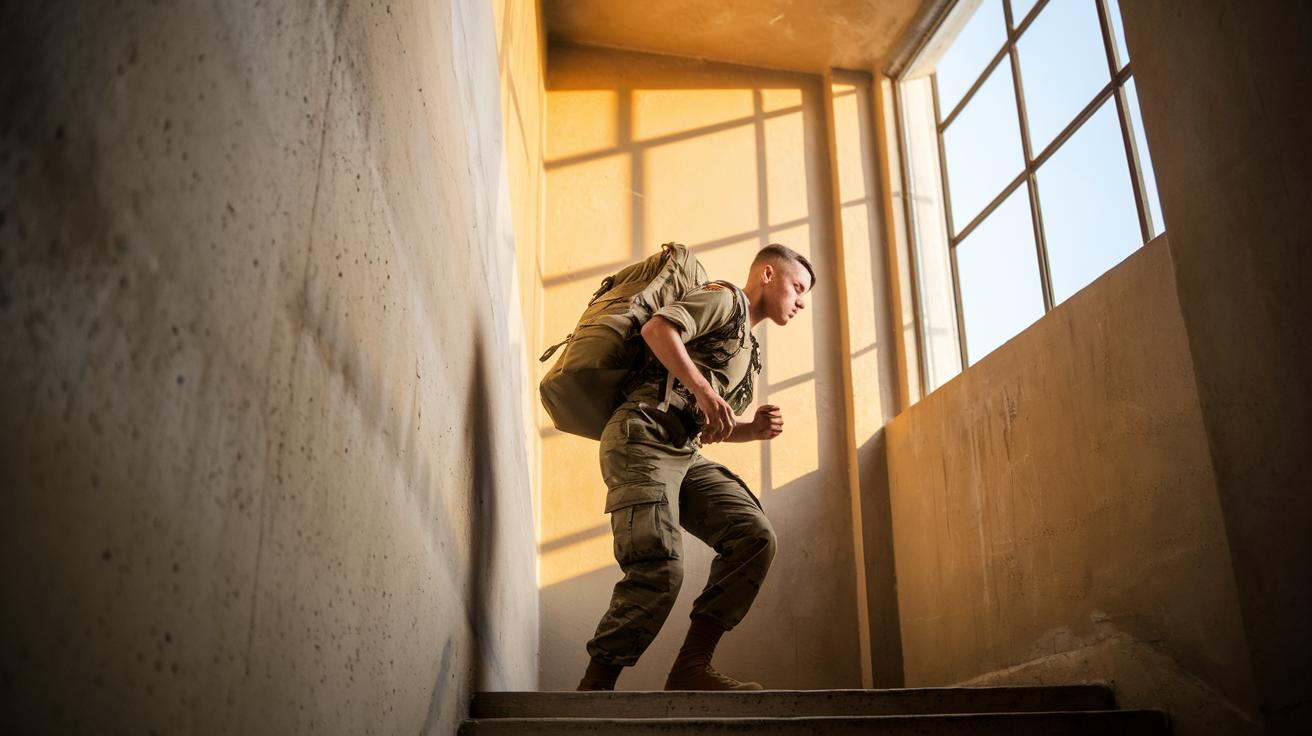
When planning your training, mix drills that simulate real missions with strength and endurance work. The Army says to start slow and ramp up steadily. Think of it like moving through different training stages, first nail the form, then add more weight or speed. For example, try a steady-paced rucksack stairs drill, marching as if you’re carrying a heavy load until your body adjusts.
Our experts design programs that match the six events on the ACFT (Army Combat Fitness Test, which evaluates your physical readiness). Each exercise mirrors a real combat task. Take deadlifts, they work your legs and back to prepare you for heavy lifting on the field. Sled drags build the explosive power you need for pushing or pulling obstacles. And remember, slowly increasing your workout helps develop solid, lasting strength.
Sometimes you might only have limited equipment. In those cases, be creative. You can use bodyweight moves, carry ammo cans, or run stairs. Here’s a quick breakdown:
| Exercise | Purpose |
|---|---|
| Deadlifts | Builds core and leg strength |
| Sled Drags | Boosts explosive power |
| Readiness Drills (stairs with rucksack, ammo-can carries) | Simulates battlefield loads and builds endurance |
These drills come together to form a solid tactical conditioning plan. Combining mission-like moves with full-body lifts prepares you for the challenges of the field. With regular practice, you can fine-tune your workouts, much like tweaking your gear before a mission. Every session should include periods for both work and recovery.
In the end, a well-structured program not only meets test demands but also gears you up for unexpected real-world challenges. Stay steady and patient, the progress you make will be as dependable as the sound of boots on parade grounds.
High-Intensity Military Workouts for Combat Fitness Training

High-intensity military workouts are all about building endurance, torching fat long after the drill, and sharpening your overall performance. These sessions rely heavily on metabolic conditioning and HIIT (high-intensity interval training, which means intense bursts of exercise followed by short rests). One coach once told me that just a few minutes of hard exercise can spike your energy for hours.
These drills usually involve circuits with only 30-60 seconds of rest between sets. This short break keeps your heart pumping and your muscles working, building stamina and slicing away extra fat. A 2020 study even showed that mixing interval aerobic and strength moves with proper nutrition boosts cardiovascular health and also keeps your mind sharp, a real asset on and off the field.
Many routines borrow moves from MMA-style drills to boost explosive power, improve body composition, and fight off fatigue. In fact, these combat fitness principles have jumped over to civilian athletic training, where athletes use similar workouts to challenge their limits.
You might try circuits with bodyweight exercises like push-ups, burpees, and mountain climbers, or add compound moves like weighted sled pushes. For a solid bodyweight HIIT circuit, check out the military bodyweight workout here: military bodyweight workout.
- Build explosive power with short, intense bursts.
- Keep moving with minimal rest.
- Train both your body and your mind.
Try adding these drills to your routine and see how a tough yet transformational workout can reshape your strength and focus.
Soldier Strength and Agility Development in Combat Fitness Training
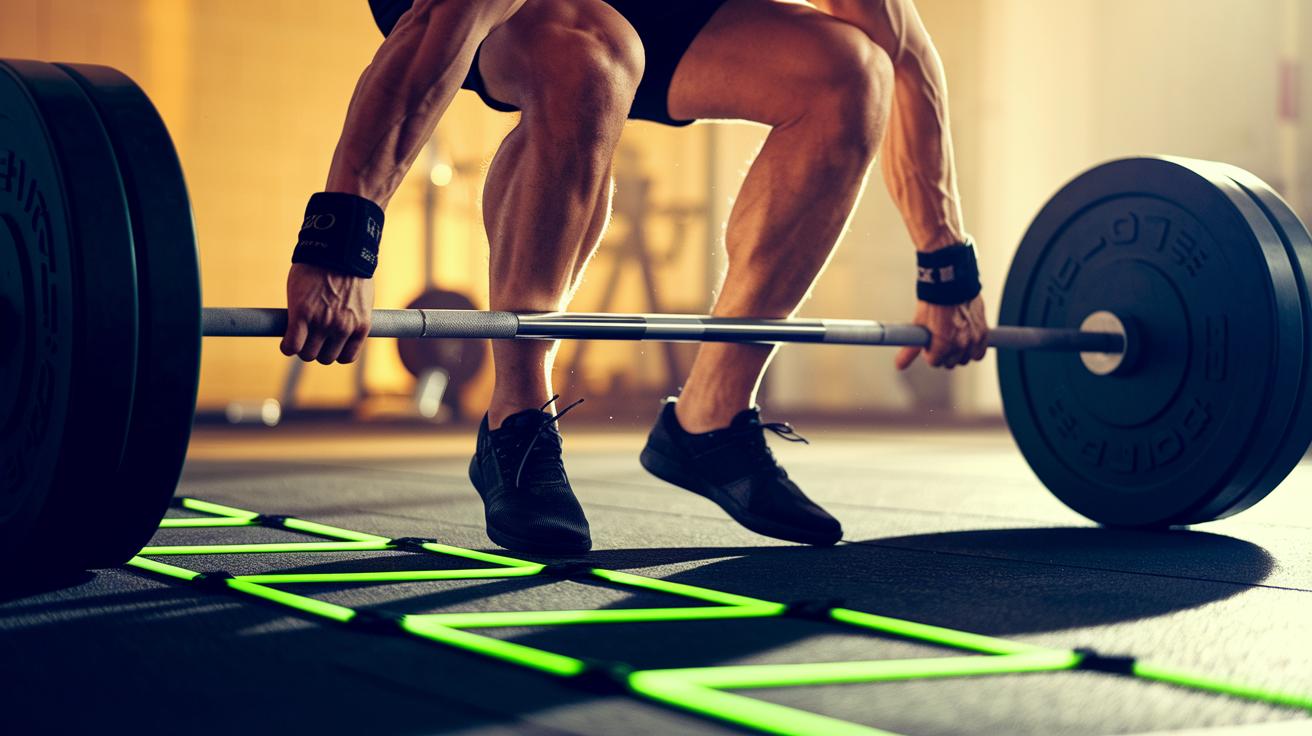
Building strength and agility is key to staying sharp in combat fitness. When you mix heavy lifts like squats, deadlifts, and presses with explosive plyometric drills, you create powerful moves and smooth transitions. A 2021 study even showed that military-style strength training helps your heart (cardiovascular health: how well your heart pumps blood) better than basic routines. Imagine finishing a deadlift and then going right into a jump squat – that flow not only builds muscle but also prepares you to handle pressure.
Agility drills are just as essential. Exercises like ladder drills, cone setups, and shuttle runs sharpen your footwork and quick reaction time. These drills mirror the unexpected moves you face out in the field, making every step count. Think of it like dodging obstacles during an intense maneuver; each quick step makes you more ready for what comes next.
Combining weight resistance with agility work turns a simple workout into a mission-ready routine. For example, after heavy presses, adding quick shuttle runs fires up your fast-twitch muscles (the fibers that let you move quickly). This mix builds overall fitness while matching the varied physical challenges soldiers face. The end result is better stability, increased power, and a complete conditioning routine that gets you ready for anything on the battlefield.
Battlefield Endurance Techniques and Recovery in Combat Fitness Training

Long-distance rucks, loaded marches, and multi-mile runs with weight get straight to the heart of true battlefield readiness. They push you hard, building up both your body and your mindset. Picture yourself with a heavy pack on, trekking over rough ground. Every step builds your leg strength and clears your head for the challenges ahead.
Recovery matters just as much as the hard work. After you’ve pushed yourself to the limit, good food (fueling your performance), solid sleep, and proper rest days help your muscles bounce back and avoid overuse. A sports massage, for example, can ease the soreness and cut down injury risks, so you’re always ready for the next drill.
Key recovery benefits include:
- Improved muscle repair and less soreness
- A stronger immune system to keep fatigue at bay
- Steady energy levels for long-term readiness
By balancing those tough endurance workouts with smart recovery, you stay in prime shape, both physically and mentally. This approach cuts down the chance of injury while ensuring you're always mission-ready.
Simulation Exercises and Operational Performance in Combat Fitness Training
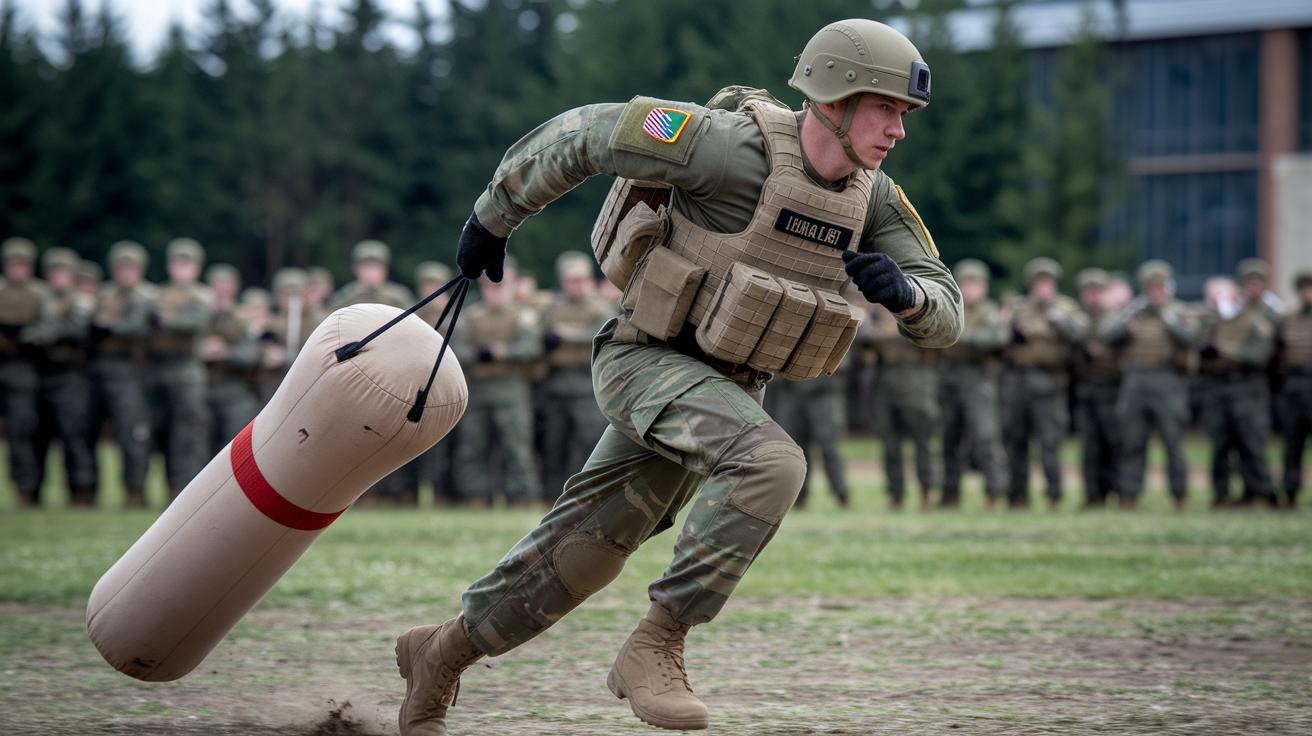
Simulation drills are a key part of combat fitness training for soldiers. These exercises copy real combat tasks like sprint-drag-carry, casualty drags (rescuing injured teammates), and obstacle navigation. Picture yourself in a drill: you sprint, quickly drag a dummy teammate, and move through a series of obstacles while your heart pounds. This routine mimics the physical and mental challenges you face on the field.
Every ACFT event (deadlift, power throw, sprint-drag-carry, push-ups, leg tuck or plank, and the two-mile run) needs careful practice. Tactical conditioning specialists design training plans that focus on each move so every drill sharpens the skills needed in the field. For example, when practicing the sprint-drag-carry, soldiers push themselves under strict time limits with minimal rest. This fast-paced workout builds strength and the endurance needed for long, tough missions.
Team exercises also play an important role. Drills like stress shoots and coordinated squad movements build unity even when you're tired. When the team works together under pressure, you build clear communication and trust, which are essential during real-world operations. Imagine pulling off a perfectly timed squad maneuver where everyone relies on one another to get the job done.
By mixing simulation drills with focused event practice and team exercises, soldiers develop the discipline and toughness required for combat and the ACFT. This balanced training approach boosts performance on an individual level and strengthens group cohesion on and off the field.
Bodyweight Routines and Functional Strength Regimens for Combat Fitness Training
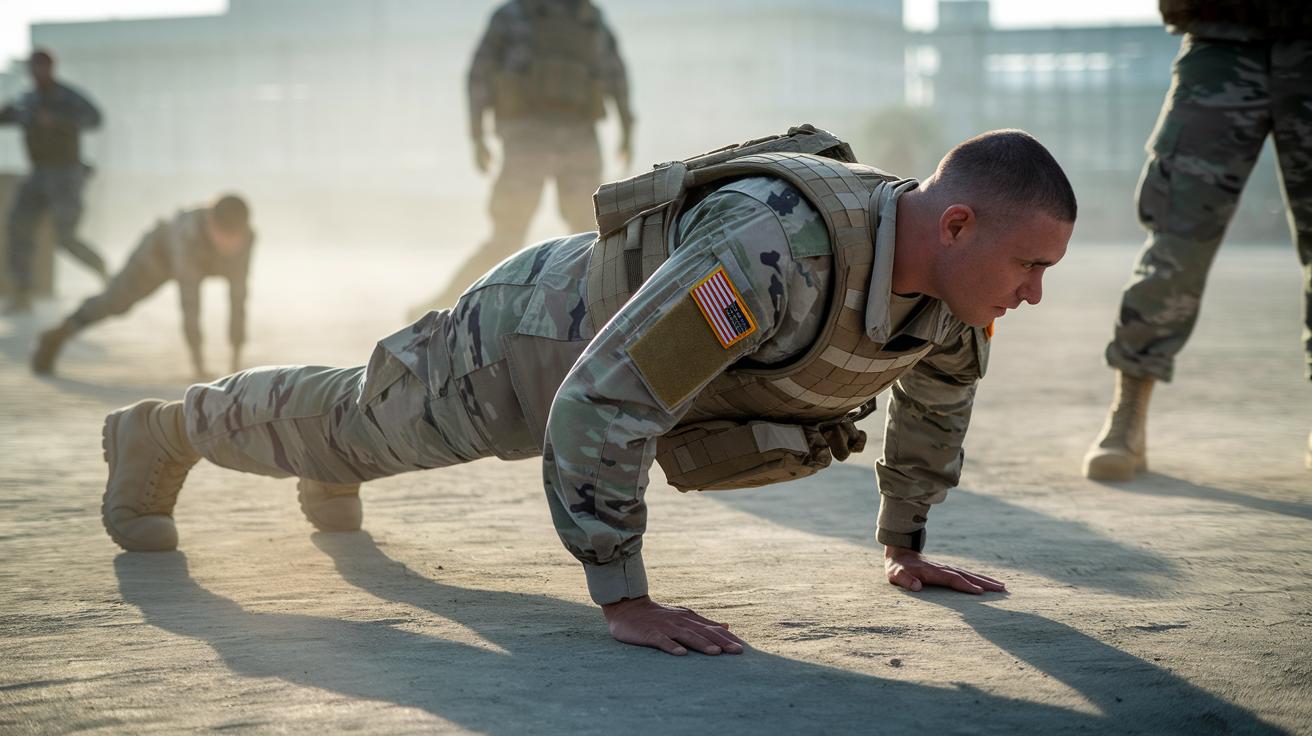
Soldiers boost their strength using workouts that rely on their own body weight. Exercises like push-ups, pull-ups, burpees, and mountain climbers are done with short breaks. Here’s a cool fact: before joining, one recruit finished a 50-second push-up challenge with hardly any rest, every moment really counts.
Core exercises like planks and twist-blocking presses (they help control your body when it moves) keep you steady during heavy carries or sudden turns. When you mix these moves with compound lifts (exercises that work multiple muscles) and lively drills, you create a workout that feels a lot like real mission tasks.
When gear is limited, you can still get tough by using your own body or makeshift resistance. This smart, flexible approach builds real strength and gets you ready for any surprise challenges.
- Bodyweight circuits (push-ups, pull-ups, burpees, mountain climbers)
- Core stability exercises (planks, twist-blocking presses)
- Combined workouts with compound lifts and dynamic drills
- Improvised resistance when equipment is scarce
Imagine turning an empty field into your personal training ground, where every move builds combat-ready strength.
Final Words
In the action, we stepped through core principles that build solid strength, agility, and endurance. The blog detailed adaptive routines like bodyweight circuits and simulation drills that bring real-world combat tasks to life. We broke down tactical conditioning programs, high-intensity workouts, strength routines, and recovery techniques. Each section shows how everyday exercises and rest strategies foster readiness. Keep training hard, and trust that every session brings you closer to mastering combat fitness training for soldiers.
FAQ
Combat fitness training for soldiers pdf
The combat fitness training for soldiers PDF outlines training routines that build strength, agility, and endurance, offering practical guidelines for preparing for field conditions.
Combat fitness training for soldiers free
Finding free combat fitness training for soldiers resources gives you access to sample workouts and guides that help improve core stability, strength, and overall readiness without charge.
Best combat fitness training for soldiers
The best combat fitness training for soldiers combines strength, endurance, and agility drills that mimic real-life battlefield tasks, preparing you for quick and effective performance on duty.
Army Fitness Test scoring
The Army Fitness Test scoring system provides a clear breakdown of performance in various events, such as push-ups and runs, to gauge a soldier’s physical readiness and overall fitness level.
Combat Fitness Test
The Combat Fitness Test measures strength, power, and endurance with exercises that simulate field tasks, giving you a focused assessment of your combat readiness and physical capability.
Army fitness test (AFT)
The Army Fitness Test (AFT) evaluates overall physical ability with a series of exercises designed to test core stability, strength, and endurance for mission readiness.
Army Combat Fitness test
The Army Combat Fitness Test (ACFT) is designed to assess a wide range of physical abilities, including deadlifts, sprints, and power throws, reflecting the demands of modern combat scenarios.
Army AFT score chart
The Army AFT score chart displays performance ranges and point assignments for each test event, helping you track progress and meet required physical standards for active duty.
How to train for army combat fitness test?
Training for the Army Combat Fitness Test means focusing on a balanced mix of strength, endurance, and agility workouts as well as practicing each event to build consistency and muscle memory.
What is the 5 4 3 2 1 training method?
The 5 4 3 2 1 training method structures activities by reducing reps or intensity in stages, which builds stamina and improves your ability to handle progressive physical stress.
What are the 12 Army dozen exercises?
The 12 Army dozen exercises cover a variety of movements that work different muscle groups, forming the core of military workouts designed to enhance overall combat fitness and readiness.
How to train to be combat fit?
Training to be combat fit involves regularly practicing bodyweight circuits, strength exercises, and endurance drills that build agility, stability, and overall physical performance on the field.