
Ever wonder if your regular gym workout really gets you ready for the heat of combat? Our soldier strength and conditioning program pushes you hard with exercises that feel like real-life challenges. Picture yourself hoisting heavy weights, running brisk sprints, and marching with a full loaded pack , all to build solid muscle and endurance.
This program mixes raw strength training with field-ready stamina. It's built to equip you with the power to tackle any mission, whether you're on the field or off duty. Have you ever felt that rush when you know you're prepared? That's what we're aiming for.
Soldier Strength and Conditioning Program: Peak Power
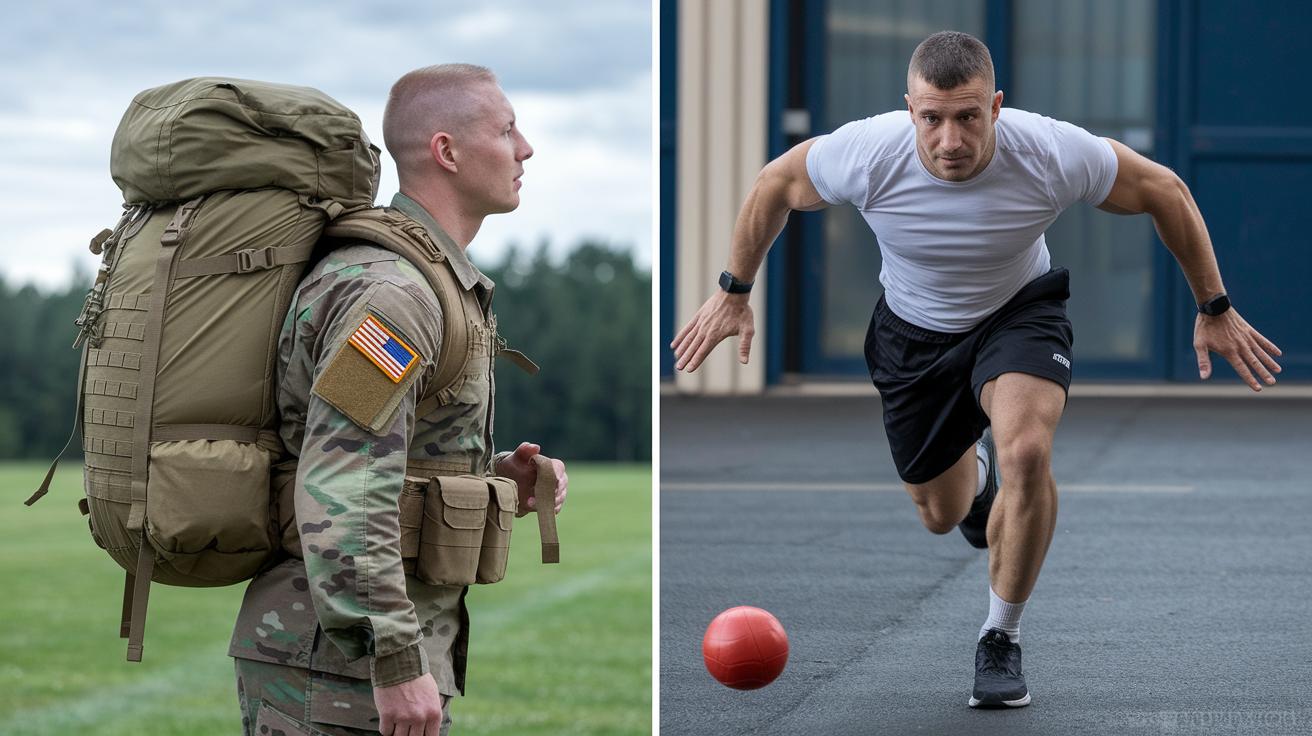
This soldier training program is split into two clear templates. One plan builds your strength foundation while sharpening your overall fitness for the field, and the other ramps up your endurance. In the strength plan, you’ll hit four weightlifting sessions each week, throw in two runs, and finish with one dedicated rucking session. These workouts focus on compound lifts and set-weight tasks, like hefting an 80 lb rucksack, carrying logs, or even moving a boat. On the flip side, the endurance plan offers two full-body strength sessions, one calisthenics day, three running days, and a mix of low-impact cardio with a ruck day. Both plans push you to your limits to keep your body ready for anything on the battlefield.
- Barbell back squat
- Pull-up circuits
- Interval runs
- Ruck marches
- Calisthenics drills
- Non-impact cardio day
Every workout is planned to mix real tactical load handling with the everyday needs of a soldier. For example, doing barbell back squats doesn’t just build your leg and core power, it mirrors the strength you need when you’re shouldering heavy gear on a mission. Pull-up circuits help boost your upper body power which is key for quick moves and handling equipment. Interval runs get your heart pumping for those moments when you need a burst of speed. Ruck marches mimic the long days of carrying gear across tough terrain, and calisthenics drills sharpen your body control for fast, precise actions. Finally, a day of non-impact cardio helps you recover while still building up your endurance. Each session is a step closer to achieving true combat readiness and peak power.
Periodized Phases in Soldier Strength and Conditioning Program
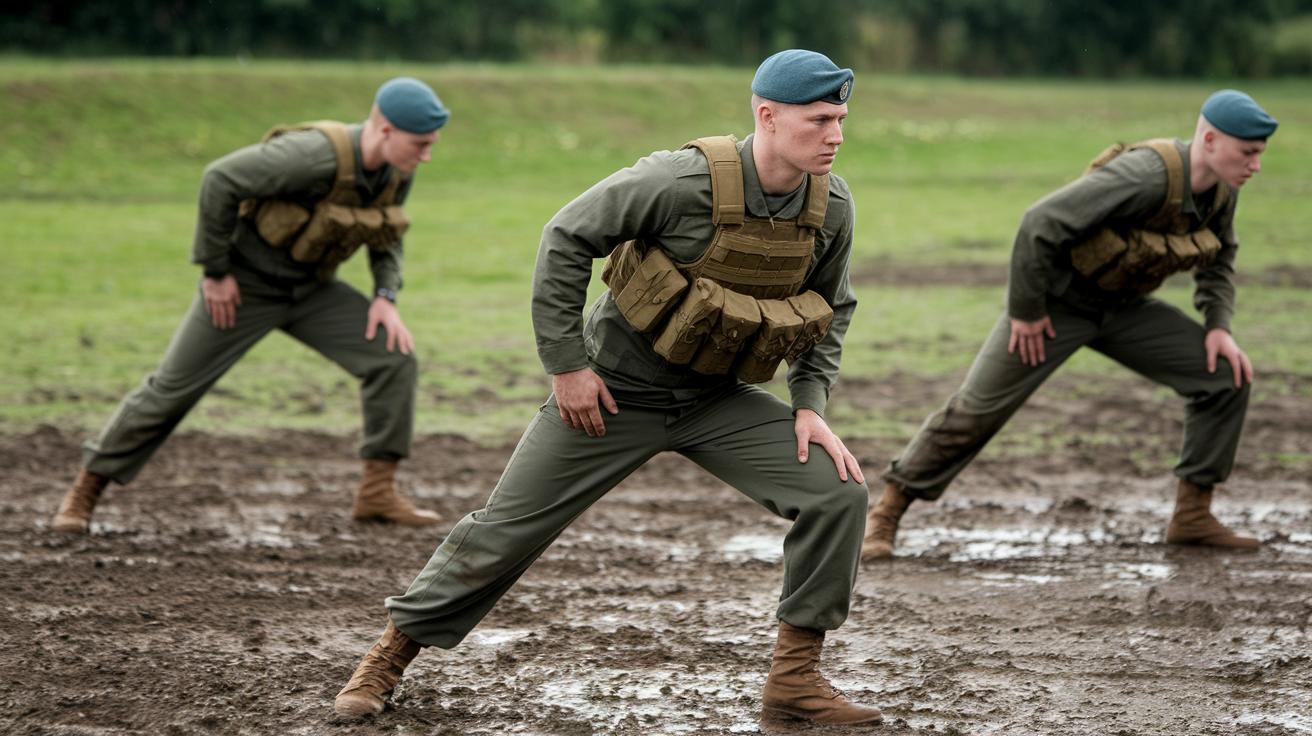
Think of a periodized training plan as a series of tactical drills, each one getting you closer to battle readiness. First, you work steadily to build a strong foundation, improving your overall strength and boosting your aerobic endurance while fixing any weak spots. Next, you shift to mission-specific drills that put you in the right mindset for the tasks ahead.
Then comes the peak period, where the training intensifies. Here, you focus on hitting your goal paces and handling heavier ruck loads, pushing your performance to its limits. Finally, in the last eight weeks, you maintain all you've built with steady lifts, timed runs, and targeted ruck marches. Each phase sets you up for the next, much like progressing through real operational stages on a mission.
| Phase | Duration | Focus Areas |
|---|---|---|
| General Prep | >6 months | Overall strength, aerobic base, weakness correction |
| Selection Prep | 3–6 months | Mission-specific drills, tactical readiness |
| Peak Phase | 2–3 months | Goal pace training, intensified ruck loads |
| Final Weeks | 8 Weeks | Maintenance lifts, goal-pace runs, selective ruck marches |
Soldier Strength Training Workouts for Power Development

Compound lifts form the base for building power in the field. Exercises like barbell back squats, deadlifts, bench presses, military presses, and barbell thrusters work quickly to boost your strength. They hit several muscle groups at once and mimic the heavy loads you might carry on a mission. These moves are the backbone of combat weight training and military muscle building. For more detailed guides on these movements, check out the military functional training exercises page at https://militaryaptitudetests.com?p=1523.
Each week, you can split your workouts by focusing on upper and lower body exercises or by alternating push and pull sessions. This approach helps keep your focus sharp and prevents you from overworking one muscle group. One session may target legs and shoulders, while the next hones in on chest and back. This kind of schedule fits well with tactical circuits and builds on each session, contributing steadily to your overall combat readiness.
Certain exercises boost both power and stability. Barbell back squats build strength in your legs and core, which is essential for holding your position under pressure. Deadlifts strengthen your grip and lower body power, while bench presses and military presses work on the upper body strength needed for carrying heavy loads. Barbell thrusters mix a squat with an overhead press, offering a full-body workout to enhance power. Plus, basic bodyweight moves like push-ups, pull-ups, and dips help improve endurance and support the heavier lifts.
Sometimes you may need modifications to stay safe while still pushing your limits. Assisted pull-ups or knee push-ups can be great alternatives when the standard version feels too tough. Using lighter weights for deadlifts or bench presses can also help prevent injury, especially when you’re feeling spent. Keeping a simple log of your sets, reps, weights, and even heart rate can make it easy to track progress and adjust your training for the best performance.
Soldier Combat Conditioning Regimen: Endurance, Running, and Rucking

This workout plan is built to boost your endurance with a mix of running and low-impact cardio, challenging your aerobic system in a way that feels both practical and tough. You'll switch between three types of runs: quick intervals to send your heart rate soaring, steady tempo runs for that solid, ongoing effort, and long, slow distance runs to create a strong endurance base. Then, there’s a day set aside for gentle cardio paired with a ruck (that’s when you carry weight in a backpack) to keep your combat fitness sharp without overloading your joints. Every session is done with maximum effort so you’re always prepared for the real demands out there.
The running sessions come with clear pace goals to match high military standards. For example, you'll aim to finish a 5-mile run in 37 minutes, a target that builds both your speed and your aerobic strength. In interval training, you give it your all in short bursts followed by quick recovery breaks, while tempo runs require holding a steady and challenging pace. Those long, relaxed runs are all about steadily increasing your stamina, ensuring you can handle prolonged activities without fading.
The program also focuses on rucking techniques as a key part of your overall conditioning. On the designated low-impact cardio day, you take on a steady ruck to mimic the real load-bearing tasks you might face. The goal is to complete a 12-mile ruck at a 13-minute pace per mile, closely matching the physical demands of hauling heavy gear. This approach not only builds strong load endurance but also provides a safer way to give your joints some recovery. And if you’ve got a cross-country background, you can tweak the routine to focus more on boosting your extra strength.
Injury Prevention and Recovery in Soldier Conditioning Program

When you train hard every day, you might start feeling pain like shin splints, IT band trouble (pain on the side of the leg), or shoulder aches. These problems can slow you down and keep you from reaching your highest potential. Even small aches can turn serious if you keep pushing without a break. So, keep an ear out for your body’s hints, like joint or muscle pain, and act fast to avoid setbacks.
A good way to dodge these injuries is to add about four rest days into your training cycle. Mix in some mobility drills, foam rolling, and dynamic stretching. These moves help ease out muscle soreness and get your body moving smoothly again, keeping you on track with your challenging soldier conditioning program.
I like to keep a detailed training log and watch my heart rate variability (the time gap between heartbeats) to tell when I need a break. Recording my sets, reps, and recovery details along with HRV data gives me a clear picture of my fatigue levels. This approach lets you adjust your workouts on the fly, prevent overtraining, and stay battle-ready for every mission ahead.
Soldier Performance Metrics and Combat Readiness Drills

Some key benchmarks, like a 5-mile run in 37 minutes or a 12-mile ruck completed at 13 minutes per mile, give you clear markers to check your progress. These numbers help you see how your current performance stacks up against your targets. Think of it this way: beating the set time on your run gives you a real, measurable goal each week.
Combat readiness drills go further than just physical fitness, they mimic real field tasks to pull out useful data. Instead of only repeating standard exercises, these drills capture important details like obstacle course times or speeds during log and boat carries. You might notice, "Watch how your time drops on each trial," pointing out areas that could use a little extra focus.
Tracking your progress with weekly time trials and performance logs makes it simple to review your strengths and spot where you can improve. Recording finish times, weights moved, and repetition counts gives you personalized feedback that sharpens your training. A soldier might say, "My log carry improved by 15 seconds this week," which clearly shows how your efforts are paying off.
Customizing the Soldier Strength and Conditioning Program

Keep a close eye on your workout log. Write down your sets, reps, weights, and recovery details every day so you can spot trends in fatigue and performance. For example, after a heavy lift, note if you’re still feeling sore or if your sleep was off. That info lets you decide if you need to tweak your weights or cardio exercises.
Tailor your routine based on what your body tells you:
- If you’re an endurance athlete and your recovery seems slow, try easing up on the cardio for a bit while slightly increasing your weight training.
- If strength is your thing, you might add a short burst of low-impact cardio on days when you’re feeling extra strong.
- Review your workout log each week to see if you need a lighter day or more rest.
Small changes like these help you fine-tune your overall program and boost your personal performance.
Final Words
In the action, we've detailed the dual-template approach, combining strength and endurance, to build robust soldier skills. The blog post outlined key physical drills and progress tracking through a soldier strength and conditioning program.
• Barbell back squat
• Pull-up circuits
• Interval runs
• Ruck marches
• Calisthenics drills
• Non-impact cardio day
Each session blends tactical load handling with core battle readiness drills. Keep moving forward with determination and focus, you’ve got what it takes for mission success.