
Ever thought your words could be your secret weapon in the field? Many folks believe verbal reasoning is just about knowing a lot of words, but it can actually help you pick the job that suits you best. This guide is like a step-by-step drill to boost your skills, especially for tests like the ASVAB (a test that helps figure out your best military job).
Think of it as training your mind to pick up on important details during a fast-paced mission. You know that feeling when everything clicks? Get ready to sharpen your reading and reasoning skills so you can score high and step confidently into your next role.
Core Concepts in Military Verbal Reasoning
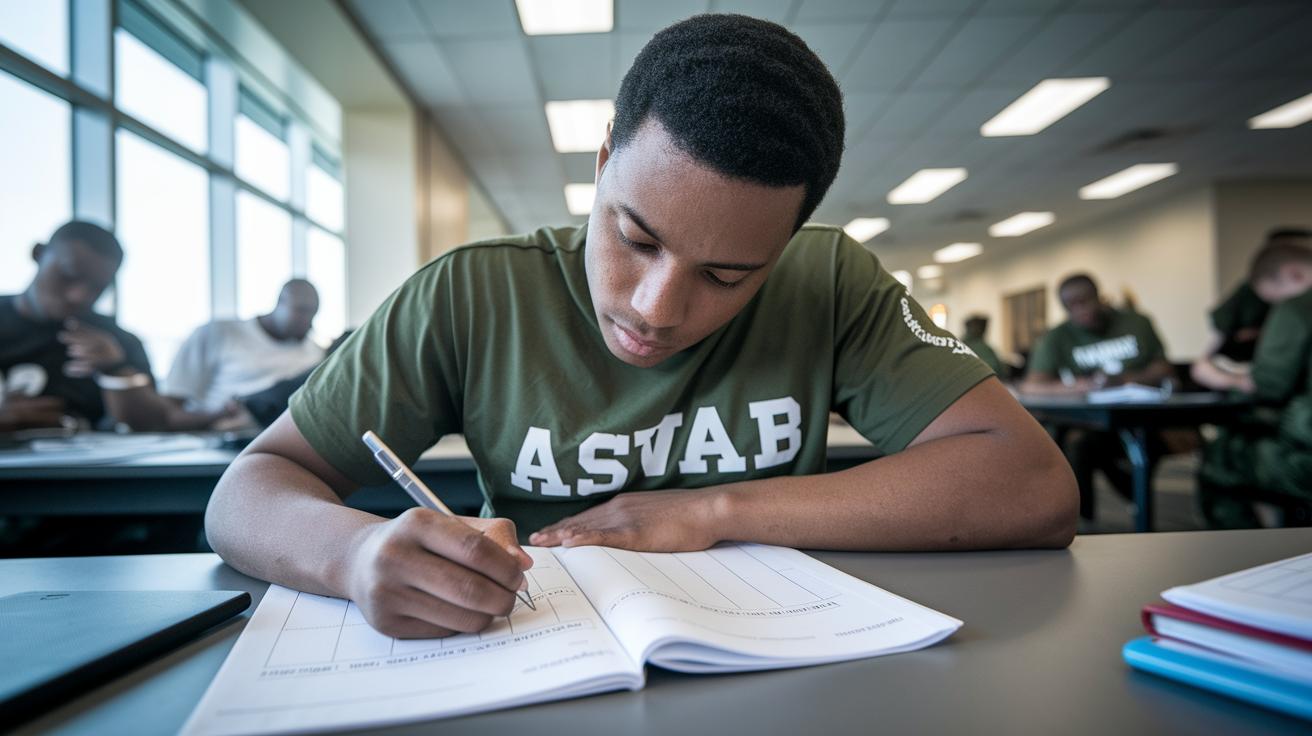
Military verbal reasoning is a key tool that shows how well a candidate can understand, break down, and make sense of written material. In exams like the ASVAB, parts such as Word Knowledge and Paragraph Comprehension test your ability to pick up on word meanings, spot the main ideas, and even gather clues from passages. These skills don’t just decide if you’re a good fit for service, they also help decide which military jobs suit you best. With the ASVAB given at over 14,000 schools and military centers, having strong verbal skills is as crucial as being good with technical tools. Think of it like the sturdy bridge that supports clear communication and smart decisions on the field.
About 70% of test-takers choose the CAT-ASVAB. This computerized test adjusts the questions to fit your performance (it tailors the difficulty level so you’re neither under-challenged nor overwhelmed). By matching questions to your ability, it gives a fair look at how your verbal skills are growing. The test mixes clear passages, well-chosen words, and smart, thoughtful questions. When you sharpen these skills, you not only boost your confidence but also set yourself up for a range of military roles where a clear mind and solid reasoning can make all the difference.
Developing Reading Comprehension Strategies for Military Exams
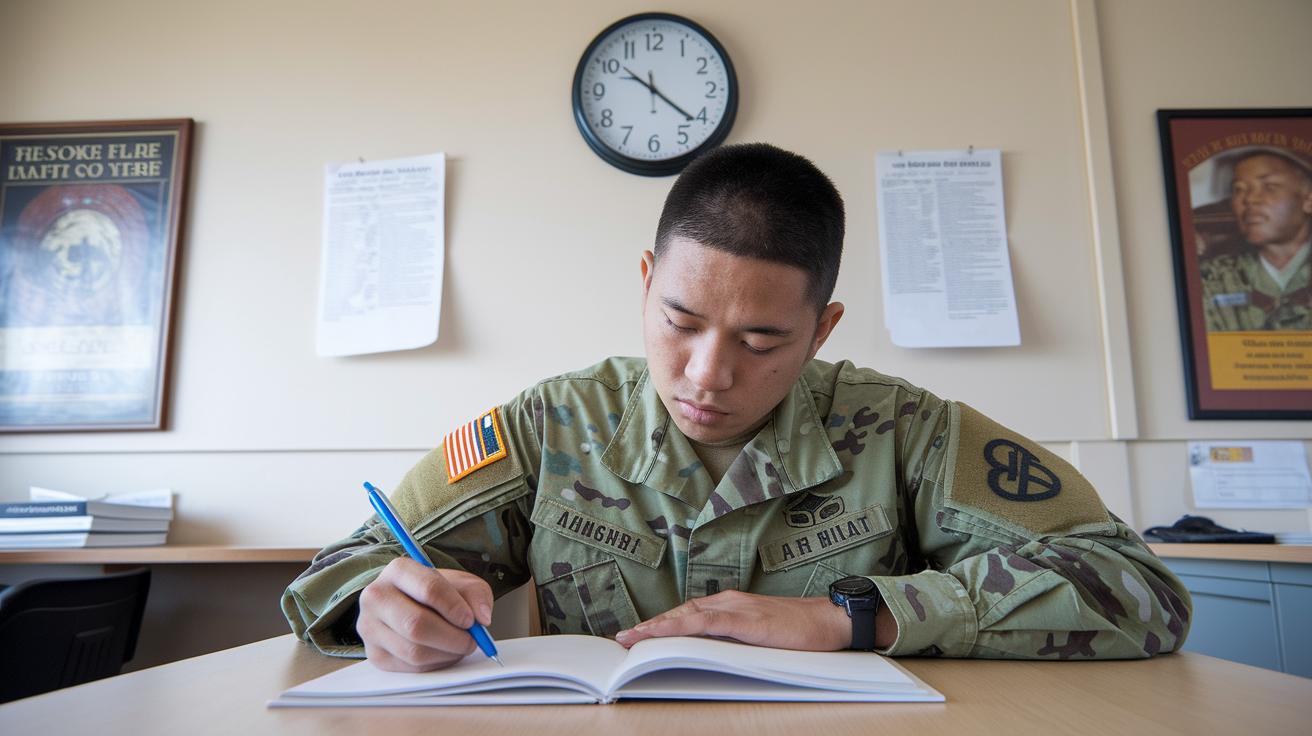
Military exams sometimes throw challenging passages your way, asking you to think fast, spot the main idea, and pick up on subtle clues. These tests feature military-style texts where time is of the essence. When you're under exam pressure, you need to quickly sort out key points from red herrings meant to distract you. It’s not just about understanding the basics, it’s about reasoning quickly on the fly.
To sharpen your skills, try these reading tactics:
- Skim the text to get a quick feel for the overall message.
- Highlight keywords that point you toward the main idea.
- Take a brief pause to consider what the passage is really saying.
- Keep an eye out for any obvious tricks in the wording.
- Practice with a timer to build your knack for quick analysis.
Free online verbal reasoning tests can be a real help here. They offer clear feedback and let you see how you measure up against others, so you know exactly where to improve. Using these strategies during your reading sessions can help you cut through tricky distractions and boost your accuracy. You might also want to check out extra guides on improving reading comprehension for military exams. These methods make your practice sessions more structured and reliable, even when the pressure is high.
Tactical Vocabulary Building for Military Verbal Reasoning

A solid vocabulary is key for military verbal reasoning. The Word Knowledge subtest checks how well you recognize similar and opposite words, which gives a clear picture of your language skills. Using exercises like writing sentences in context or flashcards can really help you remember military terms better. These techniques not only strengthen your vocabulary but also help you review language structures, making it easier to figure out technical texts and follow orders while under exam pressure. Mixing up your study tools gives you a real edge and builds your confidence for test day.
| Technique | Purpose | Example |
|---|---|---|
| Flashcards | Build quick recognition of similar or opposite words | Word on one side, meaning on the other |
| Contextual Sentences | Show how words are used in a military setting | Include them in sample orders |
| Synonym Drills | Widen your word bank | Match words with similar meanings |
| Antonym Exercises | Enhance your understanding of opposites | Identify contrary words in practice tests |
Add these methods into your daily study routine and consider using online tools for exam readiness at (https://militaryaptitudetests.com?p=2010) which offer digital vocabulary platforms. This focused approach not only builds your word bank, but also gears you up for all the different words you might face on test day. With regular practice, you'll build a solid foundation to handle exam pressure and improve your overall verbal skills for military service.
Military Practice Drills to Master Verbal Reasoning

Practice tests crafted by experts mirror the real exams used by military recruiters. They use ideas from occupational psychology (the study of how people work best) to create a setting that feels just like the real deal. You get to feel the pressure and timing of test day as if you were out in the field.
Running drills that simulate actual test conditions is a proven way to hone your skills. When you set up these mock exams, you receive clear feedback on your performance and track your progress over time. You can even compare your scores to norm groups (typical test-taker averages) to see where you stand. For more on this approach, check out simulation test strategies for military exam practice. This strategy not only boosts your confidence but helps you focus your efforts on areas needing extra work.
Regular practice drills give you quick, useful insights into your exam readiness. The feedback shows which parts you ace and where you might be falling behind. By testing yourself in a realistic setting over and over, you steadily improve your speed and accuracy. Before you know it, the exam will feel like a familiar warm-up, readying you to perform at your best when it truly matters.
Strategic Study Plan Framework for Military Verbal Aptitude

Start planning your study schedule at least two months ahead. This gives you plenty of time to lock in your verbal reasoning skills before exam day. Break your study time into weekly goals focused on Word Knowledge, Paragraph Comprehension, and the other key parts of the test. Instead of long, tiring sessions, plan several short, focused drills each day. Throw in a few sample tests to boost your speed and accuracy, and mix in routine vocab reviews and passage strategies that mimic a timed test situation. And remember, since the ASVAB won’t let you use a calculator, spend some time practicing arithmetic by hand to build your confidence.
Now, set specific targets for each week. Breaking the material into small, clear tasks keeps it manageable and helps prevent burnout. A balanced study routine that rotates between different verbal tasks strengthens your recall through repetition. Check out online resources or grab a daily schedule from sites like this one: personalized strategy frameworks for military exam success. By tracking your progress as you go, you'll easily spot areas that need extra review. This organized, step-by-step plan boosts your verbal skills and builds your overall exam readiness, getting you ready to face test day with confidence.
Time Management and Exam Day Tactics in Military Verbal Tests

When you step into the exam room on test day, it’s important to keep a steady pace. The CAT-ASVAB gives you only half the time of the paper test, so plan to move briskly but don’t rush so much that you miss a detail. Before the day comes, get familiar with the test flow so you know what to expect and can stay calm and focused.
On exam day, create a distraction-free spot much like setting up your gear before a drill. Check out the essential do's and don'ts on military test day (click the link above) to sharpen your strategy. Keep an eye on the clock without letting it take over; if a moment of pause helps you reset, take it. Also, use any waiting time between attempts to catch your breath and ready yourself for the next round.
Final Words
In the action, we broke down core verbal reasoning concepts and practical exam strategies. We touched on reading comprehension, vocabulary drills, and realistic practice scenarios to sharpen your approach. A focused study schedule and proper exam-day tactics round out the plan. This article serves as a military verbal reasoning study guide that guides you step-by-step through your preparation. Every tip you applied today builds your confidence and readiness. Keep pressing forward, you’re gearing up for success on your next assessment.