
Have you ever thought a quick break with some light exercises could boost your strength on the field? Active recovery isn’t about stopping altogether. It’s about moving smartly so your muscles stay ready and don’t get too tired.
Picture it like a brisk march in between drills that recharges your body. In this brief, I’m sharing three simple active recovery techniques. They help clear away muscle waste, bring in fresh oxygen, and build your endurance.
So, are you ready to see how a few easy moves can keep you strong both on and off the field?
3 soldier active recovery techniques for military strength
Active recovery means keeping soldiers on the move with some simple, low-key exercises. These easy drills boost blood flow (helping clear out waste and bring in fresh oxygen) while ensuring your muscles get the nutrients they need, like a short, brisk march that lets you recover without slowing your readiness.
A solid night’s sleep, around 7 to 9 hours, works hand in hand with these recovery moves. When you combine quality rest with light exercises like leg swings or arm circles, you're not just stretching out stiff muscles; you're also boosting your endurance and mental resilience. A fit body recovers fast, and that’s key on the field.
Even a quick session of low-intensity movement, such as a relaxed stroll on the parade ground, can make a big difference. It’s similar to catching a refreshing breath of air between drills. All in all, these active recovery techniques help restore your strength, keeping you ready for the next challenge.
Active Recovery Exercise Formats for Field Performance

When you're out in the field, a set of simple, easy exercises can work wonders for your muscles without putting too much strain on your body. Think of using light bands or light weights for resistance training. The goal here is to focus on smooth, proper movements rather than lifting heavy loads. This method not only helps with recovery but also supports steps to avoid injuries. Plus, adding low-impact cardio, like cycling, swimming, or a 30–45 minute walk on an incline treadmill, gives your muscles a good stretch and boosts blood flow, which is crucial for bringing fresh oxygen and nutrients back into your system after tough workouts.
Another neat trick is to add unilateral drills (that means working one side at a time) to fix any muscle imbalances. These drills sharpen your stability and coordination, which are key when you need to perform at your best. And don’t forget activities like hiking or long marches. They keep you physically active while your mind stays alert even during rest.
Below is an HTML table listing six exercise formats you can rotate on your recovery days:
| Exercise Format |
|---|
| Resistance-band circuits |
| Bodyweight core flow |
| Incline treadmill walks |
| Unilateral leg drills |
| Long-distance marches/hikes |
| Low-impact pool sessions |
These active recovery routines act like a reset for your body. They help you stay flexible, reduce muscle strain, and keep you ready for the next challenge, all while giving you a well-deserved break from high-intensity drills.
Mobility Enhancement Methods in Soldier Active Recovery
After a hard drill, soldiers can use simple mobility techniques to relieve muscle tension and keep their joints strong. Try holding static stretches for your hamstrings, quads, calves, and hip flexors. When you stretch your hamstrings, hold the position for a few seconds until you feel a gentle pull, kind of like the steady progress of a field drill.
Dynamic stretches are just as important. Incorporate moves like leg swings, arm circles, and hip openers right after your workout. These drills keep your range of motion wide and prepare your body for the next mission. A quick 10–15 minute session of these dynamic moves can make a big difference in keeping your muscles flexible and stopping stiffness.
Using regular mobility circuits is like performing a maintenance check on your body. They help keep every joint running as smoothly as a well-oiled machine. Stick to these techniques during your active rest times and you'll stay agile, ready to face any challenge on the field.
Nutritional and Hydration Recovery Strategies for Soldiers

Balanced meals are key to helping you bounce back after a tough workout. After a demanding drill, your body craves lean protein, carbs, healthy fats, and essential vitamins and minerals. Think of a meal with grilled chicken, brown rice, steamed veggies, and a bit of avocado as your repair team, giving you about 1.6–2.0 grams of protein per kilogram of body weight to help fix those muscles.
On your rest days, planning your meals ahead of time is a smart move. When you prep extra meals, you keep your portions in check and ensure you’re getting the right balance of nutrients to keep your energy high for the next mission.
Staying hydrated is just as important. For every hour of training, aim to drink about 0.5 to 1 liter of water. This simple habit helps ward off cramps and heat exhaustion while keeping your mind sharp. Also, try to grab a post-workout snack that mixes carbs with protein within 30 minutes. This quick bite refuels your body by replenishing lost glycogen and speeds up recovery.
Follow these nutrition and hydration tips, and you’ll see a steady boost in your recovery and mission readiness every day.
Tactical Rehabilitation Methods and Injury Prevention Practices
Staying fit means you must stop injuries before they slow you down. When a nagging muscle or joint bother won’t go away with basic care, professional physical therapy (exercises guided by an expert) can help clear it up. A quick warm-up of 5 to 10 minutes with moving stretches gets your muscles fired up just like a pre-mission drill.
Mixing in other workouts, like swimming, biking, or strength drills, helps cut down on the strain from doing the same exercises over and over. It’s just as important to check your gear. Wearing the right shoes and using proper running form keeps your body safe against sudden shocks when you’re pushing hard.
The key steps to stay mission ready are:
- Professional physical therapy sessions
- Gradual warm-up routines
- Cross-training activities
- Regular gear checks
- Practicing the right techniques
Stick with these steps to avoid setbacks during your training. They help keep your body strong and nimble, ready to face any challenge without downtime. Keep at it, and you'll bounce back quickly and stay on course with your fitness mission.
Monitoring and Optimizing Soldier Recovery Metrics
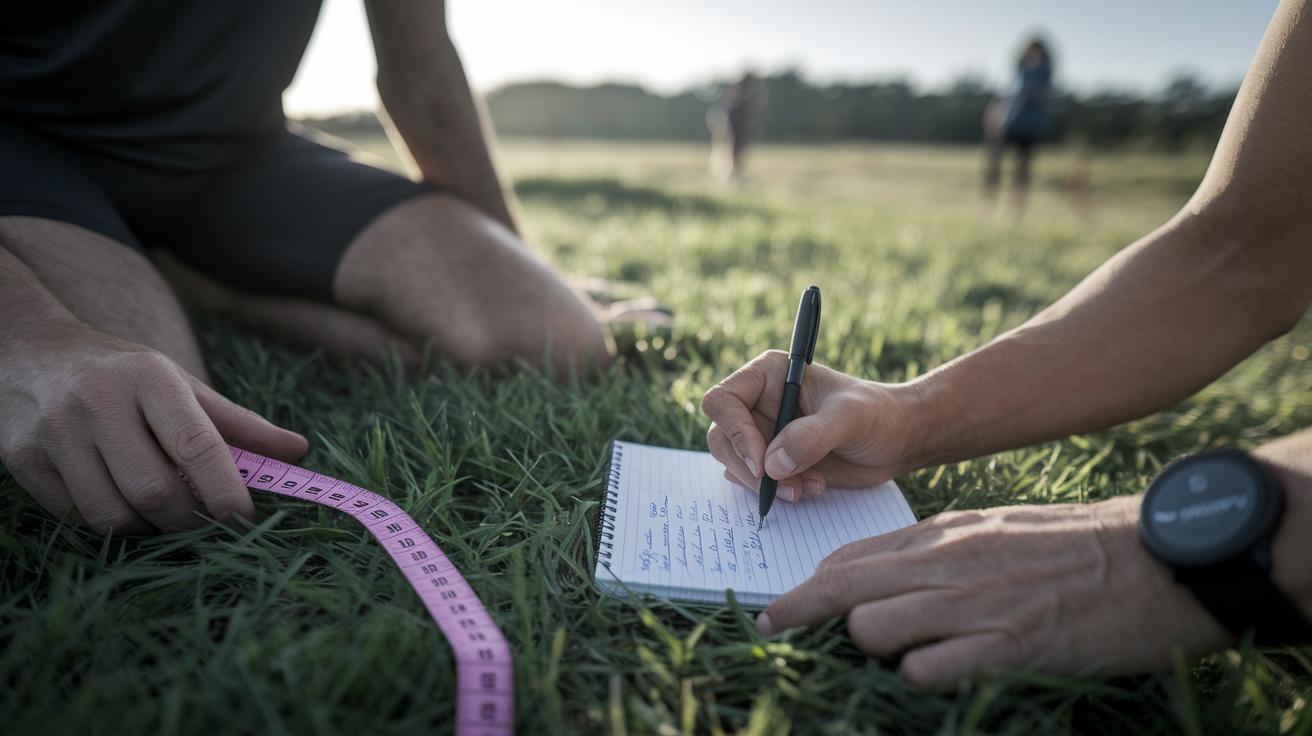
Make it a habit to jot down a few simple numbers every day. This quick record helps you see how well your body is recovering. Track things like heart-rate variability (a look at how your heart beats between beats) and your resting heart rate to know if you're ready to train.
Before you start each session, give your muscle soreness a score from 1 to 10. That number is your guide. Also, note down your sleep quality, aim for 7 to 9 hours a night, and keep tabs on how much water you drink. This simple log helps you and your leader decide if you need an extra recovery day.
Try some quick checks in the field, like seeing how deep you can squat or how flexible your shoulders are. These tests show you if you're really recovering well. With these details in hand, you can mix hard training with lighter, active recovery sessions, keeping your routine balanced and effective.
Stay sharp and log your data every day.
Final Words
In the action, soldier active recovery techniques keep your body primed for peak performance. We covered low-intensity exercises that boost blood flow, quick mobility drills to maintain joint health, and the importance of good sleep paired with balanced meals. We also looked at injury prevention practices and simple metric tracking to adjust your recovery plan. Each step is a vital part of building physical and mental endurance, helping you stay ready and confident on and off the field. Keep practicing these methods and believe in your progress.
FAQ
Where can I find free Army documents on active recovery and calisthenics workouts?
Free PDFs for Army active recovery and calisthenics workouts offer clear, practical guides. They detail low-intensity exercises, recovery drills, and movement protocols to help soldiers maintain peak performance.
What do Army preparation drill regulations and military exercise lists cover?
Army drill regulations and exercise lists set standard procedures for physical training. They outline essential movements and routines that build discipline, strength, and overall readiness in soldiers.
What are common workout and recovery guidelines like the 3 3 3, 4 8 12, 4 R’s, and 6 12 25 rules?
These rules break workouts into manageable segments and recovery steps. The 3 3 3 and 4 8 12 rules split exercise into phases, the 4 R’s highlight rest, refuel, rehydrate, and repair, and the 6 12 25 rule structures workout and recovery intervals.
How do Army remedial PT and endurance exercises support basic training preparation?
Army remedial PT and endurance exercises build muscle strength, flexibility, and stamina. They provide structured routines that help soldiers improve movement, allow proper recovery, and boost overall physical readiness.