
Ever wonder why some soldiers bounce back so quickly after tough drills? Recovery and mobility exercises work like a secret weapon on the field. They help your body move smoothly and keep your muscles flexible.
These simple exercises are your way to stay loose and strong. They ready your joints for the next challenge, so you can tackle any mission head-on. In the next sections, we’ll walk through easy routines that cut fatigue and boost performance, helping you stay mission-ready every day.
Evidence-Based Soldier Recovery and Mobility Exercises Overview
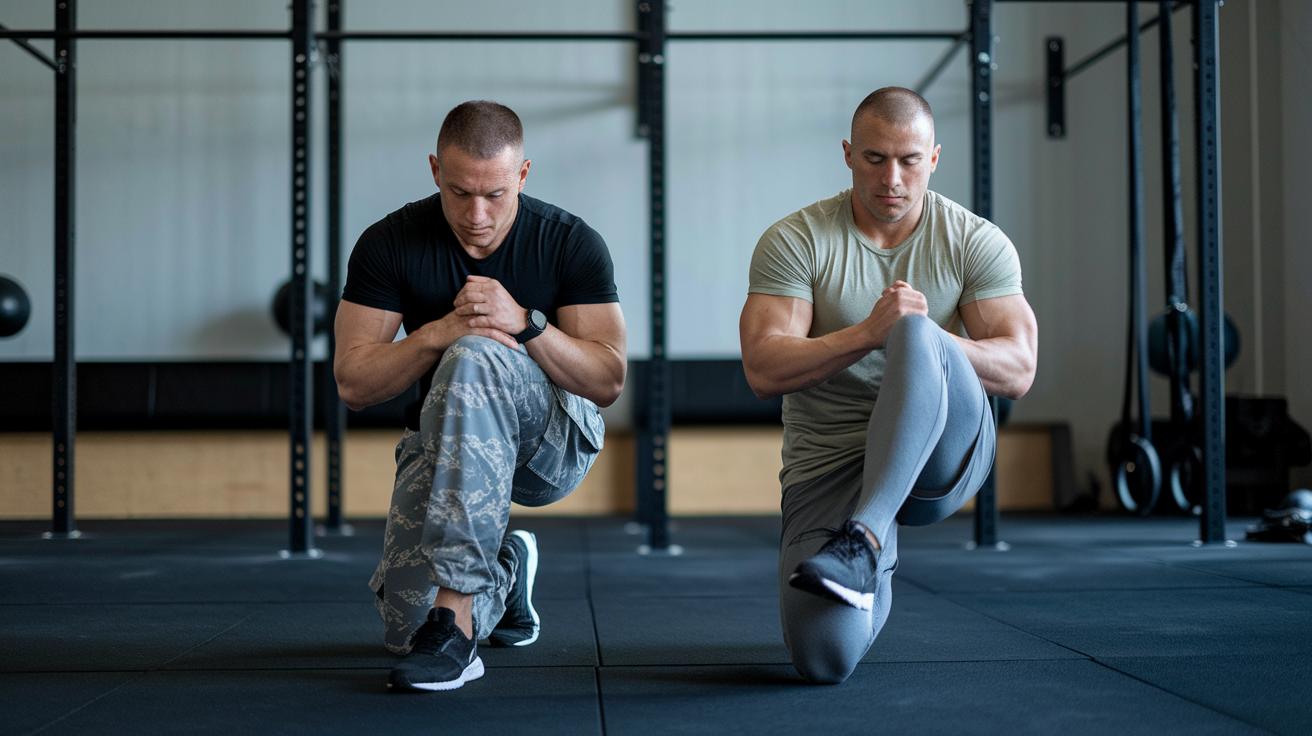
A well-known movement and mobility coach has developed smart techniques to help soldiers recover and move better. These routines are built for military roles like Special Ops and law enforcement, focusing on practical drills that get you mission-ready. One standout example is the Mobility Day walk-through video with Stew Smith from Aug 05, 2021. In that video, you'll see a 10-minute full-body routine that starts with a breathing drill and a lower-body spin-up to balance both sides and prepare you for physical challenges.
Mixing these exercises into your daily routine boosts your body's natural recovery. They increase blood flow, ease muscle stiffness, and get you ready for high-demand situations. Soldiers can use these simple drills every day to help avoid injuries and sharpen overall performance. Whether you need extra flexibility before a mission or quick recovery after tough training, this approach gives you clear steps to stay at peak performance during demanding cycles.
- Dynamic warm-ups to get your muscles fired up
- Static holds to improve your flexibility
- Mobility drills that work on joint movement and balance
- Recovery protocols to ease fatigue and soreness
Putting these parts together creates a complete, everyday regimen. Dynamic warm-ups fire up your muscles, static holds boost your range of motion, and mobility drills keep your joints active. Recovery protocols help cut down on fatigue so you can face any mission with confidence.
Dynamic Warm-Up and Stretch and Restore Sequence for Soldier Mobility

Dynamic warm-ups get your muscles moving and your blood pumping fast. They raise your heart rate, boost your natural flexibility, and get your joints ready so you can move without a hitch. Static stretches, on the other hand, help you cool down and recover by easing muscle tightness after a tough workout. This full-body routine, approved by the Army, makes sure many muscle groups are fired up before you tackle hard work.
- Bend & Reach: Slowly lean sideways to activate your core with smooth, controlled motion.
- Rear Lunge: Step back into a lunge while keeping your torso steady, working your glutes and hamstrings.
- High Jumper: Jump quickly upward while reaching your arms over your head to add a burst of power.
- Rower: Imitate a rowing motion by moving your arms back and forth and keeping your core tight.
- Squat Bender: Drop into a squat and lean forward a little to stretch your back and leg muscles.
- Windmill: Rotate your arms and torso slowly, feeling the stretch along your sides.
- Forward Lunge: Step forward with your feet roughly 6 inches apart to stay balanced and engage your quads.
- Prone Row: Lie on your stomach and lift your upper body as if pulling a row, targeting your back.
- Bent-Leg Body Twist: With your legs slightly bent, twist your torso to work your side muscles.
- Push-Up: Lower and raise your body with proper hand spacing to strengthen your chest and arms.
Adding this dynamic routine to your daily schedule helps stave off injuries while boosting overall mobility. By mixing active stretches with more calming static holds later, you build a balanced routine that keeps you mission-ready and performing at your best. For more details on the Army-approved warm-up, check out military warm-up and stretching exercises.
Field Conditioning Protocols and Tactical Fitness Retraining for Recovery

The Seasonal Tactical Fitness Periodization program is built to help you get back into top shape using smart, proven methods. The plan splits your training into weekly workouts that have been tested by Navy SEALs and tactical pros. It uses periodization principles (this means your workouts change over time to focus on strength or endurance), so you can expect a mix of different challenges. You might find yourself doing high-repetition calisthenics paired with runs that add up to 20 miles over a span of 12-18 weeks. Plus, there are weekly four-mile timed runs to get you ready for the intensity of BUD/S training. These organized drills are designed to build your endurance, muscle strength, and overall stamina, ensuring you stay prepared for high-intensity missions and field operations.
If you’re new or prefer to start on the lighter side, the Navy SEAL SWCC/EOD/Diver PST Phase 1 Workout gives you a beginner-friendly way to adjust to field conditioning. This alternative eases you into the routines at a pace that matches your current fitness level. And with personalized online coaching available, you can tweak the workouts based on your individual goals, the time you have each day, and the equipment you can access. This approach makes it simple for every soldier to build strength and endurance steadily, keeping you motivated and ready for any challenge on the field.
Recovery Techniques: In-Field Manual Therapy and Stress Relief for Soldiers

Recovery techniques in the field give you real, hands-on ways to ease pain and fight off battle fatigue. One smart method is to use a virtual mobility app that shows you personalized videos and stretching routines. This digital tool walks you through exercises that help protect you from injury while keeping your muscles and joints loose. Plus, it offers basic manual therapy tips so you can do foam rolling and trigger-point releases anywhere, whether on base or out in the field. These actions help release tight spots, easing muscle tension and helping you move more freely after a tough day.
- Foam Rolling: Slowly roll over sore or stiff muscles for 30-60 seconds each, using steady, firm pressure like you’re giving yourself a deep massage.
- Manual Trigger-Point Release: Press gently but firmly on a tight muscle spot with your fingers or a special tool for 20-30 seconds to ease the pain.
- Breathing-Based Relaxation Drills: Take deep breaths by inhaling for a count of four and exhaling for six, and keep this up for a few minutes to lower stress and help your body recover.
Using these recovery tools on the regular keeps your body ready for all the challenges of everyday operations. By adding manual therapy and stress relief techniques into your routine, you not only tackle immediate discomfort but also build lasting strength. It’s a simple, active plan that helps your muscles bounce back faster while giving your mind a calming break after high-intensity work.
Advanced Mobility Drills: Core Strengthening and Balance Training for Trooper Reconditioning

These drills are built to help you get your strength back and find your balance after an injury. They mix in a lot of high-repetition bodyweight exercises like planks and push-ups (think Navy SEAL training) to boost muscle endurance and coordination. It’s much like getting ready for a mission where every movement is measured and controlled.
Balance work is just as important. You’ll be doing exercises that focus on one leg and use uneven surfaces to strengthen your shoulder support and teach your hips to move correctly. With every rep, you not only build up the strength you need but also sharpen your body awareness (knowing where your body is) to keep you safe when the field gets unpredictable.
Single-Leg Rower Drill
Stand on one leg with your knee slightly bent. Lean forward as if you’re rowing, and feel your core, glutes, and hamstrings kick into action. Do 3 sets of 12 reps per leg and keep each movement slow and controlled to improve your balance and coordination.
Scapular Wall Slide
Stand with your back firmly against a wall. Bend your elbows to 90 degrees and slowly slide your arms upward, letting them stay in contact with the wall the whole time. This drill helps align your shoulders and builds strength around your back. Complete 3 sets of 10 reps, focusing on a smooth, steady pace.
Hip Hinge Mobilization
Stand with your feet about shoulder-width apart, keeping your knees just a little bent. Push your hips backward while keeping your back neutral to work on proper hip movement. Try 3 sets of 15 slow and controlled reps, concentrating on a smooth motion to ease any lower back strain.
Monitoring Progress: Soldier Functional Movement Screening and Performance Metrics

Functional movement screening is a hands-on drill to check if your body is mission-ready. It spots weak spots in six key areas using simple moves like a squat or an active straight-leg raise. Tracking your performance over time gives you a clear view of where you stand and which parts need extra work. This first check, explained in our military screening guide, sets the baseline for your mobility and stabilization drills.
Regular screenings are like routine maintenance for your body. They shine a light on any misalignment or movement gaps that could slow you down. When your scores improve, it's a solid sign that your targeted exercises are doing the job, helping you move better and avoid re-injury.
| Test | Focus Area | Scoring Criteria |
|---|---|---|
| Squat | Lower body strength and stability | Depth, alignment, balance |
| Hurdle Step | Hip stability and balance | Step height, symmetry |
| Shoulder Mobility | Upper body range | Reach distance, flexibility |
| Active Straight-Leg Raise | Hamstring and core flexibility | Leg lift height, control |
| Trunk Stability Push-Up | Core strength and trunk stability | Form, core engagement |
| Rotary Stability | Cross-body control | Stability and coordination |
These test scores help you carve out a plan for corrective exercises. With clear benchmarks from each drill, you can tweak your training to patch up weaknesses and steadily boost your overall performance.
Final Words
In the action, this article outlined evidence-based methods for boosting performance. We covered everything from warm-ups and stretch routines to field conditioning and targeted recovery techniques that aid proper healing.
Step-by-step guides and practical drills were shared to help maintain balance, rebuild strength, and track progress. With these soldier recovery and mobility exercises, you’re set to enhance readiness while staying resilient and confident, a solid foundation for overcoming any test circumstances.
FAQ
How can I download a soldier recovery and mobility exercises PDF?
The soldier recovery and mobility exercises PDF offers detailed routines and drills and is often available for free from military fitness resources to help soldiers improve operational readiness.
How can I view soldier recovery and mobility exercises on YouTube?
The soldier recovery and mobility exercises on YouTube provide visual guidance on proper recovery drills and techniques that support performance in the field.
What is the 3-3-3 rule for workout?
The 3-3-3 rule for workout means doing three sets of three exercises for three minutes each, offering a balanced approach that builds endurance and strength for improved physical performance.
What are the 8 recovery drills in the army?
The 8 recovery drills in the army refer to a series of exercises aimed at enhancing mobility and flexibility, reducing fatigue, and lowering injury risk, all of which boost a soldier’s recovery process.
Are mobility exercises good for recovery?
Mobility exercises are good for recovery because they improve joint movement, increase blood circulation, and reduce muscle stiffness, all of which help soldiers maintain their physical readiness.
What are the five exercises of CD1?
The five exercises of CD1 focus on core strength, flexibility, balance, range of motion, and muscle endurance, forming a key aspect of a soldier’s recovery and training regimen.