
Ever wonder why some soldiers always perform at their best? Back in 2006, the Defense Department started treating every soldier like a key asset by blending physical drills, mental exercises (activities to boost your thinking skills), and team-focused training. Today, we're breaking down a set of steps, from basic drills and strength routines to advanced workouts, that help sharpen your readiness. Think of it like your mission plan: simple steps that build resilience and boost your performance on the field. Ready to tackle any challenge with confidence?
Comprehensive Overview of Soldier Performance Optimization Techniques
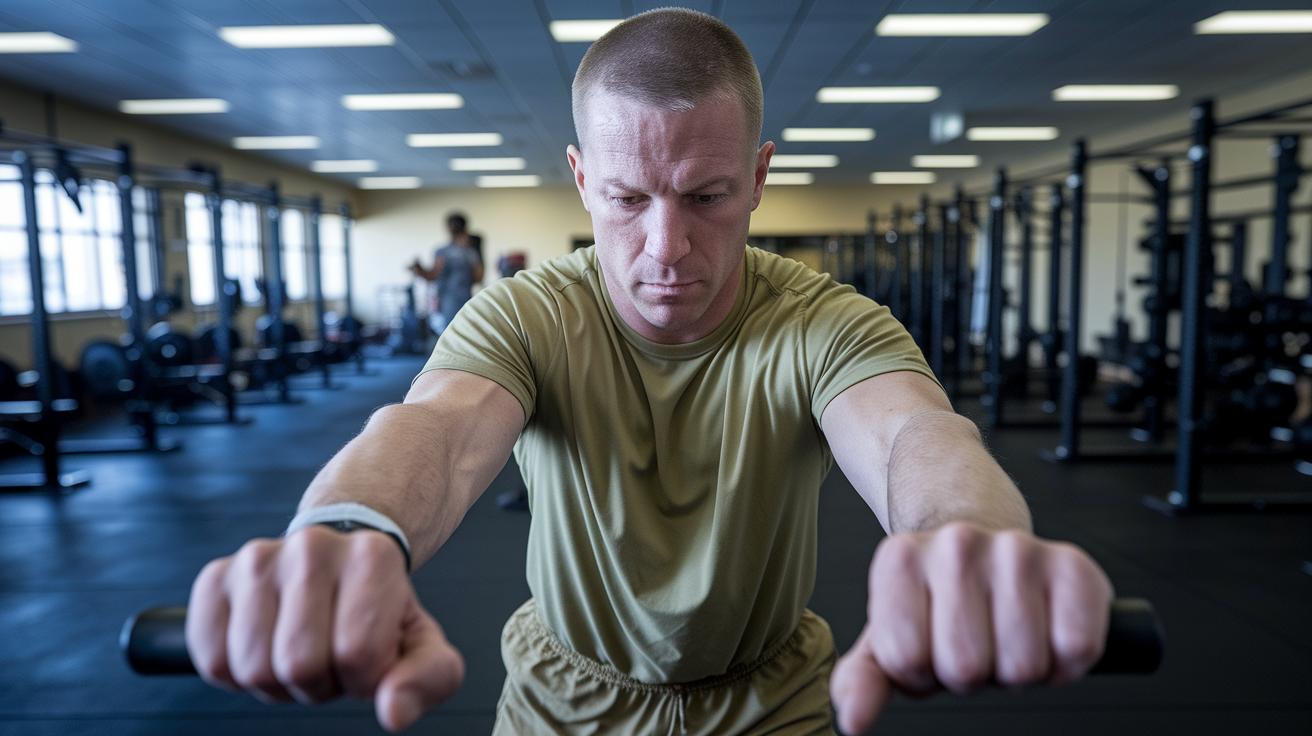
In 2006, the US Department of Defense introduced Human Performance Optimization (HPO) to view every soldier as a valuable human asset. This approach mixes physical, mental, and social factors to boost each unit's overall strength. It starts by focusing on individual skills and then builds up to wider training programs that help with recovery and prepare everyone for tough missions.
- Supplemental – This part is for soldiers coming back to duty or starting their recovery training. It’s designed to help you ease back into the routine.
- Base – Here you’ll work on basic exercises run by both non-commissioned and commissioned officers. These simple drills build strength and help with coordination.
- Advanced – This segment helps soldiers who are preparing for challenging courses like SFAS or Ranger School. It includes more complex lifts and conditioned workouts to sharpen your readiness.
The HPO plan uses what we call a biopsychosocial model (a way to think about physical, mental, and social strengths) to boost training methods and functional fitness that are key for today’s battlefield. Programs such as US Special Operations Command, Preservation of the Force and Family, and the Army’s Holistic Health and Fitness system show how this works. They set clear, personal goals and track progress carefully, matching tough physical exercises with strategies to build mental resilience. In short, this comprehensive setup gets every unit ready to perform at its best, ensuring that all team members can handle pressure and face any challenge on the field.
Physical Training Regimens in Soldier Performance Optimization

Building soldier readiness starts with solid physical training routines. These routines mix trusted methods that boost strength, speed, and agility while cutting down the risk of getting hurt. They help develop explosive power, good coordination, and safe, steady progress that meets the tough demands of field work.
Strength Building Routines
For those looking to build strength, many soldiers use workouts like Olympic weightlifting, power cleans, and snatches. These moves come with barbell routines that start with light weights before ramping up, a method known as progressive overload (gradually increasing weight or challenge). This approach helps build muscle safely and teaches correct form, so your body remembers the moves. You can check out this soldier strength and conditioning program for similar ideas that focus on steady progress and solid power training.
High-Intensity Interval Workouts
High-intensity interval workouts mix short, fast bursts of action with quick rests. These workouts follow set work-rest patterns that fire up your metabolism and boost heart health. The rapid bursts push you hard, and the rest lets you catch your breath. This mix builds endurance and prepares your body for the fast pace of combat.
Agility Development Exercises
Drills like ladder runs, cone patterns, and tactical footwork can sharpen a soldier’s ability to move quickly and smartly. By practicing quick turns and controlled steps, you improve balance and stability. These exercises help you stay alert and move fast during unpredictable field situations.
Overall, these training routines blend strong muscle work, quick, explosive intervals, and precise agility drills so soldiers can perform at their best in demanding combat scenarios.
Mental Resilience Training Techniques for Soldier Optimization
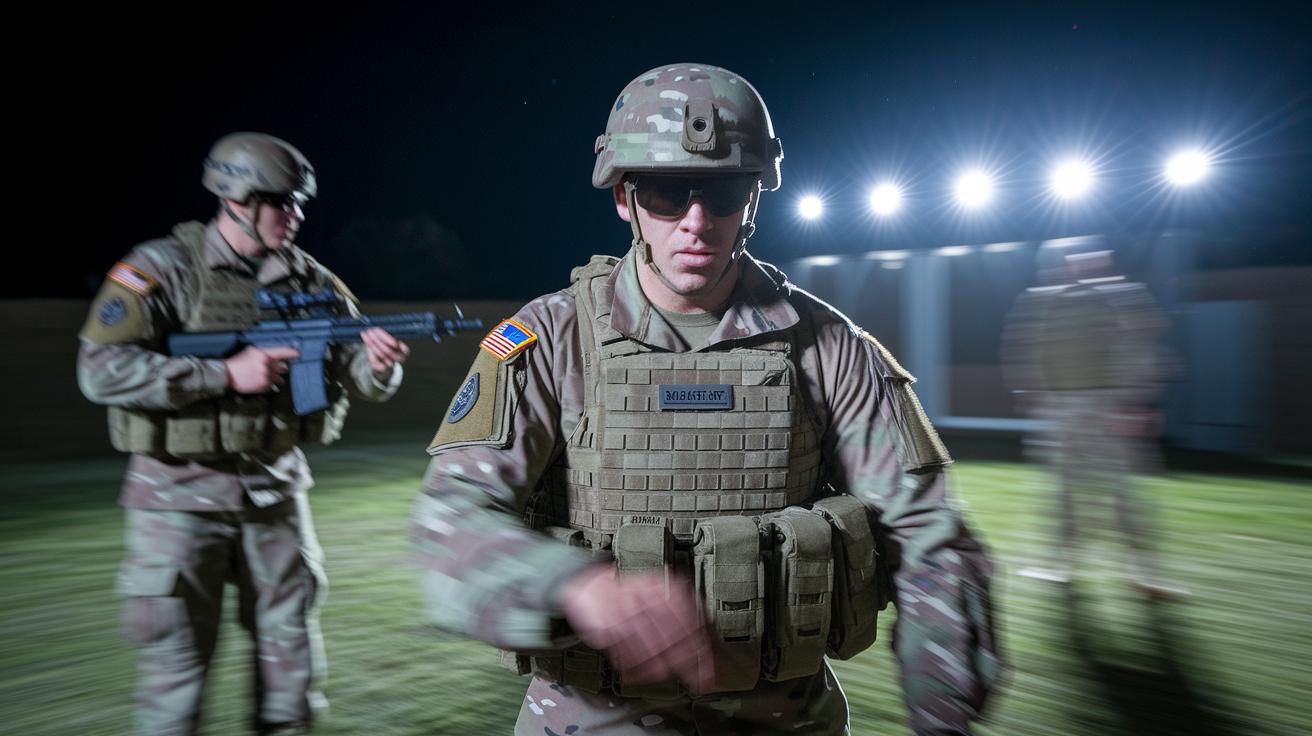
Being mentally tough is key to performing well on any mission. Techniques like stress training, mindfulness practices (simple exercises to clear your mind), and quick-thinking tests help build your inner strength and keep your focus sharp when things get tough.
During training drills, soldiers face scenarios designed to mimic real stress. Picture a session with loud sounds and flashing lights forcing you to make split-second decisions. These exercises build your capacity to deal with pressure and equip you for the unexpected during a mission.
Next, you work on focus and awareness through hands-on drills like quick-reaction games or simulated command situations. These activities not only speed up your thinking but also help you stay calm and in control during crucial moments. Your progress is checked continuously, so every session builds on the last.
In truth, mental resilience training turns stress into a tool instead of a setback. This approach gives you the clarity and strength needed when it really counts.
Tactical Conditioning Methods and Battle Preparedness in Soldier Optimization
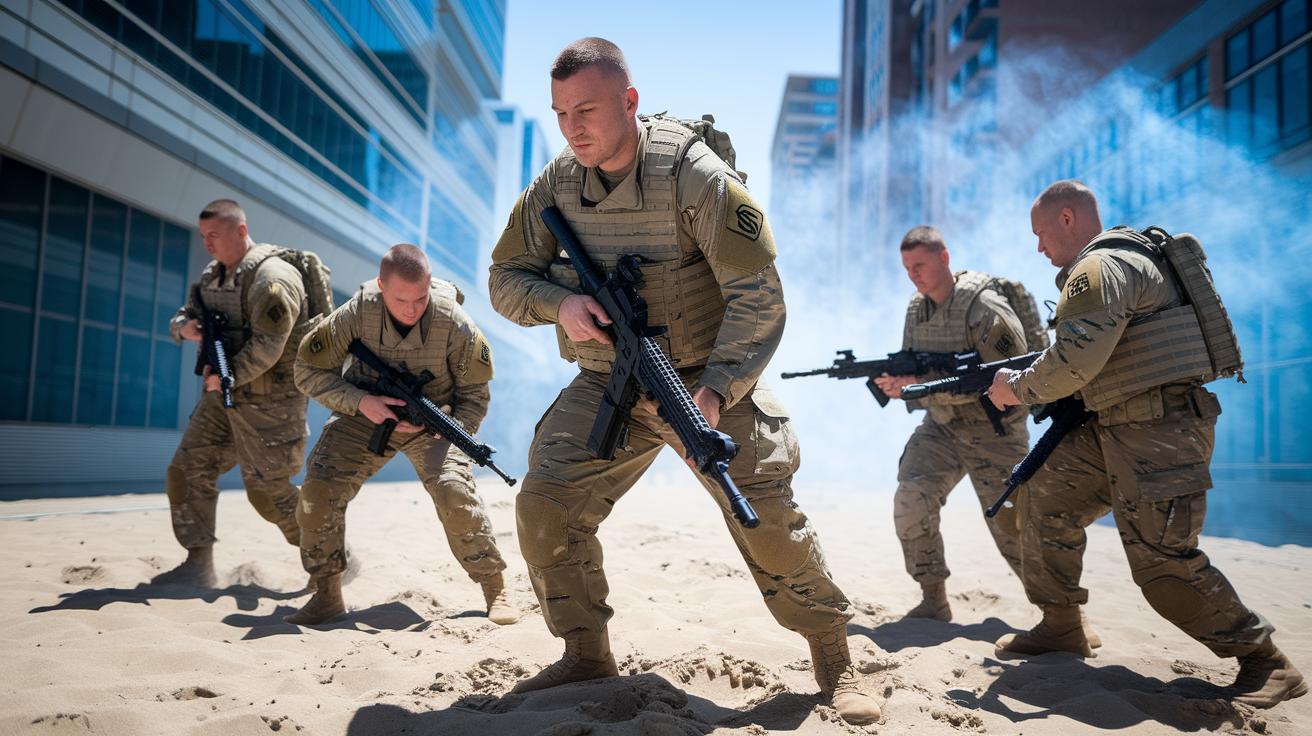
Modern soldier training now includes advanced conditional drills that mimic real battle scenes. These exercises put you in urban streets, dense jungles, or hot deserts, giving you a feel for what combat really looks like. They start with basic movements: running, dodging, and quick reactions in practice engagements.
Field simulations mix the pressure of a mission with tough decision-making. Picture yourself navigating obstacles under controlled conditions, with simulated threats that kick your adrenaline into gear. This style of training helps you adapt your tactics on the fly, blending physical drills with clear, purposeful movements that carry over to the field.
On-site readiness programs add another layer. Every day, soldiers rehearse missions and face realistic stress, building mental sharpness and strong endurance. It’s like running drills that train your mind and body together while also fostering trust among your team. When every soldier feels confident and prepared, the whole unit performs better under pressure.
In essence, these methods boost your situational awareness and quick response skills. They equip you with adaptive strategies and sharpen both your mental and physical abilities, turning everyday training into the foundation for battlefield success.
Nutrition and Recovery Strategies for Soldier Performance Optimization

Getting proper rest and good nutrition is the first step to staying mission-ready. We all know that a full night’s sleep and smart, on-field meals work hand in hand with your physical and mental sharpness. A steady sleep routine and a meal plan that fits field conditions can make a big difference in how quickly you bounce back after a tough day.
Having a solid routine means you can power through fatigue and regain your strength. Keeping to a set nap schedule, following basic sleep hygiene, and planning out your recovery time are all key steps to staying alert and agile for the next mission.
| Strategy | Application | Frequency |
|---|---|---|
| Sleep Protocols | Controlled napping & hygiene routines | Daily |
| Hydration Schedules | Structured water intake practices | Throughout the day |
| Meal Timing | Field-adapted nutrition plans | Mission-based |
| Supplement Guidelines | Omega-3, creatine, electrolytes | As needed |
Putting all these methods together creates a full-circle approach to recovery. By watching when you eat and drink and sticking to proven sleep routines, you can keep your energy levels high even on unpredictable missions. Regular check-ins on your recovery and using supplements wisely help cut down on fatigue, ensuring you're always primed for action.
Technology Integration and Data Monitoring in Soldier Performance Optimization
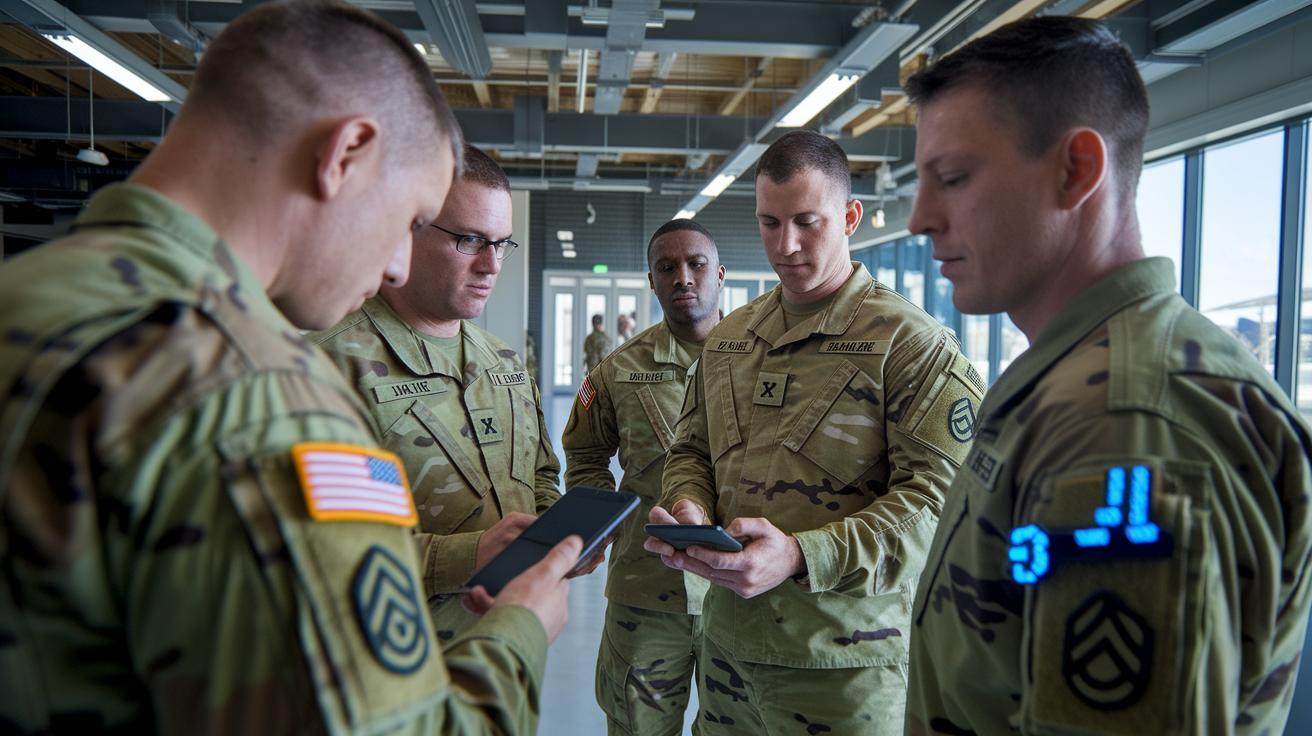
Modern systems use wearable gear (like small sensors on your body) to keep an eye on a soldier’s strength, thinking, and recovery all the time. Trainers get quick updates from these sensors and readiness dashboards, letting them adjust workouts as needed. Quick feedback helps ensure every drill hits the mark, while progress tools show improvements and biomechanical checks (assessments of body motion) highlight areas that need extra work.
Simulation feedback and safety checks work together to track progress accurately and help make training safer. These platforms mix physical, mental, and recovery data so that each soldier’s training can be fine-tuned to meet specific goals. With real-time data, trainers and researchers can quickly adjust drills, ensuring soldiers are always ready for the next challenge.
Final Words
In the action, this post broke down physical training regimens that boost strength and agility, mental resilience techniques that sharpen focus, and tactical conditioning methods that build combat readiness. We explored how nutrition and recovery play a key role and how tech integration gives real-time feedback.
All these soldier performance optimization techniques work together to create a well-rounded approach. Stay determined and keep training smart, each step brings you closer to peak readiness.
FAQ
What does human performance optimization mean?
Human performance optimization means treating each warfighter like a critical asset by using a mix of physical, mental, and social training methods—a strategy established by the DoD in 2006 to build readiness and capability.
How does human performance optimization work in the Air Force?
Human performance optimization in the Air Force works by combining advanced training and wellness protocols that boost readiness, focusing on techniques that bring overall physical and mental improvements in daily operations.
What is Army body fat exemption?
Army body fat exemption refers to a policy that offers soldiers an alternative assessment route when their body fat exceeds standard levels. It follows strict guidelines to maintain overall fitness without compromising readiness.
What are the Army Body Pod regulation requirements?
The Army Body Pod regulation requires using modern tools for body composition assessments. It sets clear standards to provide an objective measure of a soldier’s physical condition as part of the overall fitness program.
What does the Army height and weight ALARACT cover?
The Army height and weight ALARACT covers guidelines on body composition standards, outlining how soldiers should maintain proper physical fitness, which keeps individual readiness sharp and aligns with military expectations.
How does Army mental resilience training build toughness?
Army mental resilience training builds toughness by using stress exposures, cognitive drills, and mindfulness practices. These methods help soldiers cope with high-pressure situations and improve quick decision-making on the field.
What does Army Directive ABCP address?
Army Directive ABCP addresses regulations for physical and mental readiness. It lays out clear guidelines for training and performance standards, making sure soldiers meet the necessary criteria for overall operational fitness.
What are the five pillars of wellness in the Army?
The five pillars of wellness in the Army cover physical fitness, mental toughness, balanced nutrition, proper recovery, and effective stress management. Together, these pillars support a soldier’s full spectrum of readiness.
What are performance optimization techniques?
Performance optimization techniques include structured physical training, stress management drills, and tactical readiness practices. These methods work together to enhance overall soldier performance and operational capability on the field.
What are the six modernization priorities of the Army?
The six modernization priorities of the Army focus on updating equipment, refining training methods, bolstering soldier health, integrating digital systems, and improving overall combat capability for future operations.
What military tactics and techniques are commonly used?
Common military tactics and techniques involve movement strategies, coordinated combat drills, and decision-making exercises that stress situational awareness and quick responses, all aimed at improving effectiveness during operations.
What are the four priorities of the Army?
The four priorities of the Army focus on raising readiness levels, integrating advanced technologies, boosting soldier resilience, and improving overall operational performance to meet current defense challenges.